
Plant safety record
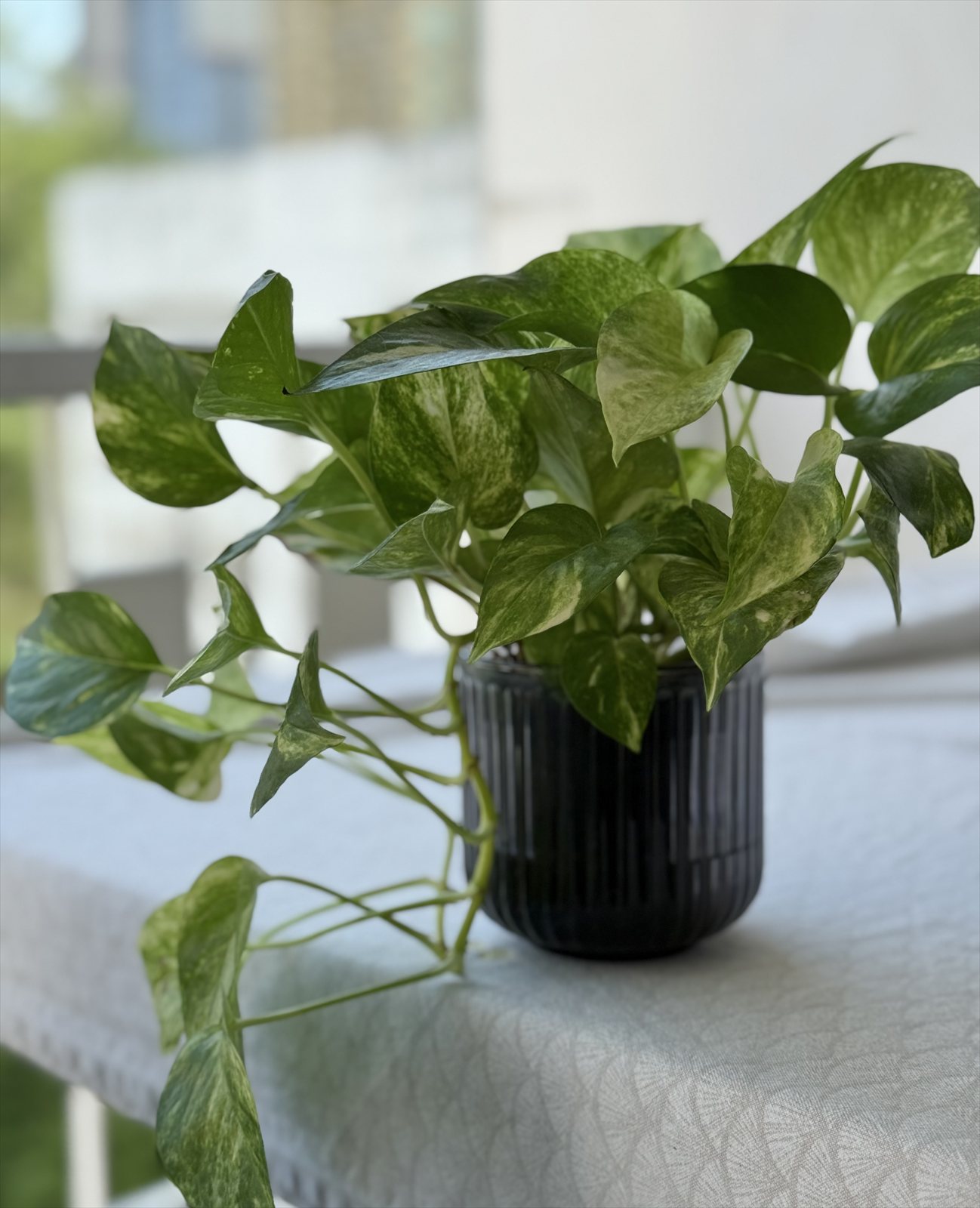
Golden Pothos
Epipremnum aureum
Golden pothos is toxic to cats and dogs because chewing releases insoluble calcium oxalate crystals. The usual problem is immediate burning and irritation in the mouth, with drooling, vomiting, and difficulty swallowing.
.jpg)
Cats
TOXIC
A cat may drool, paw at the mouth, vomit, or stop eating because the lips, tongue, and throat hurt after chewing pothos.
Dogs
TOXIC
A dog may develop mouth pain, swelling, drooling, vomiting, or difficulty swallowing after chewing pothos.
Quick answer
Take the plant away and remove loose leaf pieces that are easy to reach. If your pet is breathing normally and the irritation is mild, call your veterinarian for guidance and watch closely.
Trouble breathing, marked swelling, repeated vomiting, or an inability to swallow normally needs urgent veterinary attention.
Plant identity
Epipremnum aureum
What happens when pothos is chewed
Pothos contains microscopic insoluble calcium oxalate crystals. Biting the plant releases those crystals into the lips, tongue, mouth, and throat.
The pain often starts quickly. That immediate discomfort may limit how much a pet keeps chewing, but even a short bite can produce obvious drooling or pawing at the face.
Signs to watch for
Common signs include drooling, lip smacking, pawing at the mouth, gagging, vomiting, and reluctance to eat or drink.
Call promptly for worsening swelling, persistent vomiting, unusual breathing sounds, marked distress, or difficulty swallowing.
What to do right now
Move the plant out of reach and collect any fallen pieces. Do not reach deep into the throat, make your pet vomit, or force food, milk, oil, or another home remedy.
Keep the plant label or take photos of the whole vine and leaves. Contact your veterinarian or an animal poison-control service if the amount is uncertain or symptoms are more than mild.
How to recognize golden pothos
Golden pothos is a trailing or climbing vine with glossy, heart-shaped leaves. The classic form has yellow or cream splashes, although some cultivars are nearly solid green or heavily white-variegated.
Young houseplant leaves are usually small and entire. Mature outdoor plants can look dramatically larger, so use the vine habit, leaf shape, and label together.
Common-name confusion
Pothos is also sold as devil’s ivy, ivy arum, or taro vine. It is not English ivy, and it is not the same plant as heartleaf philodendron.
Several other houseplants—including Monstera, Peace Lily, and Schefflera—can cause similar calcium-oxalate mouth irritation. The related records help compare them.
Preventing another bite
Trailing vines are easy for pets to pull down. Keep stems trimmed away from furniture, windowsills, and walking routes, and remove dropped leaves promptly.
For a pet that repeatedly chews foliage, a verified non-toxic replacement is safer than relying on a hanging basket that can still shed leaves.
Related plant records
Decision support
Looking for a pet-safer alternative?
These are editorially reviewed alternatives for the visual or growth role described below. Correct identification still matters, and plants listed as non-toxic are not intended for pets to eat.
- Hoya carnosa (Wax Plant)Hoya carnosa
Why consider it: a trailing or vining houseplant role.
Hoya carnosa (Wax Plant) is listed as non-toxic to cats and dogs by the cited source.
- Spider PlantChlorophytum comosum
Why consider it: a cascading foliage role.
Spider Plant is listed as non-toxic to cats and dogs by the cited source.
Safety conclusions link to each plant record’s cited source. Similarity is a reviewed, directional relationship—not an automatic visual match.
Evidence and sources
- ASPCA — Ivy Arum / Golden PothosEpipremnum aureum contains insoluble calcium oxalates and can cause oral irritation, drooling, vomiting, and difficulty swallowing.
- NC State Extension — Epipremnum aureumIdentification features include a trailing or climbing vine with glossy heart-shaped leaves, often variegated yellow.
Practical next steps
Plan around this plant
These guides help with household setup. They do not change this plant’s toxicity conclusion or replace veterinary advice.