Plant safety record
Spider Plant
Chlorophytum comosum
Spider plant is considered non-toxic to cats and dogs. A correctly identified Chlorophytum comosum is not expected to cause serious plant poisoning, although eating leaves or plantlets may still produce mild stomach upset.
.jpg)
Cats
NON-TOXIC
A correctly identified spider plant is not expected to poison a cat. Chewing leaves or plantlets may still cause mild vomiting or loose stool.
Dogs
NON-TOXIC
A correctly identified spider plant is not expected to poison a dog. Eating a large amount of fibrous foliage may upset the stomach.
Quick answer
For a small nibble from a correctly identified spider plant, remove the plant and watch your pet. Normal access to drinking water is appropriate.
Call your veterinarian if vomiting repeats, diarrhea is substantial, your pet seems weak, or the plant may be a toxic look-alike.
Plant identity
Chlorophytum comosum
What non-toxic means
ASPCA's plant database lists Chlorophytum comosum as non-toxic to cats and dogs. That means it is not expected to cause a characteristic toxic syndrome.
Any plant material can still irritate the stomach. Non-toxic does not mean a pet should be allowed to eat unlimited leaves or plantlets.
If your pet chewed it
Remove loose pieces and check that your pet is swallowing and breathing normally. Do not make your pet vomit or give a home remedy.
Observation is often enough when the pet remains comfortable. Persistent vomiting, diarrhea, choking concerns, or unusual behavior deserves a veterinary call.
How to recognize spider plant
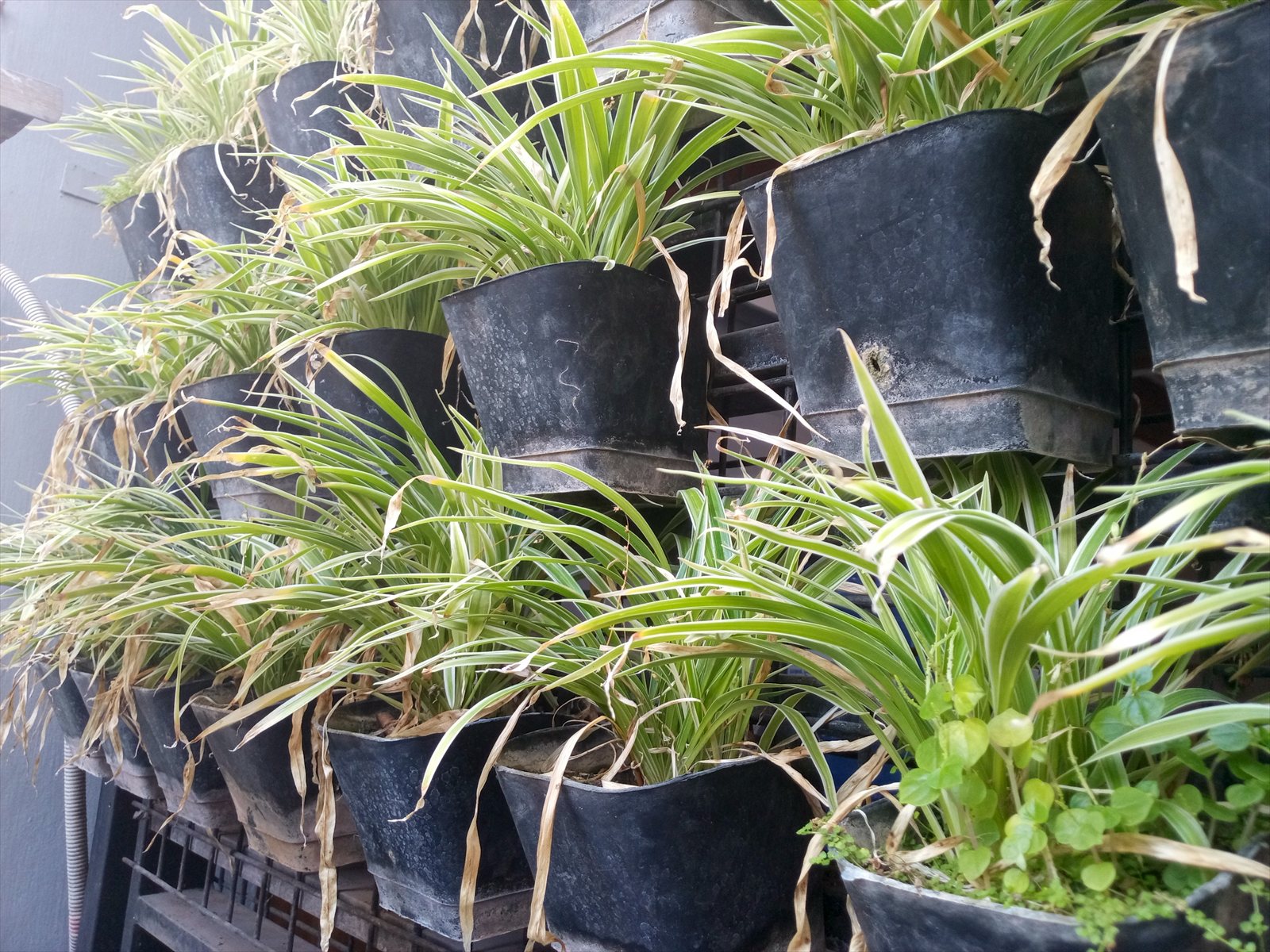
Spider plant forms a clump of long narrow strap-like leaves that arch outward from the base. Many cultivars have white or cream stripes.
Long arching stems may carry small white flowers and baby plantlets, giving the plant its spider-like appearance.
The name ribbon plant is shared
Chlorophytum comosum is also called ribbon plant, but that common name is used for some Dracaena species that are toxic to cats and dogs.
Use the scientific name, basal clumping habit, and hanging plantlets before applying the non-toxic conclusion.
Why cats may keep returning to it
The long moving leaves and hanging plantlets can be attractive toys for cats. Repeated chewing may cause stomach upset even though the plant is non-toxic.
Move the plant, trim accessible runners, and provide safer enrichment rather than allowing continual grazing.
Pot contents are separate exposures
Fertilizer, pesticide, decorative moss, mold, and swallowed potting material are not covered by the plant's non-toxic classification.
Save product labels or photograph the pot when the exposure may involve more than leaves or plantlets.
Keeping it pet-friendly
Hanging baskets can still drop plantlets and leaf pieces within reach. Keep runners trimmed away from furniture and feeding areas.
Use a secure hanger or stable pot so a pet cannot pull the entire plant down.
Evidence and sources
- ASPCA — Spider PlantChlorophytum comosum is listed as non-toxic to cats and dogs.
- NC State Extension — Chlorophytum comosumSpider plant is a clumping houseplant with long strap-like leaves and arching stems that produce plantlets.
- ASPCA — Toxic and Non-Toxic PlantsThe list is not all-inclusive; individual plants may differ in appearance; any plant material may cause vomiting or gastrointestinal upset.
- ASPCA — Ribbon Plant / DracaenaRibbon plant is also used for toxic Dracaena species, supporting the common-name warning on the Spider Plant page.
Practical next steps
Plan around this plant
These guides help with household setup. They do not change this plant’s toxicity conclusion or replace veterinary advice.
Record support
Optional shopping links
Plant Addicts shopping option
PawPlants plant identity and pet-safety conclusions remain based on the governed plant record. These merchant links are optional and do not change the classification.
PawPlants may earn a commission if you buy through these links. Recommendations do not affect plant-safety classifications.
PawPlants may earn a commission from qualifying purchases or transactions made through Plant Addicts affiliate links provided by Awin, at no additional cost to you.
Bonnie Spider Plant
Optional shopping destination for the named cultivar. The merchant listing does not determine the PawPlants safety classification.