
Plant safety record
Peace Lily
Spathiphyllum wallisii
Peace lilies are toxic to cats and dogs, but they do not cause the kidney failure linked to true lilies in cats. Chewing the plant releases tiny calcium oxalate crystals that can cause immediate burning and irritation in the mouth, drooling, vomiting, and trouble swallowing.
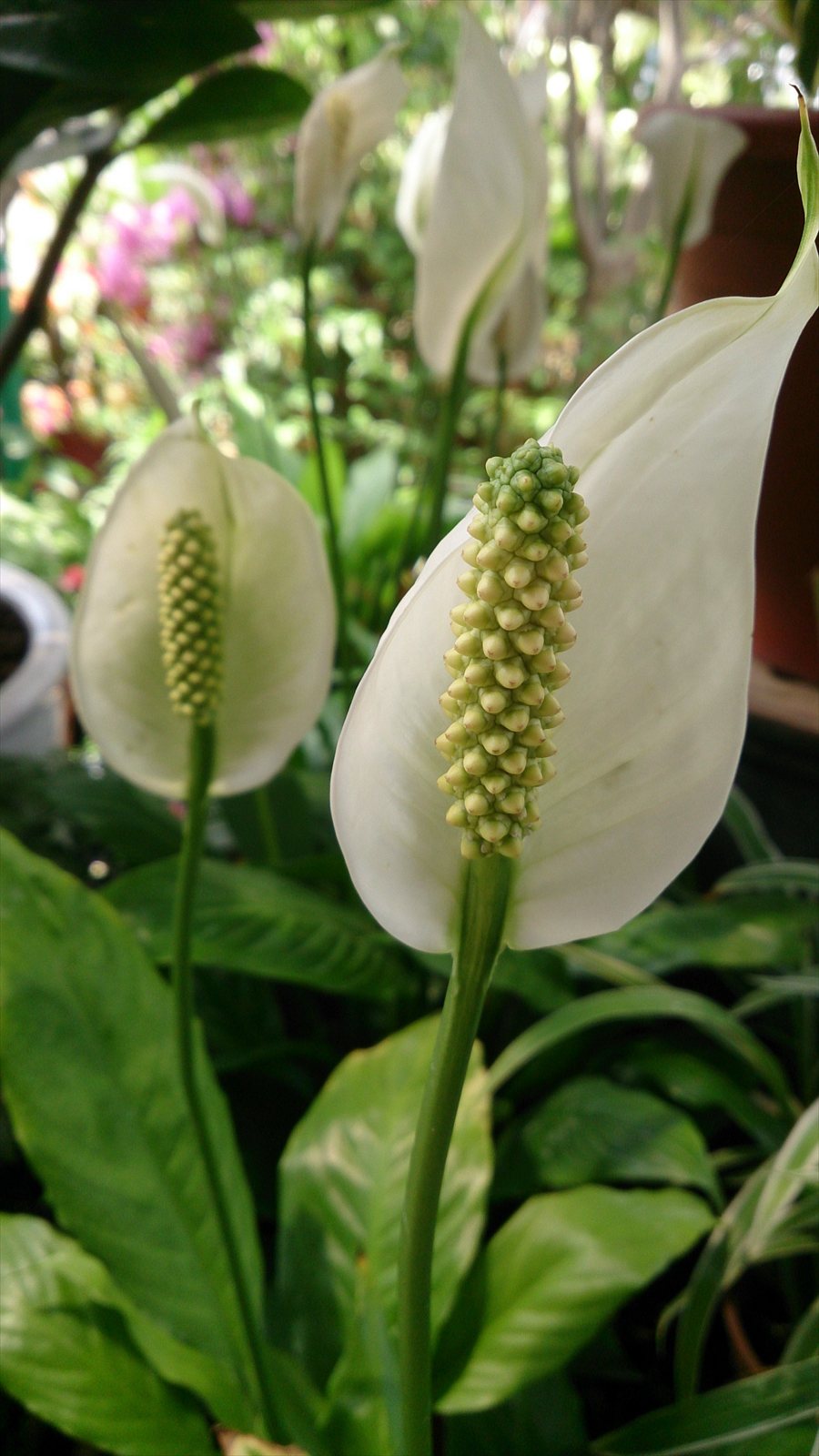
.jpg)
Cats
TOXIC
A cat that bites a peace lily may drool, paw at the mouth, vomit, or stop eating because the mouth and throat hurt. This is different from true-lily kidney poisoning.
Dogs
TOXIC
Dogs can develop the same painful mouth irritation, drooling, vomiting, and difficulty swallowing after chewing the plant.
Quick answer
If your pet took a small bite and is breathing normally, remove the plant and any loose pieces from easy reach, then call your veterinarian if the mouth pain, drooling, or vomiting is more than mild.
Trouble breathing, marked swelling, repeated vomiting, or an inability to swallow normally needs urgent veterinary attention. Do not assume every plant called a lily carries the same risk.
Plant identity
Spathiphyllum species
What happens when the plant is chewed
Peace lily leaves and stems contain microscopic insoluble calcium oxalate crystals. Chewing breaks plant cells and releases the crystals, which irritate the lips, tongue, mouth, and throat.
The discomfort often begins quickly. Many pets stop chewing because it hurts, but even a brief bite can cause noticeable drooling or pawing at the mouth.
Signs to watch for
Common signs include drooling, lip smacking, pawing at the face, mouth pain, gagging, vomiting, and reluctance to eat or drink. A pet may seem restless because swallowing is uncomfortable.
Severe swelling and breathing difficulty are uncommon, but they can happen. If your pet is struggling to breathe, making unusual breathing sounds, or cannot swallow normally, seek emergency care.
What to do right now
Take the plant away and gently remove any loose leaf pieces that are easy to reach. Do not reach deep into the throat, force food or water, or make your pet vomit.
Call your veterinarian or an animal poison-control service for advice, especially if you are unsure how much was chewed or your pet is showing symptoms. Keep the plant label or a clear photo nearby.
Not the same as a true lily
Peace lily belongs to the genus Spathiphyllum. It is not one of the true lilies in the genus Lilium and does not cause the same acute kidney failure in cats.
The shared common name causes a lot of confusion. If the plant could instead be an Easter lily, Asiatic lily, tiger lily, Oriental lily, or daylily, treat the exposure as an emergency and use the Lily identity guide to compare the main groups.
How to recognize a peace lily
Peace lilies usually grow as a clump of glossy, dark green leaves rising from the base. The leaves are broad and pointed with a noticeable center vein.
The flower has a pale central spike called a spadix, partly surrounded by a white or greenish hood-like spathe. That flower shape is very different from the open, trumpet-shaped flowers of true lilies.
An easy way to prevent another bite
Move the plant away from favorite windows, shelves, and walking routes, and pick up dropped leaves promptly. A higher shelf is not enough if a cat can climb to it or a dog can knock the pot down.
If your pet repeatedly chews plants, the simplest option may be to replace the peace lily with a verified non-toxic plant and keep an approved pet-safe chewing alternative available.
Evidence and sources
- ASPCA — Mauna Loa Peace LilySpathiphyllum is toxic to cats and dogs because of insoluble calcium oxalates; signs include oral irritation, swelling, drooling, vomiting, and difficulty swallowing.
- ASPCA — Which Lilies Are Toxic to Pets?Peace lilies differ from true lilies and generally cause oral pain, drooling, vomiting, or diarrhea rather than true-lily kidney failure.
- Pet Poison Helpline — Peace LilyChewing releases microscopic crystals; severe throat swelling and breathing difficulty are rare; peace lily does not cause kidney damage in cats.
- NC State Extension Plant Toolbox — Peace LilyIdentification features including glossy basal leaves and the white spathe surrounding a central spadix.
- ASPCA PEACE LILY
- ASPCA LILY DIFFERENTIATION