
Plant safety record
Sago Palm
Cycas revoluta
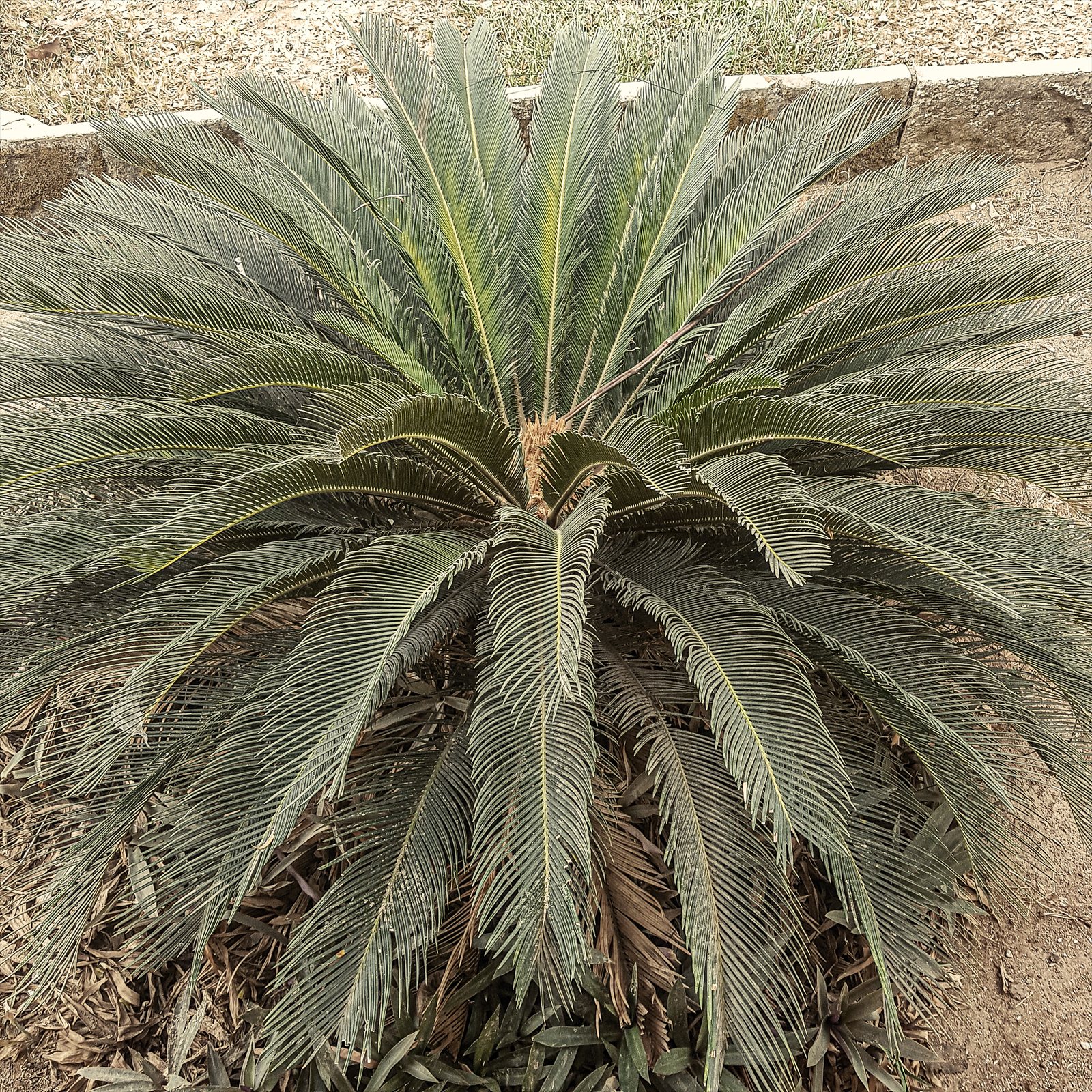
Sago palm is highly toxic to both cats and dogs. Every part of the plant is dangerous, and the seeds contain the highest concentration of toxin. If your pet may have chewed or swallowed any part, call a veterinarian or animal poison-control service immediately—even if your pet still looks normal.
.jpg)
Cats
TOXIC
Any suspected sago palm exposure should be treated as urgent. Cats may be less likely than dogs to chew the plant, but the risk of severe liver injury is still real.
Dogs
TOXIC
Dogs sometimes chew the fronds or pick up the seeds. Do not wait for vomiting or other signs before calling for veterinary help.
Quick answer
Sago palm poisoning can become life-threatening. If your pet may have bitten a frond, chewed the trunk, or swallowed a seed, make the call now rather than trying to judge whether the amount was large enough to matter.
Early treatment matters because a pet can look fairly normal while liver damage is beginning. A veterinarian or poison-control specialist can tell you what to do next based on the plant, timing, and your pet’s condition.
Plant identity
Cycas revoluta
Why a small exposure matters
The whole plant is toxic. The seeds are considered the most dangerous part because they contain a higher concentration of toxin, but leaves and other plant material are not safe.
Do not assume a small pet needs only a tiny bite while a large pet can safely eat more. The amount swallowed is often uncertain, individual reactions vary, and pieces may be missing before anyone notices.
Signs can start with stomach upset
Vomiting, diarrhea, poor appetite, or unusual tiredness may be the first things you see. Vomit or stool may contain blood. These early signs can look like an ordinary stomach problem, which is one reason the plant history matters.
As poisoning progresses, a pet may become weak, bruise easily, drink more than usual, or develop yellow coloring in the eyes, gums, or skin. Severe cases can involve clotting problems, liver failure, seizures, and death.
What to do right now
Call your veterinarian, an emergency veterinary hospital, or an animal poison-control service immediately. Say clearly that the plant may be a sago palm or another cycad.
Do not make your pet vomit and do not give food, milk, oil, charcoal, or another home remedy unless a veterinary professional specifically directs you to. If plant pieces are still in the mouth and are easy to remove safely, take them away without reaching deep into the throat.
What to bring or tell the veterinary team
Bring the plant label, a sample, or clear photos of the whole plant, leaves, trunk, and seeds if you can do so safely. Tell the team when the exposure may have happened and which parts could be missing.
Mention every sign you have noticed, even if it seems minor. If your pet vomited, note when it happened and whether plant material or blood was present. It is fine to say that you do not know the amount.
Make sure it is really a sago palm
Despite the name, sago palm is not a true palm. It is a cycad with a low, thick trunk and a stiff crown of glossy, feather-like fronds. Mature plants may produce orange or reddish seeds.
Related cycads may be sold under names such as cardboard palm, coontie palm, or fern palm and can carry similar risks. If the identification is uncertain, treat the exposure as urgent while a professional helps identify the plant.
The safest place for this plant
A shelf or fenced corner is not a reliable answer for a plant this dangerous. Fronds can drop, seeds can roll, and pets can reach places that seemed secure yesterday.
For a home or yard used by cats or dogs, the safest choice is to remove sago palms and related cycads completely. Check outdoor landscaping as well as indoor pots, especially after moving into a new home or visiting somewhere unfamiliar.
Related plant records
Evidence and sources
- ASPCA — Sago PalmToxic to cats and dogs; Cycas revoluta and Zamia species; cycasin; vomiting, bleeding, jaundice, thirst, clotting problems, liver failure, death.
- ASPCA — The Dangers of the Sago PalmAll plant parts are toxic, seeds are especially dangerous, and immediate veterinary contact is advised.
- FDA — Potentially Dangerous Items for Your PetSago palm is a potentially dangerous plant and suspected ingestion calls for prompt veterinary or poison-control contact.
- UC Davis School of Veterinary Medicine — When Plants and Animals Don’t MixLeaves and seeds can cause vomiting, bloody stool, stomach-lining damage, severe liver failure, and death.
- ASPCA SAGO PALM