
Plant safety record
Parlor Palm
Chamaedorea elegans
Parlor palm is considered non-toxic to cats and dogs. That conclusion applies to Chamaedorea elegans, a true palm with slender stems and fine feathery fronds. Correct identification matters because unrelated plants using the word palm can have very different risks.

Cats
NON-TOXIC
A correctly identified parlor palm is not expected to poison a cat. Chewing fibrous fronds may still cause mild vomiting or loose stool.
Dogs
NON-TOXIC
A correctly identified parlor palm is not expected to poison a dog. Watch for stomach upset after a large chewing episode.
Quick answer
For a small nibble from a correctly identified parlor palm, remove the plant and watch your pet. Normal access to water is appropriate.
Call your veterinarian if vomiting repeats, diarrhea is substantial, your pet seems weak, or the plant may be a sago palm or another unrelated plant.
Plant identity
Chamaedorea elegans
What non-toxic means
Non-toxic means Chamaedorea elegans is not expected to cause a characteristic plant-poisoning syndrome in cats or dogs.
It does not make the fronds food. Any fibrous plant material may still cause mild gastrointestinal upset.
If your pet chewed a frond
Remove loose pieces and check that your pet is swallowing and breathing normally. Do not make your pet vomit or give a home remedy.
Observation is often enough when the pet remains comfortable. Persistent vomiting, diarrhea, choking concerns, or unusual behavior deserves a veterinary call.
How to recognize parlor palm
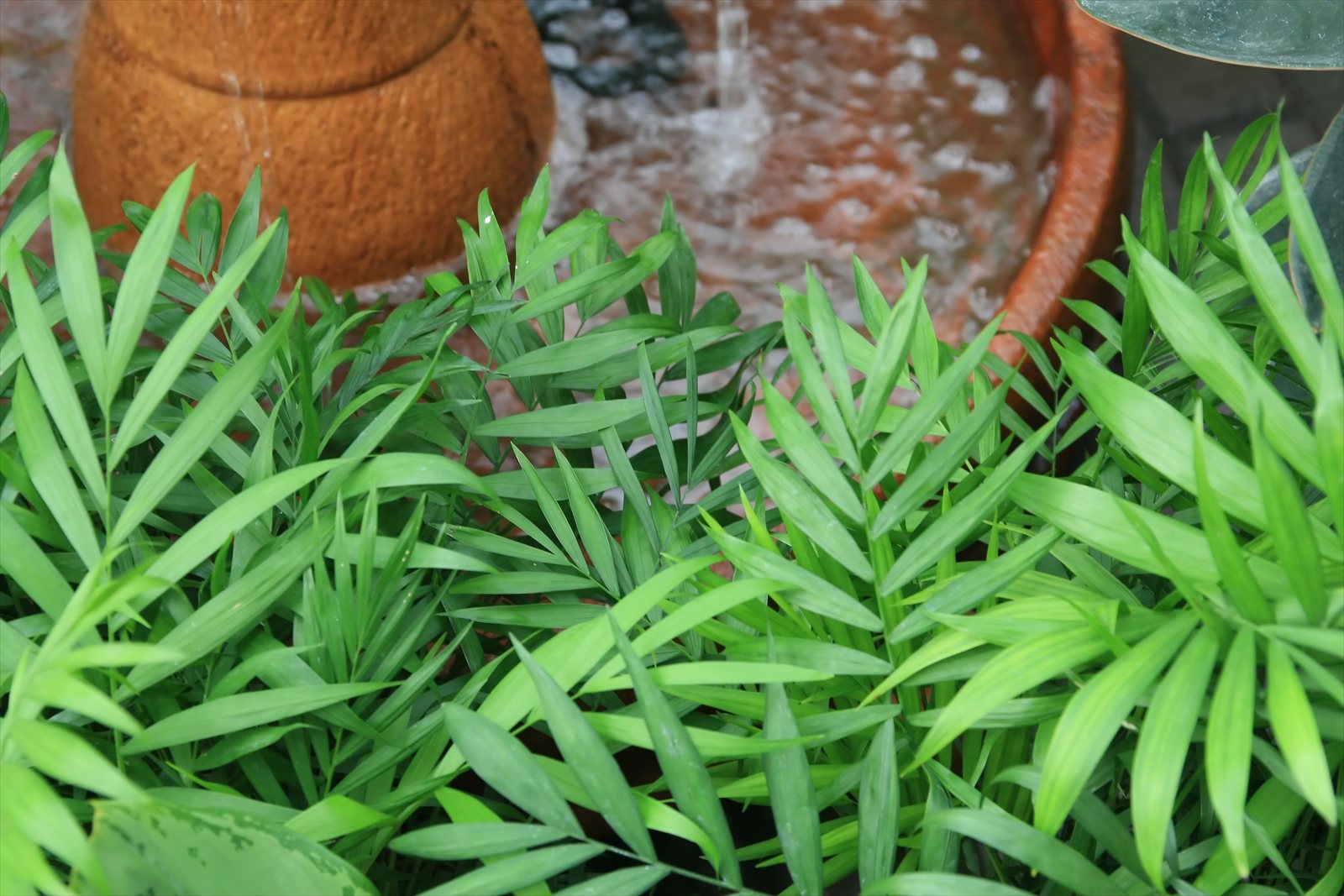
Parlor palm has thin upright green stems and arching pinnate fronds. Each frond carries multiple narrow, linear leaflets arranged along a central stalk.
Several individual plants are often placed in one pot to create a fuller appearance, so a mature houseplant may look multi-stemmed.
Palm names can be misleading
Parlor palm and Areca Palm are non-toxic true palms. Sago Palm is a cycad rather than a true palm and is an emergency-level toxic plant.
The word palm on a tag is not enough. Use the scientific name and leaf structure before applying a safety conclusion.
Fruit and pot contents
Indoor parlor palms rarely fruit, but NC State notes that fruit pulp can irritate the skin of sensitive people. Keep unfamiliar fruit away from pets.
Fertilizer, pesticide, decorative moss, and potting soil are separate exposures from the non-toxic foliage.
Keeping it pet-friendly
Move the pot if a cat repeatedly shreds the fronds or a dog can pull the plant over. Pick up broken leaflets before they are swallowed.
Use a stable outer pot and keep long fronds away from pet beds, feeding areas, and walking routes.
Related plant records
Evidence and sources
- ASPCA — Parlor PalmChamaedorea elegans is listed as non-toxic to cats and dogs.
- NC State Extension — Parlor PalmParlor palm has slender green stems and fine pinnate fronds with narrow leaflets; it is not hazardous for pets.
- ASPCA — Toxic and Non-Toxic PlantsThe plant list is not all-inclusive, and any plant material may cause vomiting or gastrointestinal upset.
Practical next steps
Plan around this plant
These guides help with household setup. They do not change this plant’s toxicity conclusion or replace veterinary advice.
Record support
Optional shopping links
Plant Addicts shopping option
PawPlants plant identity and pet-safety conclusions remain based on the governed plant record. These merchant links are optional and do not change the classification.
PawPlants may earn a commission if you buy through these links. Recommendations do not affect plant-safety classifications.
PawPlants may earn a commission from qualifying purchases or transactions made through Plant Addicts affiliate links provided by Awin, at no additional cost to you.
Parlor Palm
Optional shopping destination for the governed plant identity. The merchant listing does not determine the PawPlants safety classification.