
Plant safety record
Daffodil
Narcissus spp.
Daffodils are toxic to cats and dogs. All parts contain alkaloid toxins, but the bulb has the highest concentration. Vomiting, drooling, and diarrhea are common concerns; larger exposures can affect blood pressure, the nervous system, or heart rhythm.

Cats
TOXIC
Cats may develop drooling, vomiting, diarrhea, abdominal discomfort, weakness, or tremors. Bulb exposure deserves prompt veterinary contact.
Dogs
TOXIC
Dogs may dig up and chew bulbs, which can cause severe vomiting and more serious systemic signs. Contact a veterinarian after a known ingestion.
Quick answer
If your cat or dog ate any part of a daffodil, remove access and call your veterinarian. Treat a chewed bulb, planted bulb, or bulb from a forcing kit as a higher-concern exposure.
Do not make your pet vomit or give food, milk, oil, charcoal, or another home remedy unless a veterinary professional specifically directs you.
Plant identity
Narcissus species
Why the bulb matters
The bulb contains the highest concentration of daffodil toxins. Dogs may dig bulbs from the garden, and either pet may reach loose bulbs waiting to be planted.
Severe vomiting can lead to dehydration, weakness, and shock. A bulb exposure deserves a call even when the pet still appears normal.
Signs and severity
Drooling, vomiting, diarrhea, retching, and abdominal pain may begin after ingestion. A pet may also become weak or unusually quiet.
Large ingestions can cause low blood pressure, tremors, convulsions, or abnormal heart rhythm. Collapse, seizures, breathing difficulty, or profound weakness requires emergency care.
What to tell the veterinary team
Use the names daffodil or Narcissus and explain whether the exposure involved a flower, leaf, stem, bulb, bulb skin, or unknown part.
Report when it happened, how much may be missing, and every symptom observed. Bring the package or a photograph if the plant came from a bulb kit or bouquet.
How to recognize daffodils
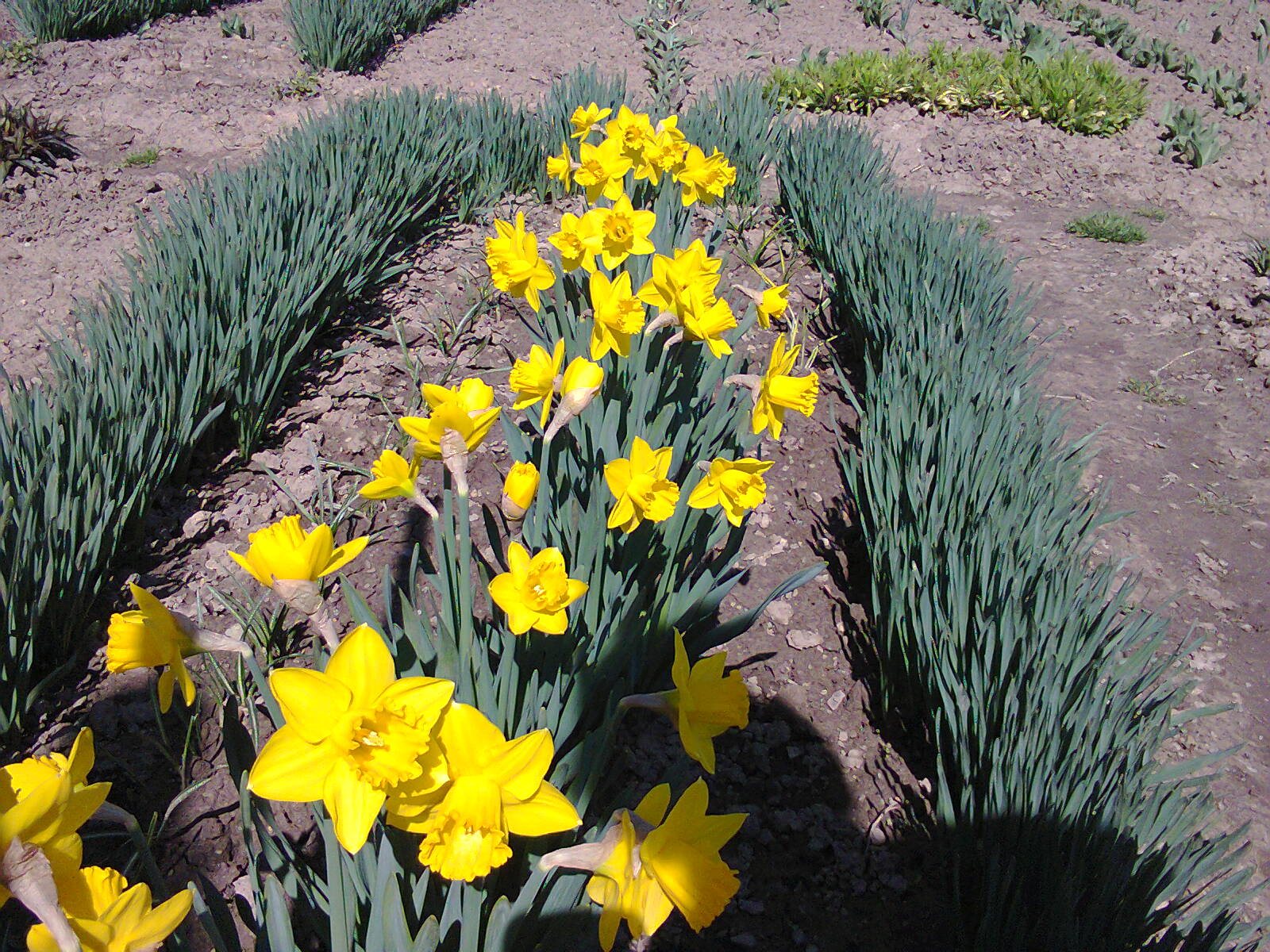
Daffodils grow from bulbs and produce flat or narrow strap-like leaves. Each flower has six outer petal-like segments surrounding a projecting cup or trumpet called the corona.
Flowers are often yellow or white, but color and shape vary by cultivar. Paperwhite and jonquil are Narcissus names that carry the same general concern.
Cut flowers still matter
A cut daffodil no longer has its bulb attached, but the flower and stem are still toxic. Keep bouquets, dropped petals, and trimmed stem ends away from pets.
Bouquet water may contain plant material or other floral products. Prevent pets from drinking it and save the florist label.
Garden and storage safety
Store unplanted bulbs in a closed container. When planting, keep pets away from the work area and account for every bulb.
Bag discarded bulbs and trimmings before placing them in a trash container that pets can access.
Related plant records
Decision support
Looking for a pet-safer alternative?
These are editorially reviewed alternatives for the visual or growth role described below. Correct identification still matters, and plants listed as non-toxic are not intended for pets to eat.
- OrchidPhalaenopsis sp.
Why consider it: an indoor flowering-plant focus.
Orchid is listed as non-toxic to cats and dogs by the cited source.
Safety conclusions link to each plant record’s cited source. Similarity is a reviewed, directional relationship—not an automatic visual match.
Evidence and sources
- ASPCA — DaffodilNarcissus species are toxic to cats and dogs; signs include vomiting, drooling, and diarrhea, while large ingestions may cause tremors, low blood pressure, convulsions, or arrhythmias. Bulbs are most poisonous.
- Pet Poison Helpline — DaffodilsAll parts contain alkaloid toxins, with the highest concentration in bulbs; severe vomiting may lead to dehydration, weakness, or shock.
- NC State Extension — DaffodilsDaffodils are bulb plants with flat or reed-like leaves and flowers made of six outer segments surrounding a projecting corona.
Practical next steps
Plan around this plant
These guides help with household setup. They do not change this plant’s toxicity conclusion or replace veterinary advice.