
Plant safety record
Orchid
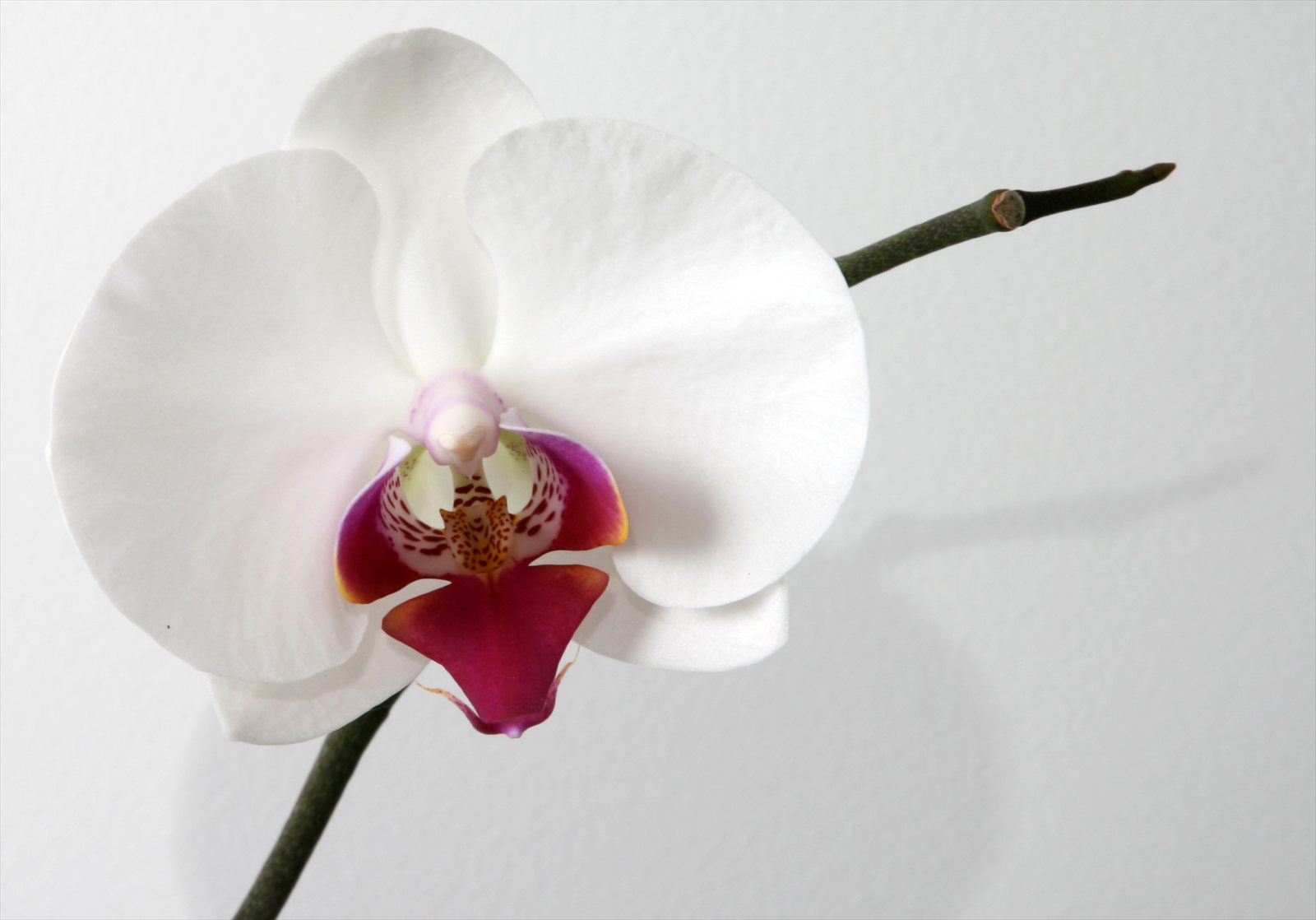
Phalaenopsis sp.
Common ornamental orchids, including Phalaenopsis moth orchids and several other orchid groups listed by ASPCA, are considered non-toxic to cats and dogs. Because Orchidaceae is a very large family, this page keeps the conclusion scoped to correctly identified ornamental orchids rather than claiming every species has been individually tested.

Cats
NON-TOXIC
A correctly identified common ornamental orchid is not expected to poison a cat. Chewing leaves, flowers, roots, bark, or moss may still cause mild stomach upset.
Dogs
NON-TOXIC
A correctly identified common ornamental orchid is not expected to poison a dog. Potting media, fertilizer, and decorative products are separate exposures.
Quick answer
For a small nibble from a correctly identified common ornamental orchid, remove the plant and watch your pet. Normal access to drinking water is appropriate.
Call your veterinarian if vomiting repeats, diarrhea is substantial, your pet seems unusually tired, or the plant may not actually be an orchid.
Plant identity
Orchidaceae — common ornamental orchid groups
What the evidence covers
ASPCA lists Phalaenopsis, Brazilian, Cattleya, Epidendrum, Oncidium, Masdevallia, and several other orchids as non-toxic to cats and dogs.
That supports a reassuring conclusion for many familiar ornamental orchids. It does not prove that every wild or uncommon orchid species has been individually evaluated.
If your pet chewed it
Remove loose plant pieces and check that your pet is swallowing and breathing normally. Do not make your pet vomit or give a home remedy.
Observation is often enough when the pet remains comfortable. Repeated vomiting, persistent diarrhea, choking concerns, or unusual behavior deserves a veterinary call.
Potting media and treatments matter
Orchids are often grown in bark, moss, coconut fiber, or specialized mixes. A swallowed bark chunk, moldy material, fertilizer pellet, pesticide, or decorative pick is a separate concern from the orchid itself.
Save the product label or photograph the pot contents when the exposure may involve more than leaves or flowers.
How to recognize a moth orchid
Phalaenopsis, the most common indoor orchid, usually has a short central crown with a few broad, thick leaves and arching flower spikes.
The flowers often resemble a moth or butterfly and may last for weeks. Commercial plants are commonly hybrids, so color and pattern vary widely.
Do not identify by the word orchid alone
Some unrelated plants use orchid in a common name, and some florist arrangements combine orchids with toxic foliage or flowers.
Use the whole plant, tag, leaves, stems, roots, and arrangement contents before applying the non-toxic conclusion.
Keeping orchids pet-friendly
Place the pot where pets cannot knock it down or chew exposed aerial roots. Pick up fallen flowers and broken stakes.
Keep fertilizer, leaf-shine products, pest-control products, and floral preservatives in closed storage.
Evidence and sources
- ASPCA — Phalaenopsis OrchidPhalaenopsis orchids are listed as non-toxic to cats and dogs.
- ASPCA — Brazilian OrchidSophronitis orchids are listed as non-toxic to cats and dogs.
- ASPCA — Toxic and Non-Toxic PlantsThe plant list is not all-inclusive, and any plant material may cause vomiting or gastrointestinal upset.
- NC State Extension — Phalaenopsis schillerianaMoth orchids have broad basal leaves, arching flower spikes, and large butterfly-like flowers; commercial orchids are often hybrids.
Practical next steps
Plan around this plant
These guides help with household setup. They do not change this plant’s toxicity conclusion or replace veterinary advice.