
Plant safety record
Amaryllis
Amaryllis spp.
Plants sold as amaryllis are toxic to cats and dogs. The label may refer to true Amaryllis or to Hippeastrum, the common holiday bulb. Both groups require caution, and the bulb is an especially important exposure to report.

Cats
TOXIC
Amaryllis-related plants can cause vomiting, drooling, diarrhea, abdominal pain, poor appetite, depression, and tremors in cats.
Dogs
TOXIC
Dogs may develop vomiting, drooling, diarrhea, abdominal pain, poor appetite, depression, or tremors. Large bulb exposures can be more serious.
Quick answer
If your pet chewed an amaryllis plant or bulb, remove access and call your veterinarian. Report whether the exposure involved a leaf, flower, stem, bulb, or unknown piece.
Do not make your pet vomit or give food, milk, oil, charcoal, or another home remedy unless a veterinary professional specifically directs you.
Plant identity
Amaryllis or Hippeastrum — confirm the label
Why the bulb matters
The bulb stores concentrated plant compounds and is commonly singled out as the most poisonous part of Hippeastrum. Pets may dig up bulbs or chew an unplanted holiday bulb.
A bite from a bulb deserves a prompt call even when a pet still appears normal. The amount missing may be difficult to judge from tooth marks alone.
Signs to watch for
Vomiting, drooling, diarrhea, abdominal pain, poor appetite, and unusual quietness may occur. Tremors can develop in more significant exposures.
Large Hippeastrum ingestions have been associated with low blood pressure, abnormal heart rhythm, and convulsions. Collapse, severe weakness, tremors, or seizures require emergency care.
What to tell the veterinary team
Give the label name if available and mention whether it says Amaryllis or Hippeastrum. Explain which plant part was accessible and when the exposure may have occurred.
Bring the label, package, or photographs. It is fine to say that the amount is unknown.
Why the name is confusing
Amaryllis and Hippeastrum are separate accepted botanical genera. Many large indoor holiday bulbs are Hippeastrum but are sold simply as amaryllis.
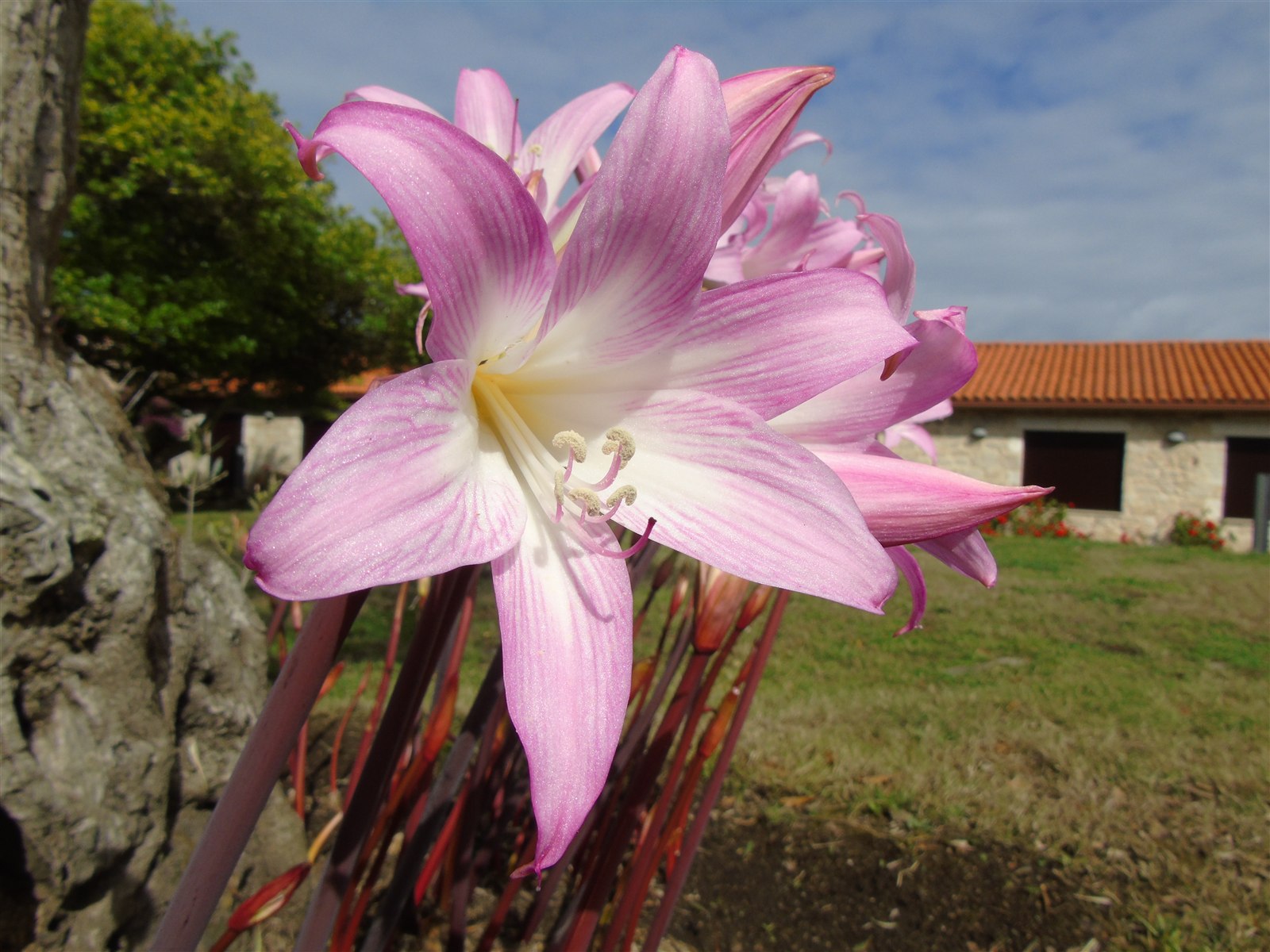
True Amaryllis includes belladonna lily. Hippeastrum may be called Dutch amaryllis, fire lily, or lily of the palace. The shared retail name is why this page keeps both identities visible.
How to recognize the common holiday plant
Hippeastrum usually grows from a large bulb and sends up a thick, hollow, leafless flower stalk. Several large trumpet-shaped flowers open at the top.
Long strap-shaped leaves may appear around flowering time. Those clues support identification, but the package or plant label is still preferable.
Why this page has no single photograph
One photograph cannot honestly represent both true Amaryllis and the Hippeastrum plants commonly sold under the same name.
The no-image state prevents a pet owner from ruling out an exposure merely because the plant does not match one selected photograph.
Safer storage and disposal
Store unplanted bulbs, potting kits, and discarded bulb scales where pets cannot reach them. Clean up fallen flowers and leaves promptly.
After the plant is finished, bag bulbs and plant waste before placing them in a pet-accessible trash container.
Related plant records
Evidence and sources
- ASPCA — AmaryllisAmaryllis species are toxic to cats and dogs; lycorine and other compounds may cause vomiting, depression, diarrhea, abdominal pain, drooling, poor appetite, and tremors.
- ASPCA — Lily of the PalaceHippeastrum species sold under amaryllis-related names are toxic; bulbs are most poisonous and large ingestions may cause low blood pressure, tremors, convulsions, or arrhythmias.
- NC State Extension — HippeastrumCommon holiday amaryllis plants often belong to Hippeastrum and have strap-shaped leaves, hollow flower stalks, and large trumpet-shaped flowers.
- Kew Plants of the World Online — AmaryllisAmaryllis is an accepted genus distinct from the accepted genus Hippeastrum.
- Kew Plants of the World Online — HippeastrumHippeastrum is an accepted genus distinct from Amaryllis.