
Plant safety record
Tulip
Tulipa spp.
Tulips are toxic to cats and dogs. All parts contain tulipalin compounds, but the bulb has the highest concentration. Vomiting, drooling, diarrhea, and depression or lethargy are the main concerns, and a swallowed bulb may also create an obstruction.
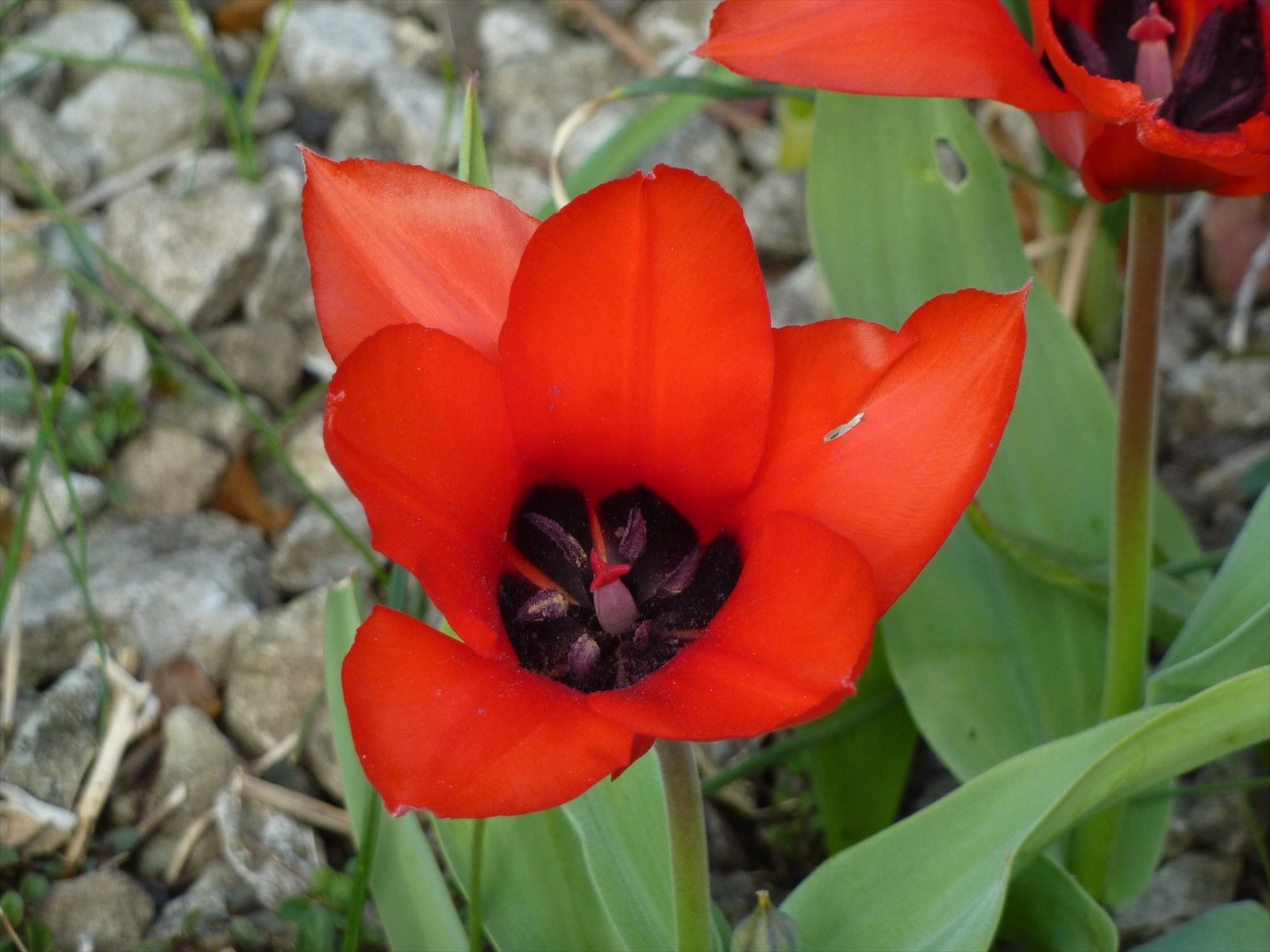
_flower.jpg)
Cats
TOXIC
Cats may develop drooling, vomiting, diarrhea, or depression after chewing tulip plant material. A bulb exposure deserves prompt veterinary contact.
Dogs
TOXIC
Dogs may dig up and chew tulip bulbs, which contain the highest toxin concentration and may also be difficult to digest.
Quick answer
If your cat or dog ate any part of a tulip, remove access and call your veterinarian. Treat a chewed or swallowed bulb as the highest-concern exposure.
Do not make your pet vomit or give food, milk, oil, charcoal, or another home remedy unless a veterinary professional specifically directs you.
Plant identity
Tulipa species
Why the bulb matters
Tulipalin toxins occur throughout the plant, but ASPCA identifies the bulb as the most concentrated part. Dogs may dig up garden bulbs, and either pet may reach loose bulbs waiting to be planted.
A bulb may also be difficult to digest and can create an obstruction. Report the size of the bulb and whether any large piece is missing.
Signs to watch for
Vomiting, diarrhea, excessive drooling, and depression or lethargy are the main listed signs. A pet may also lose interest in food or seem uncomfortable.
Repeated vomiting, substantial diarrhea, inability to keep water down, marked weakness, collapse, severe abdominal pain, or inability to pass stool requires prompt veterinary care.
What to tell the veterinary team
Use the names tulip or Tulipa and explain whether the exposure involved a flower, leaf, stem, bulb, bulb skin, or unknown part.
Report when it happened, how much may be missing, and every symptom observed. Bring the bulb package, bouquet label, or a photograph when available.
How to recognize tulips
Tulips grow from bulbs and produce broad strap-like leaves that clasp the upright stem. The usually solitary flower may be cup-shaped, bowl-shaped, or star-shaped.
Flowers have six petal-like tepals and occur in many colors and forms. Flower color alone cannot identify the plant or predict its risk.
Cut flowers still matter
Cut tulip flowers and stems no longer have the bulb attached, but they still contain tulipalin compounds and can cause gastrointestinal signs.
Keep bouquets, dropped petals, trimmed stem ends, and vase water away from pets. Preserve the florist label when possible.
Tulip is not tulip poplar
Tulip poplar or tulip tree is Liriodendron tulipifera, an unrelated tree listed separately as non-toxic by ASPCA.
This page applies to bulb-grown Tulipa plants. Use the scientific name and growth form rather than the word tulip alone.
Garden and storage safety
Store unplanted bulbs in a closed container. When planting or lifting bulbs, keep pets away from the work area and account for every bulb.
Bag discarded bulbs and trimmings before placing them in a trash container pets can access.
Related plant records
Evidence and sources
- ASPCA — TulipTulipa species are toxic to cats and dogs because of tulipalin A and B; signs include vomiting, depression, diarrhea, and hypersalivation, with the highest toxin concentration in the bulb.
- ASPCA — Keep These Spring Plants Away from PetsTulips can cause stomach problems, and a swallowed bulb may be harder to digest and create an obstruction.
- NC State Extension — TulipaTulips are bulbous perennials with strap-like leaves and usually solitary cup- or star-shaped flowers with six tepals; toxin concentration is highest in the bulb.