
Plant safety record
Snake Plant
Sansevieria trifasciata
Snake plant is toxic to cats and dogs because it contains saponins. The expected effects are usually gastrointestinal—nausea, vomiting, or diarrhea—although drooling and lethargy may also occur.

Cats
TOXIC
Cats may develop nausea, vomiting, diarrhea, drooling, or lethargy after chewing snake-plant leaves.
Dogs
TOXIC
Dogs may develop nausea, vomiting, diarrhea, drooling, or lethargy after eating snake-plant material.
Quick answer
If your pet chewed a snake plant, remove access and call your veterinarian if any noticeable amount may have been swallowed or symptoms begin.
Do not make your pet vomit or give food, milk, oil, charcoal, or another home remedy unless a veterinary professional specifically directs you.
Plant identity
Dracaena trifasciata (formerly Sansevieria trifasciata)
Signs to watch for
Nausea, vomiting, and diarrhea are the main listed signs. Drooling, reduced appetite, or lethargy may also occur.
Repeated vomiting, substantial diarrhea, inability to keep water down, marked weakness, collapse, or unusual behavior requires prompt veterinary care.
What causes the irritation
Snake plant contains saponins, compounds that can irritate the digestive tract. The expected pattern is different from the immediate mouth-burning caused by calcium-oxalate plants.
A pet can still appear uncomfortable or drool because of nausea. Share the plant identity rather than relying on one symptom.
What to do right now
Move the plant out of reach and collect any torn leaf pieces. Save the label or take photographs of the whole plant and damaged leaf.
Contact your veterinarian or an animal poison-control service when material was swallowed, the amount is uncertain, or symptoms have begun.
How to recognize snake plant
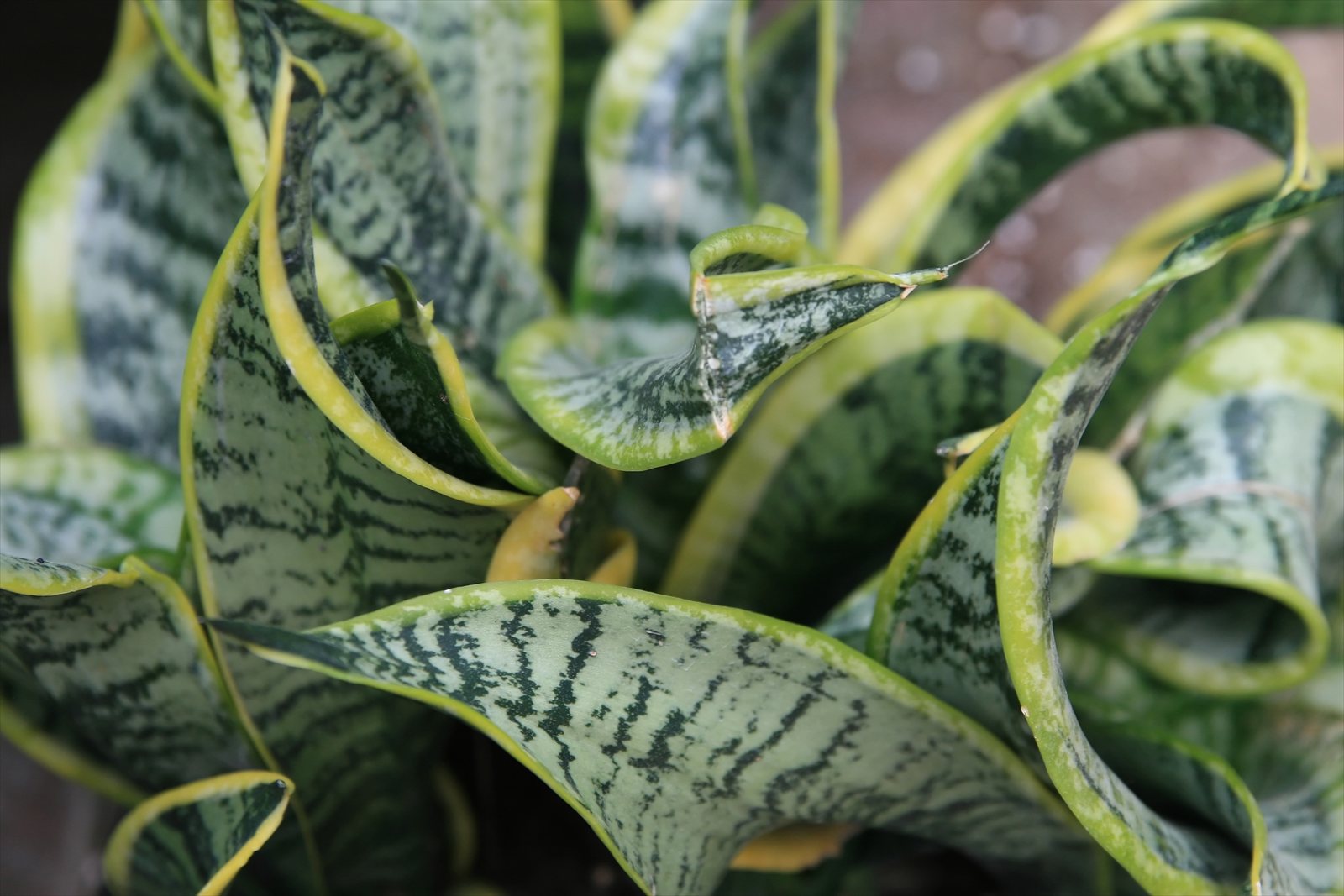
Snake plant grows in a clump of stiff, upright, sword-shaped leaves that emerge from the soil. Leaves are often green with horizontal banding and may have yellow margins.
Some cultivars are short rosettes rather than tall blades, and colors or patterns vary. The thick upright leaves and basal growth habit are useful clues.
Why the scientific name changed
Older labels and ASPCA records use Sansevieria trifasciata. Current botanical references commonly place the plant in Dracaena as Dracaena trifasciata.
Both names refer to the familiar snake plant. The naming change does not alter its pet-safety classification.
Common-name confusion
Snake plant may also be called mother-in-law's tongue, golden bird's nest, or good-luck plant. Mother-in-law is also used for unrelated plants in some databases.
Use the stiff sword-shaped leaves and scientific name before matching the exposure.
Preventing another exposure
Place the plant away from low tables, window ledges, and walking routes. Broken leaf tips can remain within reach even when the pot is elevated.
Pick up damaged pieces promptly and keep fertilizers or pest-control products separate from the plant exposure.
Decision support
Looking for a pet-safer alternative?
These are editorially reviewed alternatives for the visual or growth role described below. Correct identification still matters, and plants listed as non-toxic are not intended for pets to eat.
- Spider PlantChlorophytum comosum
Why consider it: a similarly upright, strap-leaved silhouette.
Spider Plant is listed as non-toxic to cats and dogs by the cited source.
Safety conclusions link to each plant record’s cited source. Similarity is a reviewed, directional relationship—not an automatic visual match.
Evidence and sources
- ASPCA — Snake PlantSansevieria trifasciata is toxic to cats and dogs because of saponins; signs include nausea, vomiting, and diarrhea.
- ASPCA — Are Succulents Safe to Have Around Pets?Snake plant may cause vomiting, diarrhea, drooling, and lethargy after ingestion.
- NC State Extension — Dracaena trifasciataSnake plant is now commonly classified as Dracaena trifasciata; older labels and references use Sansevieria trifasciata.
Practical next steps
Plan around this plant
These guides help with household setup. They do not change this plant’s toxicity conclusion or replace veterinary advice.