
Plant safety record
Poinsettia
Euphorbia pulcherrima
Poinsettia can irritate the mouth and stomach of cats and dogs, and its milky sap may irritate skin or eyes. It is not the highly lethal holiday plant it is sometimes rumored to be; ASPCA describes its toxicity as generally overrated.
.jpg)
Cats
TOXIC
Cats may drool, vomit, or show mild mouth irritation after chewing poinsettia. Sap on the coat can create another exposure during grooming.
Dogs
TOXIC
Dogs may develop mild mouth or stomach irritation and sometimes vomiting. Sap contact may irritate skin or eyes.
Quick answer
Take the plant away, collect loose pieces, and prevent your pet from licking sap from the coat or paws. Mild signs may be watched with veterinary guidance.
Call your veterinarian for repeated vomiting, persistent mouth pain, marked lethargy, eye exposure, or symptoms that are stronger than expected.
Plant identity
Euphorbia pulcherrima
Why the reputation is exaggerated
Poinsettia is listed as toxic because its sap irritates the mouth and stomach and may cause vomiting. ASPCA also states that the belief that poinsettias are highly toxic is mostly a myth.
That does not make the plant harmless. It means the expected effects are usually mild rather than the severe poisoning associated with plants such as sago palm or true lilies.
Signs to watch for
A pet may drool, lip-smack, vomit, or show mild mouth or stomach discomfort. Skin exposed to sap may become red or irritated.
Repeated vomiting, inability to keep water down, marked weakness, severe pain, or unusual behavior deserves prompt veterinary attention.
Sap on skin, fur, or eyes
Broken leaves and stems release milky latex sap. Prevent grooming and rinse visible sap from skin or fur with plain water.
Squinting, tearing, redness, rubbing at the eye, or known eye contact requires veterinary guidance. Do not apply human eye drops or skin creams unless directed.
What to do right now
Move the plant out of reach and save the label or take clear photographs. Do not make your pet vomit or give a home remedy unless a veterinary professional directs you.
Contact your veterinarian or an animal poison-control service when the amount is uncertain, symptoms persist, or another holiday plant may also have been involved.
How to recognize poinsettia
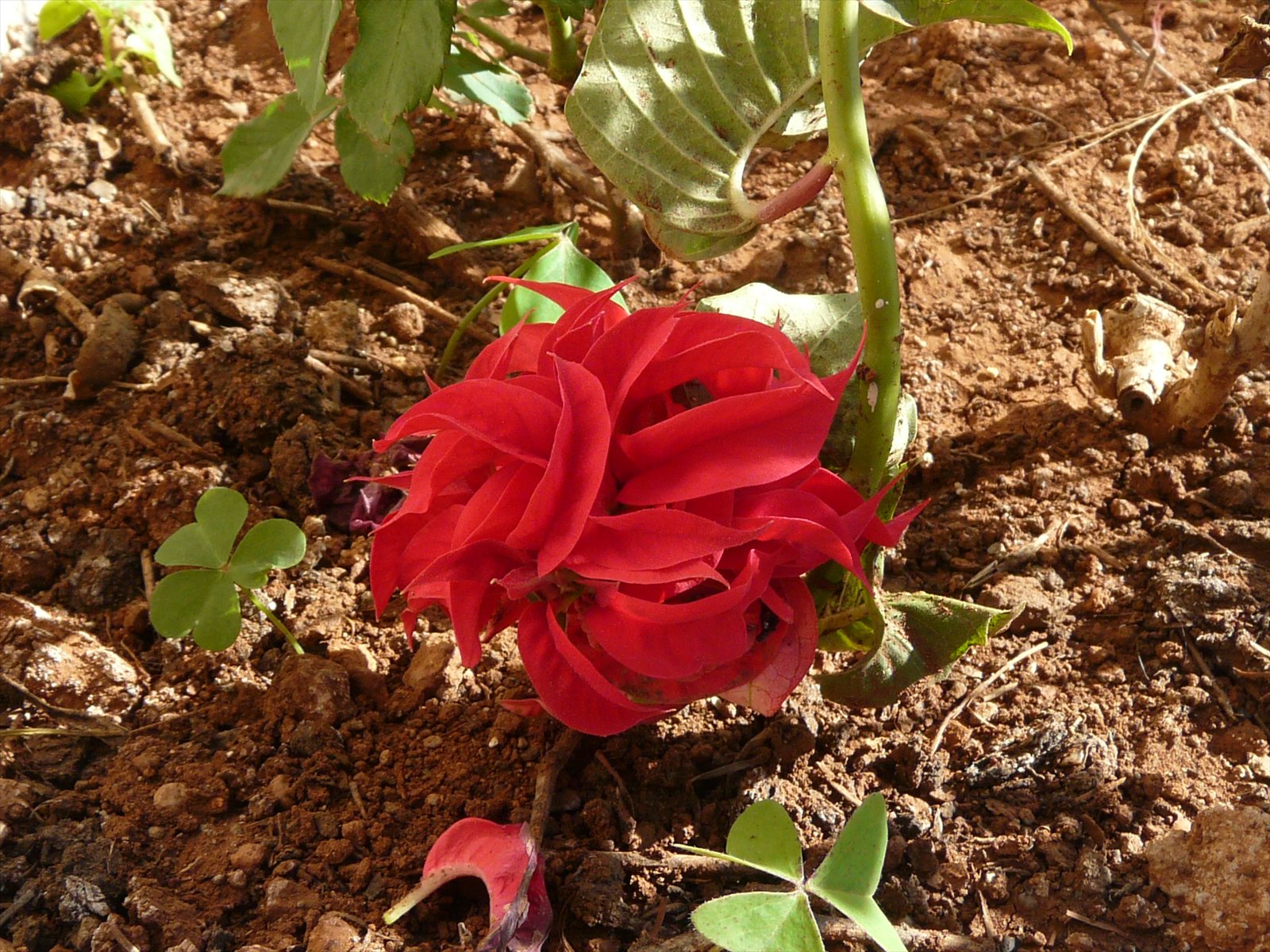
The showy red, pink, white, or mottled parts are modified leaves called bracts, not the true flowers. The true flowers are small yellow structures clustered in the center.
The plant has dark green oval leaves and brittle stems that release milky sap when broken.
Holiday arrangements may contain other plants
A centerpiece may combine poinsettia with holly, mistletoe, ivy, lilies, decorative berries, floral preservatives, glitter, or wire.
Do not apply the usually mild poinsettia guidance to an entire mixed arrangement. Photograph every component and keep the product label.
Preventing exposure
Keep the plant away from low tables, windowsills, and pet routes, and pick up broken bracts and leaves promptly.
Christmas Cactus is a separate holiday plant listed as non-toxic. Use its record rather than treating seasonal plants as interchangeable.
Related plant records
Evidence and sources
- ASPCA — PoinsettiaPoinsettia's irritant sap can irritate the mouth and stomach and sometimes cause vomiting; its toxicity is generally overrated.
- ASPCA — Holiday Pet SafetyASPCA describes the belief that poinsettia is highly toxic as mostly a myth and says it generally causes mild to moderate gastrointestinal irritation.
- NC State Extension — Euphorbia pulcherrimaPoinsettia has colorful modified leaves called bracts, small yellow true flowers, and milky sap that can irritate skin and eyes.