
Plant safety record
Christmas Cactus
Schlumbergera bridgesii
Christmas cactus is considered non-toxic to cats and dogs. Eating a large amount may still cause vomiting or diarrhea, but a correctly identified Schlumbergera holiday cactus is not expected to cause serious plant poisoning.
.JPG)
Cats
NON-TOXIC
A correctly identified Christmas cactus is not expected to poison a cat. Watch for mild stomach upset after chewing.
Dogs
NON-TOXIC
A correctly identified Christmas cactus is not expected to poison a dog. Eating a large amount of segmented stem may still upset the stomach.
Quick answer
For a small nibble from a correctly identified Christmas cactus, remove the plant and watch your pet. Normal access to water is appropriate.
Call your veterinarian if vomiting repeats, diarrhea is substantial, your pet seems weak, or the plant may be a different holiday plant.
Plant identity
Schlumbergera species; older references may use Schlumbergera bridgesii
What non-toxic means
The plant is not expected to cause the characteristic poisoning associated with toxic houseplants. Non-toxic does not mean unlimited plant material can be eaten without stomach irritation.
A large quantity of fibrous segmented stem may cause vomiting, loose stool, or reduced appetite.
If your pet chewed it
Remove loose pieces and check that your pet is comfortable. Do not make your pet vomit or give a home remedy.
Observation is often enough when symptoms are absent or mild. Call for repeated vomiting, persistent diarrhea, choking concerns, or unusual lethargy.
How to recognize a holiday cactus
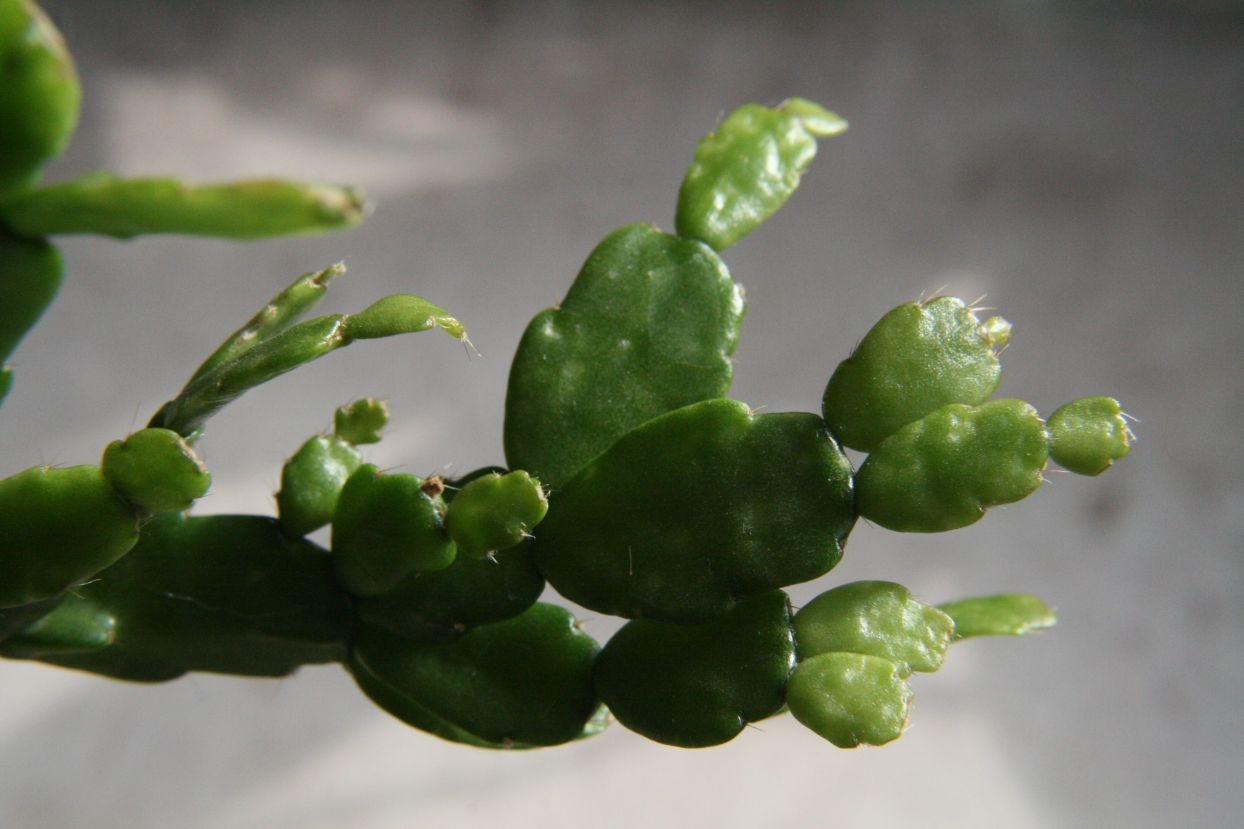
Schlumbergera has flat green segmented stems that act like leaves. The segments branch and often arch over the edge of a pot.
Tubular pink, red, white, orange, or purple flowers emerge near the ends of the segments. Unlike desert cacti, these plants do not have thick round pads covered with prominent spines.
Christmas, Thanksgiving, or Easter cactus
Several related plants are sold as holiday cactus, and retail labels are not always precise. Segment shape and flowering time can help, but hybrids make exact identification difficult.
The PawPlants conclusion is scoped to the Schlumbergera holiday-cactus group supported by the sources, not every unrelated succulent carrying a holiday name.
Why the scientific name may differ
ASPCA uses Schlumbergera bridgesii for Christmas cactus. Current plant references may list Schlumbergera russelliana and treat bridgesii as an older name.
That naming difference is not a reason to ignore an exposure. Match the segmented stems, flowers, and label, and call if the plant does not fit.
Keeping holiday plants pet-friendly
Keep fallen stem segments and flowers picked up, and do not let pets drink from a water-filled decorative sleeve or saucer.
Other seasonal plants on the same table may have different risks. Use the Poinsettia record rather than treating every holiday plant as interchangeable.
Related plant records
Evidence and sources
- ASPCA — Christmas CactusSchlumbergera bridgesii is listed as non-toxic to cats and dogs.
- NC State Extension — SchlumbergeraHoliday cacti have flat segmented green stems, showy tubular flowers, and differ from desert cacti.
- NC State Extension — Schlumbergera russellianaSchlumbergera bridgesii is a former name associated with Christmas cactus; current botanical naming may differ.
- ASPCA — Toxic and Non-Toxic PlantsAny plant material may cause vomiting or gastrointestinal upset even when the plant is listed as non-toxic.
Practical next steps
Plan around this plant
These guides help with household setup. They do not change this plant’s toxicity conclusion or replace veterinary advice.