
Plant safety record
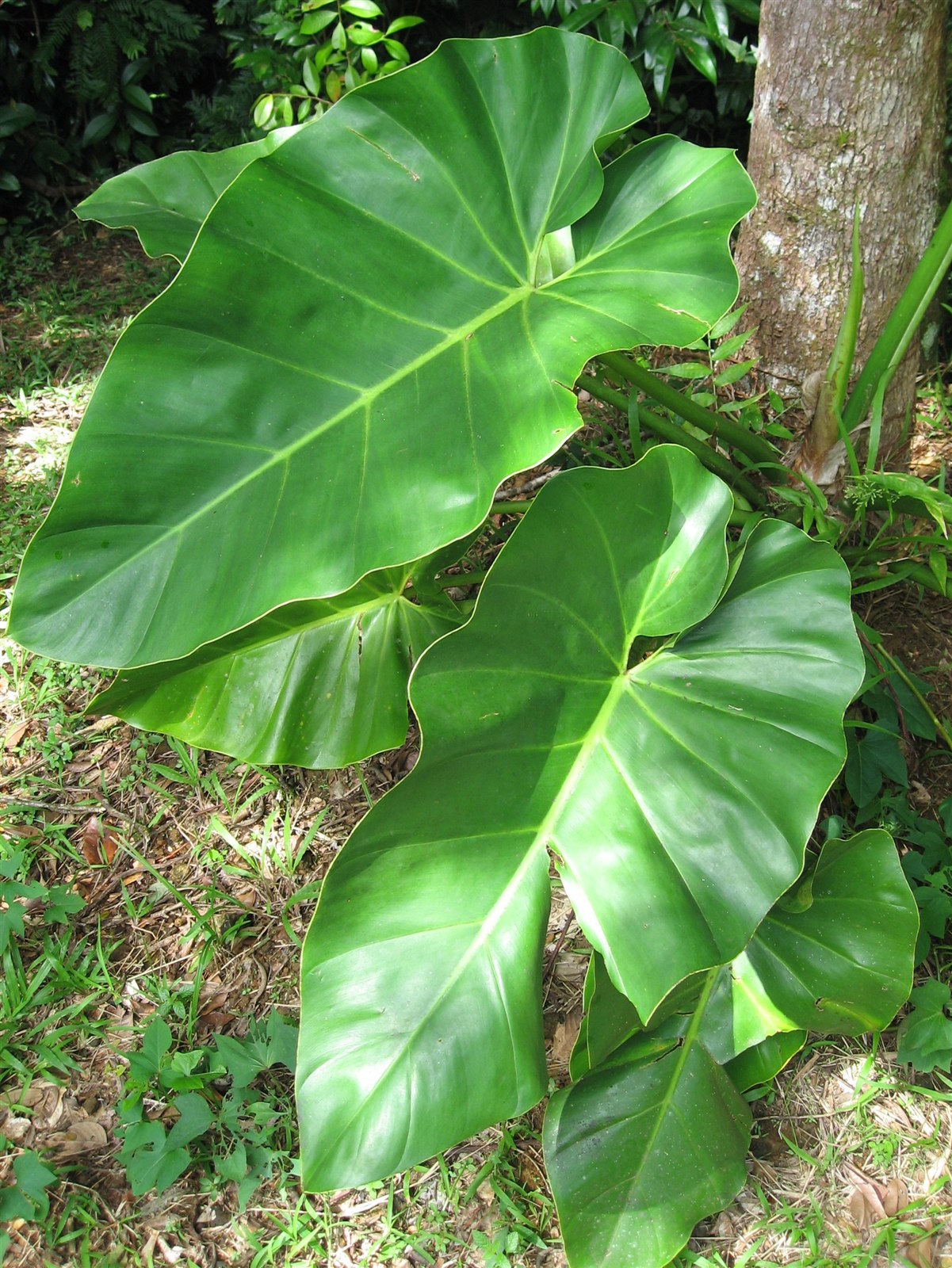
Philodendron
Philodendron spp.
Pet safety guide

Cats
TOXIC
Philodendron should be treated as toxic to cats within the governed identity and evidence scope on this page.
Dogs
TOXIC
Philodendron should be treated as toxic to dogs within the governed identity and evidence scope on this page.
Quick answer
Pet safety guide
Plant identity
Pet safety guide
Scientific identity: Philodendron spp.
Philodendron is governed here at Philodendron spp. genus scope and is toxic to cats and dogs.
Safety for cats and dogs
For cats: Philodendron should be treated as toxic to cats within the governed identity and evidence scope on this page.
For dogs: Philodendron should be treated as toxic to dogs within the governed identity and evidence scope on this page.
What can happen
Supported toxic principle: Insoluble calcium oxalates
Exposure considered: Chewing or swallowing plant material.
Possible signs: oral irritation, mouth or tongue swelling, drooling, vomiting, difficulty swallowing.
Difficulty swallowing warrants prompt veterinary contact.
What to do
Remove access to the plant and contact a veterinarian or animal poison-control service for case-specific advice. This page provides general educational guidance and does not replace emergency veterinary advice.
Identity clarification
Mini Monstera is Rhaphidophora tetrasperma. Philodendron Ginny remains its documented commercial alias and does not make Mini Monstera a botanical Philodendron.
Decision support
Looking for a pet-safer alternative?
These are editorially reviewed alternatives for the visual or growth role described below. Correct identification still matters, and plants listed as non-toxic are not intended for pets to eat.
- CalatheaCalathea spp.
Why consider it: broad, decorative foliage.
Calathea is listed as non-toxic to cats and dogs by the cited source.
Safety conclusions link to each plant record’s cited source. Similarity is a reviewed, directional relationship—not an automatic visual match.
Sources
Practical next steps
Plan around this plant
These guides help with household setup. They do not change this plant’s toxicity conclusion or replace veterinary advice.