
Plant safety record
Calathea
Calathea spp.
Calathea species are considered non-toxic to cats and dogs. Many familiar plants once sold as Calathea are now classified as Goeppertia, so a newer label may look different even though the plant is part of the same familiar prayer-plant group.

Cats
NON-TOXIC
A correctly identified Calathea-type plant is not expected to poison a cat. Chewing leaves may still cause mild stomach upset.
Dogs
NON-TOXIC
A correctly identified Calathea-type plant is not expected to poison a dog. Watch for vomiting or loose stool after a large chewing episode.
Quick answer
For a small nibble from a correctly identified Calathea or closely matched Goeppertia houseplant, remove the plant and watch your pet.
Call your veterinarian if vomiting repeats, diarrhea is substantial, your pet seems unusually tired, or the plant identity does not fit the Calathea or prayer-plant group.
Plant identity
Calathea species; many familiar species are now classified as Goeppertia
What the non-toxic listing covers
ASPCA lists Calathea species as non-toxic to cats and dogs. That is a broad genus-level guide rather than proof that every cultivar and every product used on the plant has been individually tested.
Soil additives, fertilizer, pesticide residue, decorative moss, and mold are separate exposures from the plant itself.
Why some labels say Goeppertia
Botanical classification has moved many familiar Calathea species into the genus Goeppertia. Plant stores and older pet-safety references may continue using Calathea.
Examples such as Goeppertia micans and Goeppertia rufibarba were previously listed as Calathea. The newer name does not automatically indicate a different pet-safety category.
If your pet chewed a leaf
Remove loose pieces and make sure your pet is swallowing and breathing normally. Do not make your pet vomit or give a home remedy.
Observation is often enough for a pet that remains comfortable. Repeated vomiting, persistent diarrhea, choking concerns, or an uncertain identification deserves a veterinary call.
How to recognize the group
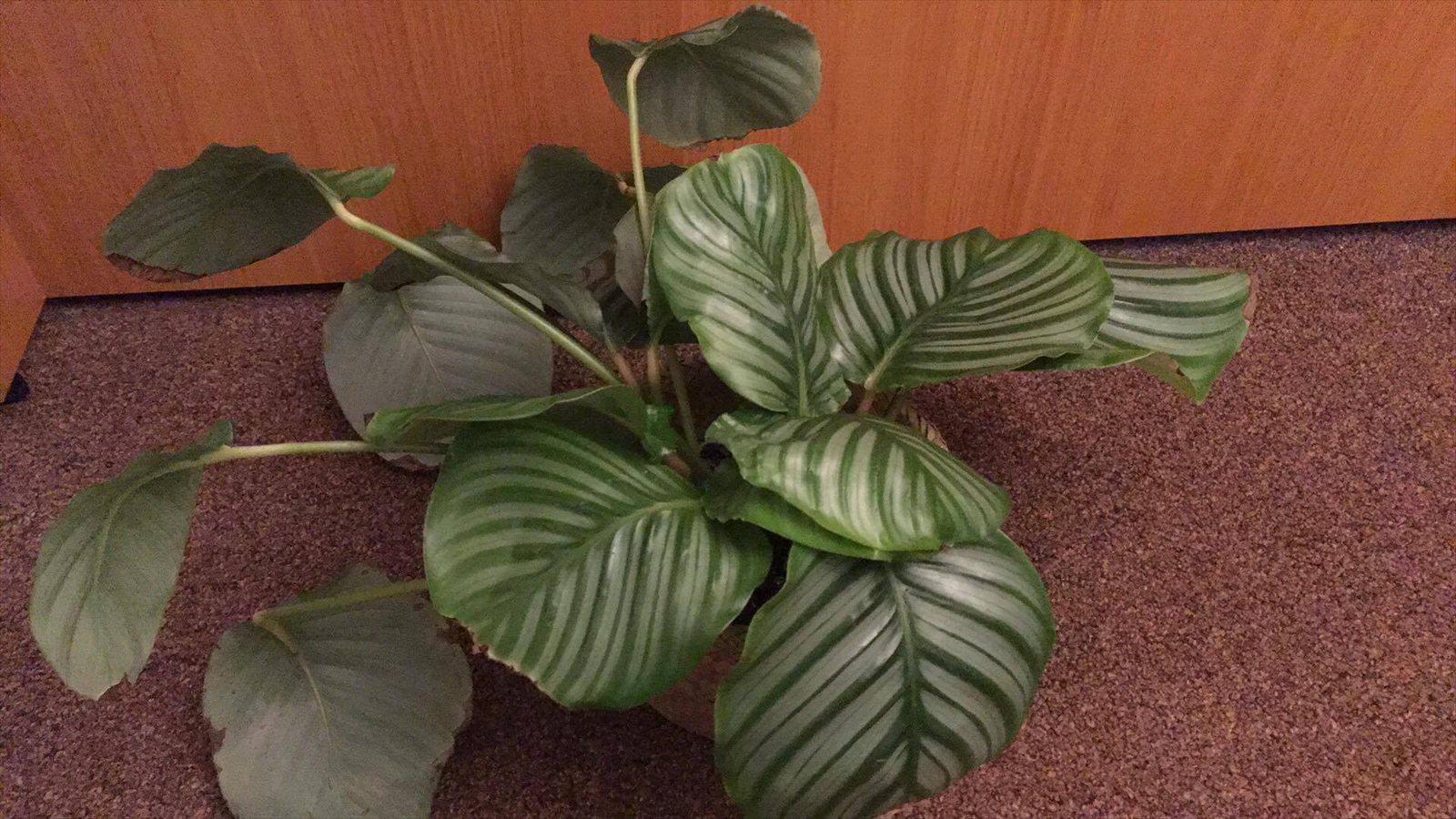
Calathea and Goeppertia houseplants are usually grown for patterned leaves. Many have stripes, spots, feathered markings, purple undersides, or velvety surfaces.
The leaves arise from the base or short stems, and many shift position between day and night. Exact leaf pattern varies widely by species and cultivar.
Calathea versus prayer plant
Prayer plant is another broad common name used across the Marantaceae family. It may refer to Maranta, Goeppertia, or plants still labeled Calathea.
Use the Prayer Plant identity page when the label is vague. Do not assume every unrelated patterned tropical plant belongs to this non-toxic group.
Keeping it pet-friendly
Move the pot if your pet repeatedly shreds leaves or digs in the soil. Pick up damaged foliage before it is swallowed.
A stable outer pot can reduce spills, but avoid decorative stones or treatments that create a separate swallowing or chemical hazard.
Related plant records
Evidence and sources
- ASPCA — CalatheaCalathea species are listed as non-toxic to cats and dogs.
- NC State Extension — Goeppertia micansSome plants formerly classified as Calathea are now classified as Goeppertia; this example is a compact prayer-family plant with velvety leaves.
- NC State Extension — Goeppertia rufibarbaA familiar Calathea-labeled houseplant may now be listed under Goeppertia; identification varies by species and cultivar.
- ASPCA — Toxic and Non-Toxic PlantsAny plant material may cause vomiting or gastrointestinal upset even when the plant is listed as non-toxic.
Practical next steps
Plan around this plant
These guides help with household setup. They do not change this plant’s toxicity conclusion or replace veterinary advice.