
Plant safety record
Lily
Lilium species
“Lily” is a common name, not one safety answer. True lilies and daylilies can cause fatal kidney failure in cats, while peace lilies usually cause painful mouth irritation and Peruvian lilies are considered non-toxic. Lily of the valley can seriously affect the heart in both cats and dogs. When the plant is unknown, identify it before assuming the risk.

Cats
TOXIC
If a cat may have contacted an unknown lily, its pollen, or vase water, call a veterinarian or animal poison-control service now. Treat it as a possible true-lily or daylily exposure until the plant is identified.
Dogs
NON-TOXIC
True lilies do not cause the same kidney failure in dogs, but other plants called lilies can irritate the mouth, upset the stomach, or cause serious heart and organ problems.
Quick answer
For a cat, an unknown lily should be treated as urgent. True lilies in the genus Lilium and daylilies in the genus Hemerocallis can cause severe kidney injury after very small exposures, including pollen or vase water.
For dogs, the name alone still is not enough. A true lily may cause stomach upset, while lily of the valley and several other plants with lily in the name can be far more dangerous.
Why there is no single plant photo
Plant safety record
“Lily” is a common name, not one safety answer. True lilies and daylilies can cause fatal kidney failure in cats, while peace lilies usually cause painful mouth irritation and Peruvian lilies are considered non-toxic. Lily of the valley can seriously affect the heart in both cats and dogs. When the plant is unknown, identify it before assuming the risk.
True lilies: Lilium species
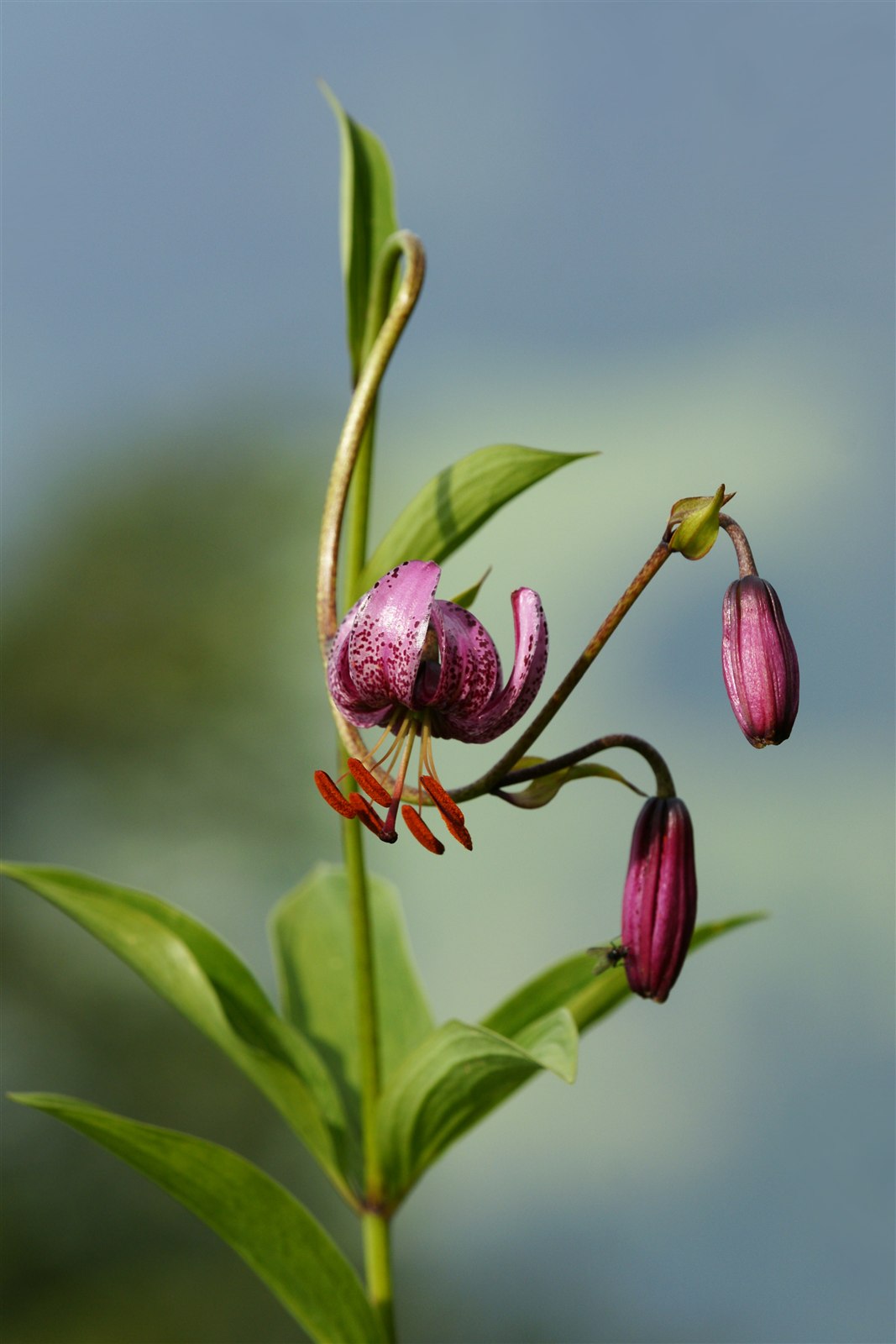
This group includes Easter, Asiatic, Oriental, stargazer, tiger, and Japanese show lilies. They often have an upright central stem, narrow leaves attached along that stem, and large trumpet-shaped or star-shaped flowers with prominent pollen-bearing anthers.
Every part is dangerous to cats, including leaves, petals, stems, pollen, and vase water. If a cat may have contacted one, do not wait for symptoms.
Daylilies: Hemerocallis species
Daylilies usually grow as a clump of long, grass-like leaves. Their flowers sit on separate stalks above the foliage, and each bloom commonly lasts about a day.
They are not true lilies botanically, but they pose the same kidney-failure emergency for cats. The word “daylily” should never be treated as a safer version of lily.
Peace lilies and calla lilies
Peace lilies have broad glossy leaves and a pale hood-like spathe around a central spike. Calla lilies have a similar flower structure. Neither causes the true-lily kidney failure seen in cats.
They contain insoluble calcium oxalate crystals that can cause immediate mouth pain, drooling, vomiting, swelling, and difficulty swallowing in cats and dogs.
Peruvian lilies: Alstroemeria
Peruvian lilies are common in bouquets and often have several small flowers on leafy stems. The inner petals are usually streaked or spotted, which helps distinguish them from true lilies.
The ASPCA lists Alstroemeria as non-toxic to cats and dogs. A large amount may still cause mild stomach upset, so keep the plant away from habitual chewers.
Lily of the valley and other dangerous names
Lily of the valley is a low-growing plant with broad leaves and small white bell-shaped flowers. It contains cardiac glycosides and can cause vomiting, low blood pressure, an irregular heartbeat, weakness, seizures, or coma in cats and dogs.
The word lily also appears in names such as gloriosa lily, flame lily, and lily-of-the-valley bush. These are different plants with different toxins. The common name should be the beginning of identification, not the final answer.
What to do when you are not sure
For a cat exposed to an unknown lily, call immediately and mention any contact with pollen or vase water. Do not make your pet vomit or try a home remedy unless a veterinary professional specifically directs you.
Take clear photos of the whole plant, the way the leaves attach, the flowers, stems, bulbs or seeds, and any label. Bring the plant or bouquet with you if that can be done safely.
Related plant records
Evidence and sources
- U.S. Food and Drug Administration — Lovely Lilies and Curious CatsTrue lilies and daylilies can cause fatal kidney failure in cats; pollen and vase water are exposure routes; dogs do not develop the same kidney failure.
- ASPCA — Which Lilies Are Toxic to Pets?Common-name overlap, true-lily and daylily urgency, peace lily distinction, and lily-of-the-valley risk.
- ASPCA — Mauna Loa Peace LilyInsoluble calcium oxalates, oral irritation, drooling, vomiting, and difficulty swallowing.
- ASPCA — Peruvian LilyAlstroemeria is listed as non-toxic to cats and dogs.
- ASPCA — Lily of the ValleyCardenolides and signs including vomiting, irregular heartbeat, low blood pressure, disorientation, coma, and seizures.
- ASPCA LILY
- ASPCA EASTER LILY
- ASPCA LILY OF THE VALLEY
- ASPCA PEACE LILY
- ASPCA PERUVIAN LILY