
Plant safety record
English Ivy
Hedera helix
English ivy is toxic to cats and dogs. Ingestion can cause drooling, vomiting, abdominal pain, and diarrhea. The foliage contains a higher concentration of the plant's toxic compounds than the berries.
.jpg)
Cats
TOXIC
Cats may develop drooling, vomiting, abdominal pain, or diarrhea after chewing English ivy leaves or other plant material.
Dogs
TOXIC
Dogs may develop drooling, vomiting, abdominal pain, or diarrhea. Foliage is a greater concern than the berries.
Quick answer
If your pet ate English ivy, remove access and call your veterinarian. Save a sample or take clear photographs of the vine and leaves.
Do not make your pet vomit or give a home remedy unless a veterinary professional specifically directs you.
Plant identity
Hedera helix
Signs to watch for
Drooling, vomiting, diarrhea, and abdominal pain are the main listed signs. A pet may also lose interest in food or seem unusually quiet.
Repeated vomiting, substantial diarrhea, marked weakness, collapse, or inability to keep water down requires prompt veterinary care.
Why the leaves matter
English ivy contains triterpenoid saponins and related irritating compounds. ASPCA notes that the foliage is more toxic than the berries.
Do not treat berries as harmless, but make sure the veterinary team knows when leafy vine material was eaten.
What to do right now
Collect loose leaves and vine pieces, keep your pet away from the plant, and note when the exposure happened. Prevent licking if sap is on the coat.
Contact a veterinarian or animal poison-control service when any amount was swallowed, the amount is uncertain, or symptoms have begun.
How to recognize English ivy
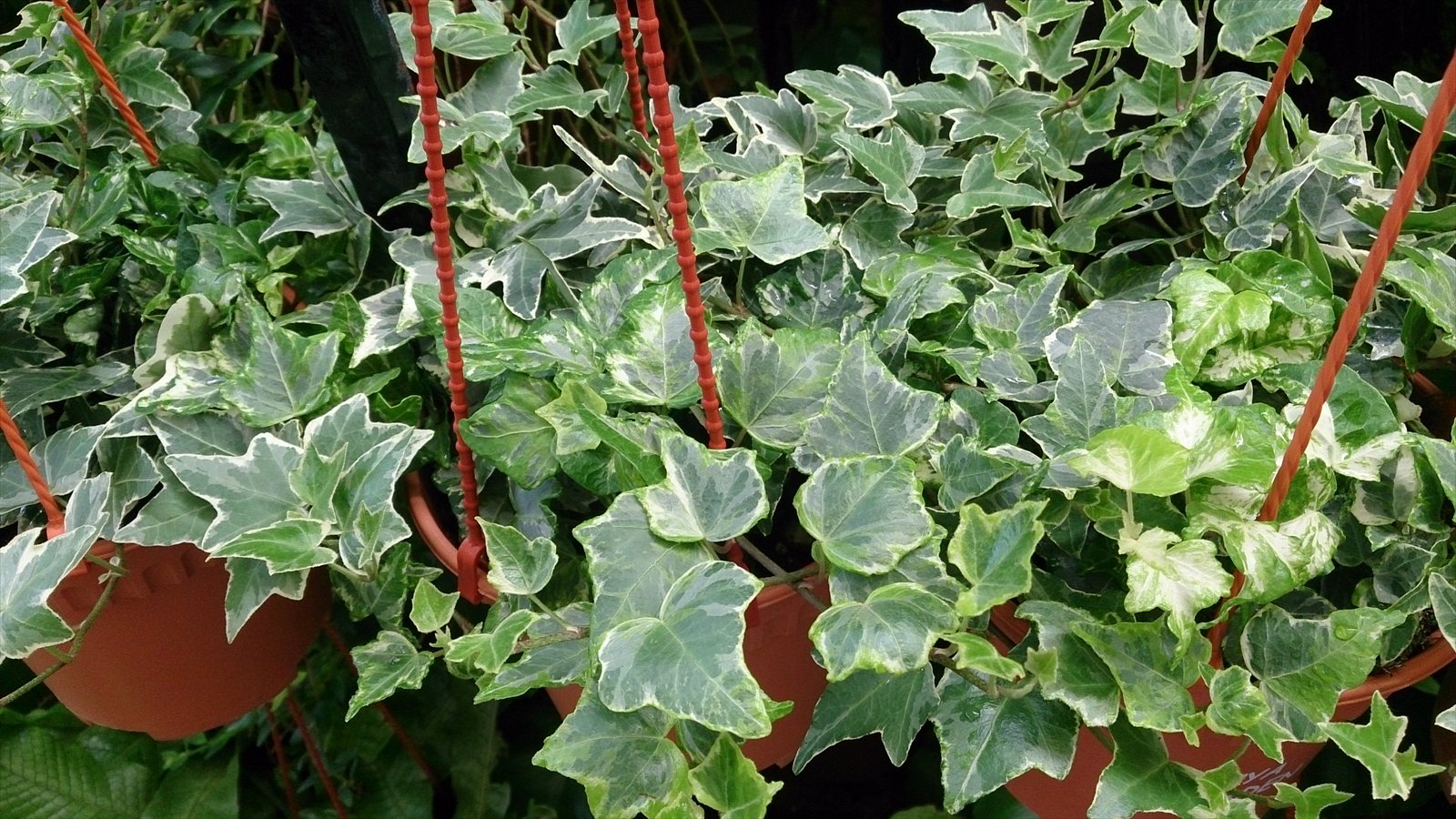
English ivy is a woody evergreen vine. Young climbing growth usually has glossy leaves with three to five lobes and clings to surfaces with small aerial roots.
Mature flowering growth can have less-lobed leaves and produce small flower clusters followed by dark berries, so the plant may not look identical in every growth stage.
Not the same as pothos or poison ivy
Golden pothos is sometimes called devil's ivy, but it is Epipremnum aureum and causes calcium-oxalate mouth irritation rather than the English-ivy pattern described here.
Poison ivy is Toxicodendron radicans, an entirely different vine. Use the scientific name Hedera helix when matching this record.
Outdoor and indoor control
English ivy can spread across the ground, climb fences, or grow as a houseplant. Remove dropped trimmings and block access to vines at pet height.
Bag cuttings before disposal. Sap can irritate skin, so use gloves and wash tools after pruning.
Related plant records
Decision support
Looking for a pet-safer alternative?
These are editorially reviewed alternatives for the visual or growth role described below. Correct identification still matters, and plants listed as non-toxic are not intended for pets to eat.
- Hoya carnosa (Wax Plant)Hoya carnosa
Why consider it: a vining or cascading display role.
Hoya carnosa (Wax Plant) is listed as non-toxic to cats and dogs by the cited source.
Safety conclusions link to each plant record’s cited source. Similarity is a reviewed, directional relationship—not an automatic visual match.
Evidence and sources
- ASPCA — English IvyHedera helix is toxic to cats and dogs; signs include vomiting, abdominal pain, drooling, and diarrhea, and foliage is more toxic than berries.
- Pet Poison Helpline — English IvyEnglish ivy leaves and berries contain pentacyclic terpenoids; drooling, vomiting, and diarrhea are expected after ingestion.
- NC State Extension — English IvyEnglish ivy is an evergreen woody vine with juvenile climbing foliage, glossy leaves, and clinging aerial roots.
Practical next steps
Plan around this plant
These guides help with household setup. They do not change this plant’s toxicity conclusion or replace veterinary advice.