
Plant safety record
Chrysanthemum
Chrysanthemum spp.
Chrysanthemums are toxic to cats and dogs. Eating the plant may cause vomiting, diarrhea, drooling, or poor coordination, and contact with the plant can irritate the skin in some animals.

Cats
TOXIC
Cats may develop vomiting, diarrhea, heavy drooling, poor coordination, or skin irritation after chrysanthemum exposure.
Dogs
TOXIC
Dogs may develop vomiting, diarrhea, heavy drooling, poor coordination, or dermatitis after eating or contacting chrysanthemums.
Quick answer
If your pet ate a chrysanthemum, remove access and call your veterinarian. Be ready to describe which parts were chewed, how much may be missing, and when it happened.
Do not make your pet vomit or give a home remedy unless a veterinary professional specifically directs you.
Plant identity
Chrysanthemum species
Signs to watch for
Vomiting, diarrhea, and excessive drooling are common listed signs. A pet may also appear wobbly or poorly coordinated.
Skin contact may cause redness, itching, or dermatitis. Collapse, severe weakness, seizures, or trouble breathing requires emergency care.
What to do right now
Move the plant and collect loose petals, leaves, and stems. If sap or plant material is on the coat, prevent licking and rinse the exposed area with plain water.
Call your veterinarian or an animal poison-control service when ingestion occurred, the amount is uncertain, or symptoms have started.
What to tell the veterinary team
Use the name chrysanthemum or mum and share the label if available. Explain whether the exposure involved eating the plant, rubbing against it, or both.
Report vomiting, diarrhea, drooling, wobbliness, and skin changes, including when each sign began.
How to recognize chrysanthemums
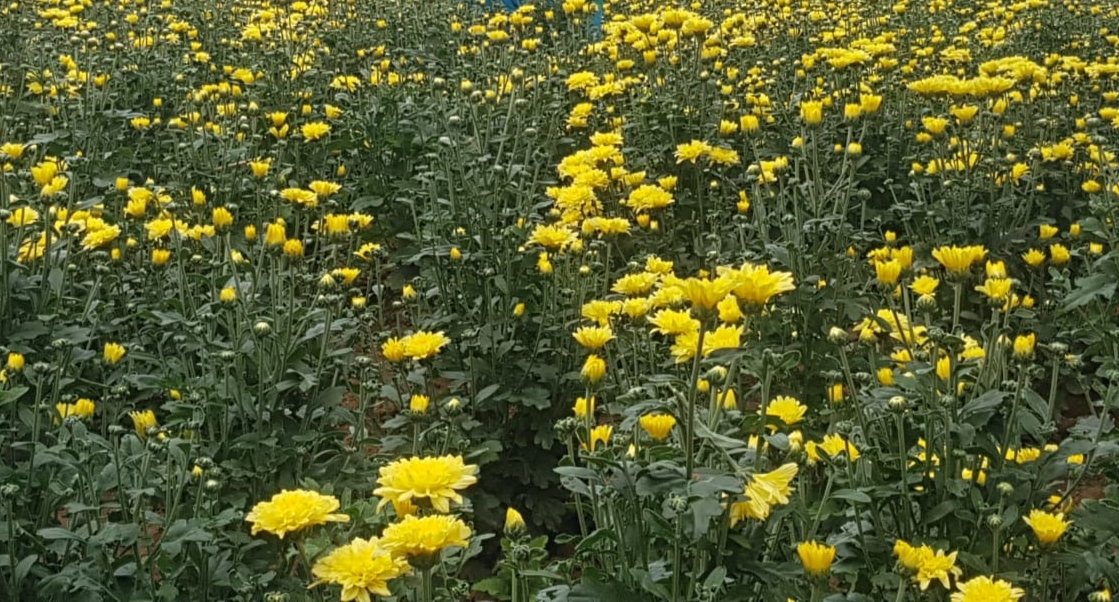
Garden mums usually grow as rounded, branching plants covered with many composite flower heads. Flowers may be daisy-like, button-shaped, pompon-like, or densely layered.
The leaves are typically lobed or toothed and have a noticeable scent when crushed. Flower form and color vary widely among cultivars.
The names mum and daisy are not enough
Chrysanthemum may be sold simply as mum, and ASPCA also lists daisy as a common name. Those words are used for many unrelated plants.
Use the nursery label and whole-plant appearance before applying this record to every flower called a daisy.
Reducing exposure
Place seasonal potted mums where fallen petals and leaves do not collect in a pet-accessible area. Sweep outdoor walkways and patios after pruning.
Bag trimmings before disposal, and keep insect-control products used on the plant separate from the plant-toxicity question.
Decision support
Looking for a pet-safer alternative?
These are editorially reviewed alternatives for the visual or growth role described below. Correct identification still matters, and plants listed as non-toxic are not intended for pets to eat.
- African VioletStreptocarpus ionanthus
Why consider it: an indoor flowering-plant focus.
African Violet is listed as non-toxic to cats and dogs by the cited source.
Safety conclusions link to each plant record’s cited source. Similarity is a reviewed, directional relationship—not an automatic visual match.
Evidence and sources
- ASPCA — ChrysanthemumChrysanthemum species are toxic to cats and dogs; signs include vomiting, diarrhea, hypersalivation, incoordination, and dermatitis.
- ASPCA — Are These Fall Plants Hazardous or Harmless?Mums are toxic to cats and dogs and may cause vomiting, diarrhea, and hypersalivation.
- NC State Extension — Chrysanthemum Rubellum GroupGarden mums are members of the daisy family and commonly form rounded mounds with composite flower heads.
Practical next steps
Plan around this plant
These guides help with household setup. They do not change this plant’s toxicity conclusion or replace veterinary advice.