
Plant safety record
African Violet
Streptocarpus ionanthus
African violet is considered non-toxic to cats and dogs. A curious pet may still develop mild stomach upset after eating leaves or flowers, but a correctly identified African violet is not expected to cause serious plant poisoning.

Cats
NON-TOXIC
A correctly identified African violet is not expected to poison a cat. Watch for mild vomiting or loose stool after chewing.
Dogs
NON-TOXIC
A correctly identified African violet is not expected to poison a dog. Eating a large amount of plant material may still upset the stomach.
Quick answer
For a small nibble from a correctly identified African violet, remove the plant and watch your pet. Access to normal drinking water is appropriate.
Call your veterinarian if vomiting repeats, diarrhea is substantial, your pet seems unusually tired, or the plant may not actually be an African violet.
Plant identity
Saintpaulia spp. (now commonly classified in Streptocarpus)
What non-toxic means
Non-toxic means the plant is not expected to cause the characteristic poisoning associated with toxic houseplants. It does not mean the leaves are intended as food.
Any plant material can irritate the stomach, especially when a pet eats a large amount or has a sensitive digestive system.
If your pet chewed it
Take away loose leaves and flowers and check that your pet is comfortable. Do not make your pet vomit or give a home remedy.
Observation is often enough when the pet remains normal. A veterinary call is appropriate for persistent symptoms, choking concerns, or an uncertain identification.
How to recognize African violet
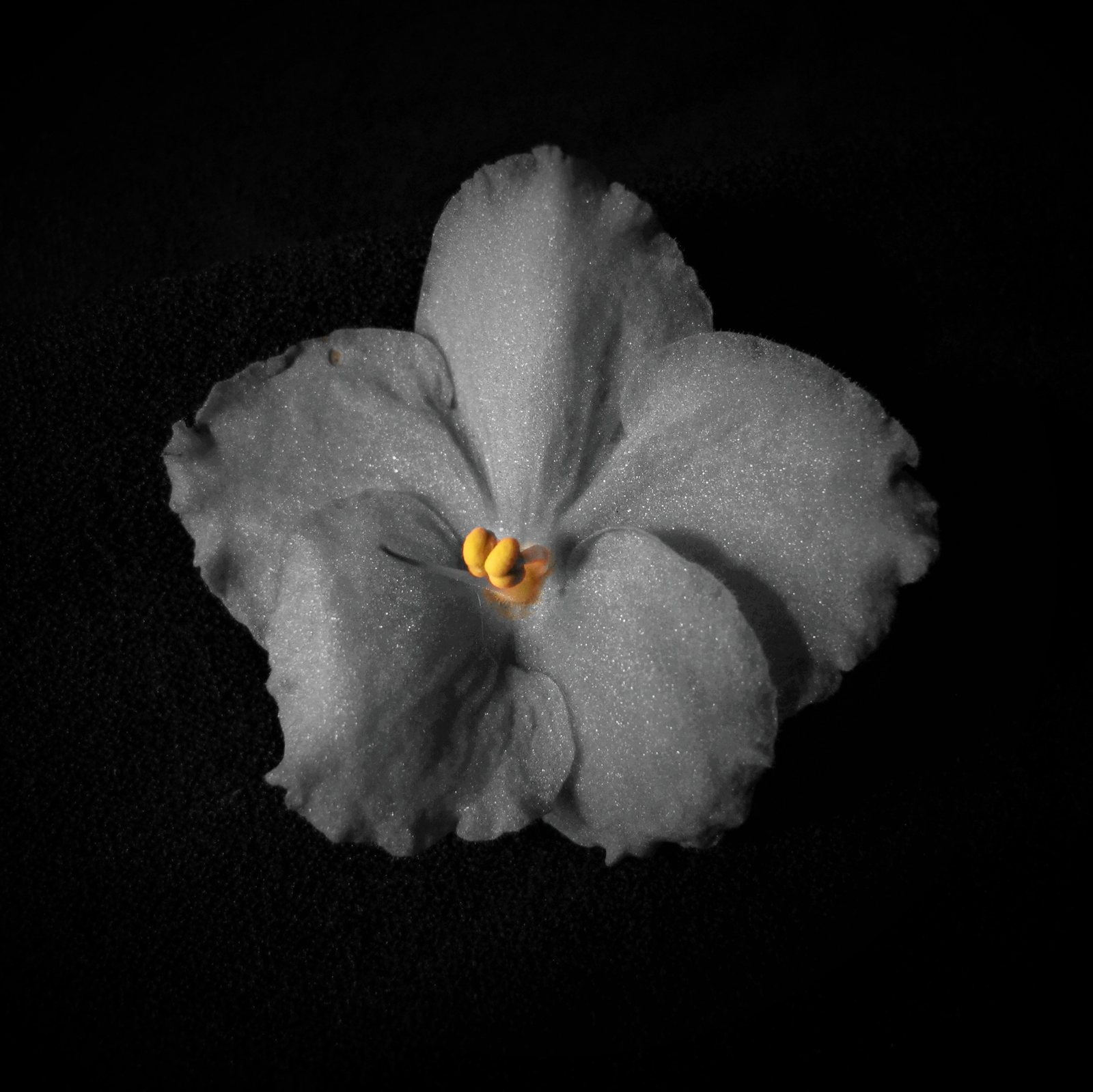
The familiar houseplant forms a low rosette of soft, fuzzy leaves. Flowers rise above the foliage and may be purple, blue-violet, pink, red, or white.
The leaves are usually rounded to oval, visibly veined, and velvety. A trailing plant with red trumpet-shaped flowers may be a different plant sometimes called flame African violet.
Why the scientific name may differ
Many pet-safety references use the older genus name Saintpaulia. Current botanical references commonly place African violets in Streptocarpus.
The name change does not turn the familiar plant into a different safety category. It does make the scientific name useful when labels or databases do not appear to agree.
Keeping it pet-friendly
Place the pot where repeated chewing and digging are unlikely, and clean up broken leaves. Soil, fertilizer, decorative moss, and pest-control products are separate exposures from the plant itself.
A stable saucer and heavier outer pot can reduce spills if a cat likes to step onto the rim or a dog bumps the table.
Evidence and sources
- ASPCA — African VioletSaintpaulia species are listed as non-toxic to cats and dogs.
- NC State Extension — African VioletCurrent naming and identification features include a basal rosette of soft hairy leaves and flowers held above the foliage.
- ASPCA — Toxic and Non-Toxic PlantsAny plant material may cause vomiting or gastrointestinal upset even when a plant is listed as non-toxic.
Practical next steps
Plan around this plant
These guides help with household setup. They do not change this plant’s toxicity conclusion or replace veterinary advice.