
Plant safety record
Asparagus Fern
Asparagus aethiopicus
Asparagus fern is toxic to cats and dogs, although the main concerns are usually berry ingestion and repeated contact with the plant. Berries may cause vomiting, abdominal pain, or diarrhea, and the sap can irritate skin.

Cats
TOXIC
Eating the berries may cause vomiting, abdominal pain, or diarrhea. Repeated skin contact can cause irritation.
Dogs
TOXIC
Berry ingestion may cause vomiting, abdominal pain, or diarrhea. Repeated contact with the plant may irritate the skin.
Quick answer
If your pet ate asparagus fern berries, remove access and call your veterinarian if more than a small amount may be missing or symptoms begin.
Wash exposed skin or fur with plain water if sap is present, while preventing your pet from licking the rinse. Persistent redness, swelling, or blistering deserves veterinary advice.
Plant identity
Asparagus densiflorus 'Sprengeri'
The berries are the main ingestion concern
Asparagus fern may produce small berries after flowering. Eating them can cause vomiting, abdominal pain, or diarrhea.
The number eaten is often uncertain because berries can roll away or be swallowed quickly. Save a sample or photograph if you need to call.
Skin contact can also matter
Repeated contact with the plant or sap may cause allergic dermatitis. Look for redness, itching, swelling, or irritated patches where the plant touched the skin.
Do not apply a human cream or medication unless a veterinarian confirms it is safe for your pet.
What to do right now
Move the plant and fallen berries out of reach. Do not make your pet vomit or give a home remedy.
Call for repeated vomiting, substantial diarrhea, obvious abdominal pain, marked lethargy, or persistent skin irritation.
Not a true fern
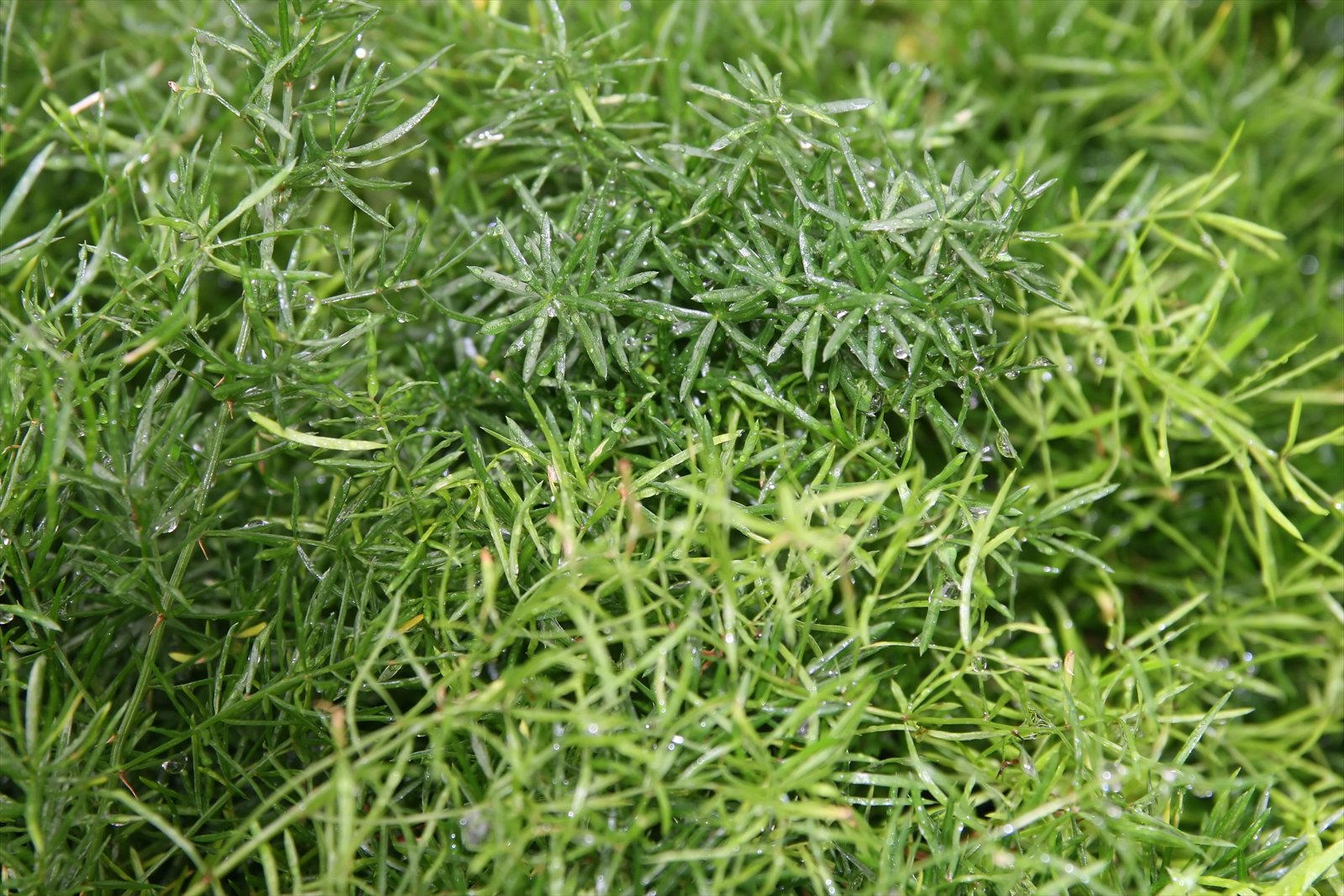
Asparagus fern belongs to the genus Asparagus rather than the true-ferns group. Its soft fern-like appearance comes from narrow clustered cladodes, which are modified stem structures.
The stems may trail or arch and can carry small spines. Small flowers may be followed by berries.
Do not confuse it with Boston fern
Boston fern has true leafy fronds made of many small leaflets and is listed as non-toxic to cats and dogs. Asparagus fern has wiry branching stems and clustered needle-like growth.
Use the Boston Fern record for a direct comparison before relying on the word fern.
Preventing exposure
Remove berries as they appear and pick up any that fall. Hanging baskets still need attention because trailing stems and berries can reach the floor.
Wear gloves while pruning if the plant irritates your own skin, and bag cuttings before placing them in a trash container pets can access.
Related plant records
Decision support
Looking for a pet-safer alternative?
These are editorially reviewed alternatives for the visual or growth role described below. Correct identification still matters, and plants listed as non-toxic are not intended for pets to eat.
- Boston FernNephrolepis exaltata
Why consider it: a fern-like foliage role.
Boston Fern is listed as non-toxic to cats and dogs by the cited source.
Safety conclusions link to each plant record’s cited source. Similarity is a reviewed, directional relationship—not an automatic visual match.
Evidence and sources
- ASPCA — Asparagus FernAsparagus densiflorus 'Sprengeri' is toxic to cats and dogs; berry ingestion may cause vomiting, abdominal pain, or diarrhea, and repeated skin contact may cause dermatitis.
- NC State Extension — Asparagus FernThe plant is not a true fern; it has narrow clustered cladodes, trailing or upright spiny stems, berries, and low-severity ingestion and contact hazards.
Practical next steps
Plan around this plant
These guides help with household setup. They do not change this plant’s toxicity conclusion or replace veterinary advice.