Plant safety record
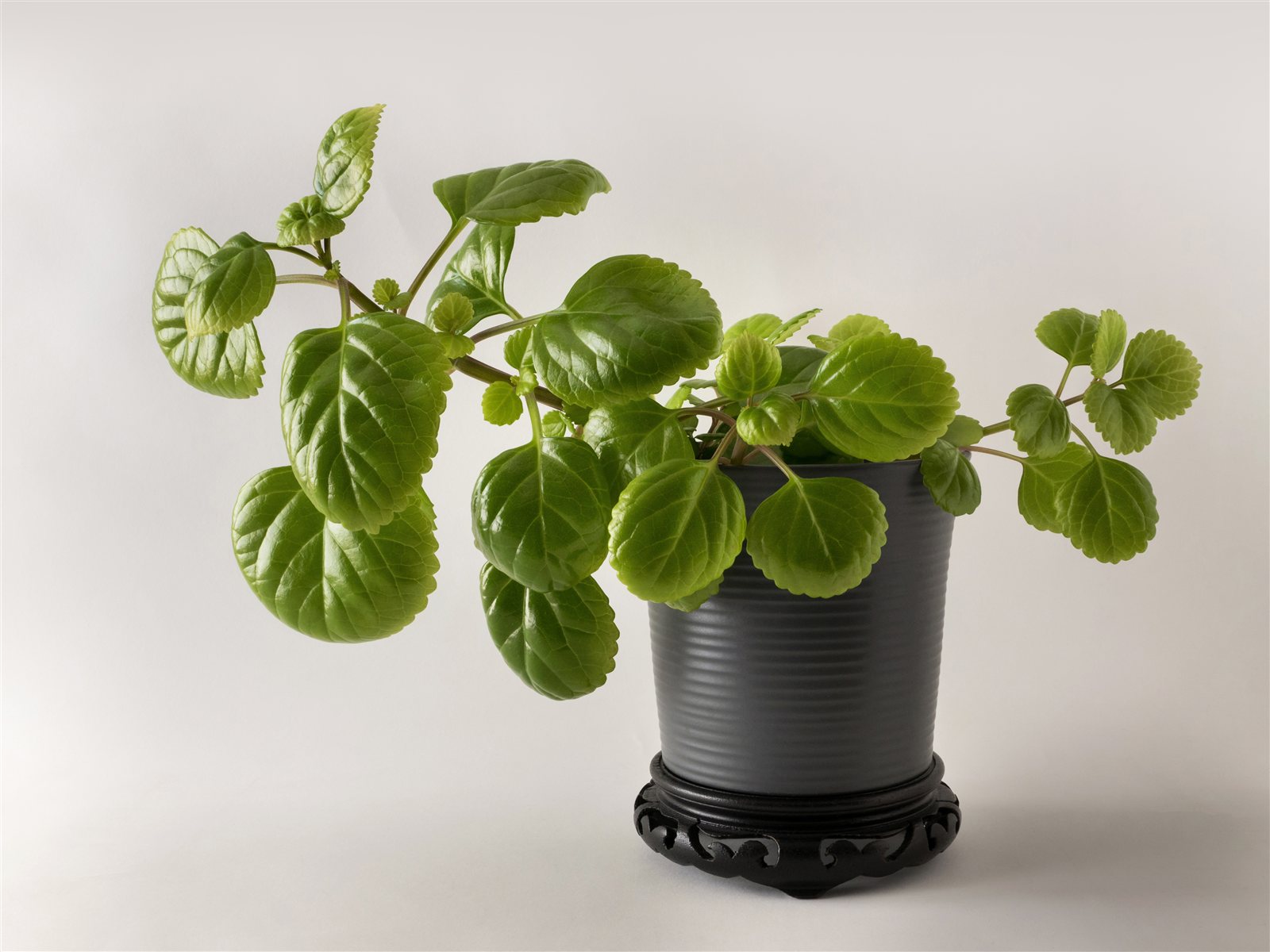
Swedish Ivy
Plectranthus verticillatus
Plectranthus verticillatus is classified as non-toxic to cats and dogs for the reconciled Swedish Ivy commercial identity.

Cats
NON-TOXIC
Swedish Ivy is classified as non-toxic within this exact governed scope.
Dogs
NON-TOXIC
Swedish Ivy is classified as non-toxic within this exact governed scope.
Quick answer
A correctly identified Plectranthus verticillatus Swedish Ivy is not expected to poison a cat or dog, though chewing plant material can still cause mild stomach upset.
Plant identity
Governed scientific identity: Plectranthus verticillatus
The accepted PawPlants identity is Plectranthus verticillatus. ASPCA prints Plectranthus australis for Swedish Ivy; RHS identifies that wording as a misapplied commercial name for Plectranthus verticillatus, not a separate PawPlants identity or accepted botanical synonym.
What non-toxic means
ASPCA's Swedish Ivy source record is non-toxic; ingestion can still cause nonspecific gastrointestinal upset.
If your pet chewed it
Remove access after chewing and monitor your pet. Contact a veterinarian for concerning or persistent symptoms.
Prevention and placement
Keep trailing stems and fallen leaves out of repeated pet-chewing reach.
Evidence scope
Do not generalize this reconciled Swedish Ivy conclusion to all Plectranthus, to the true Plectranthus australis taxon, or to unrelated plants called Creeping Charlie, Swedish Begonia, or Whorled Plectranthus.
Evidence and sources
- ASPCA — Swedish IvyClassification for the governed identity or scope.
- Wikimedia Commons — Plectranthus verticillatus in a ceramic pot.jpgImage source, creator, license, and representation provenance.