
Plant safety record
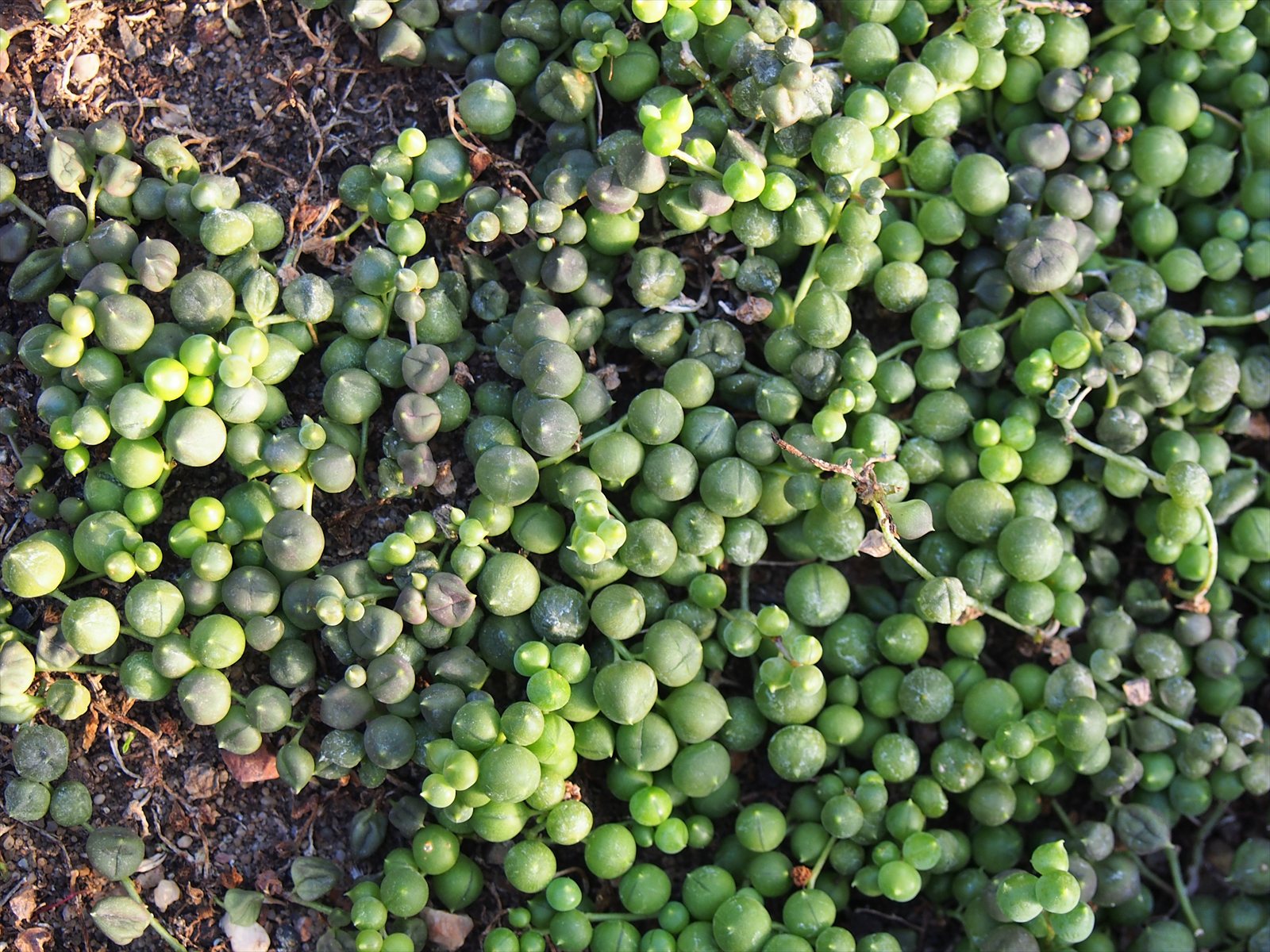
String of Pearls
Senecio rowleyanus
String of pearls is toxic to cats and dogs. Eating the bead-like leaves may cause vomiting, diarrhea, and lethargy, and the plant's sap may irritate skin. Its trailing shape makes fallen leaves and broken stems easy for pets to reach.

Cats
TOXIC
Cats may develop vomiting, diarrhea, or lethargy after chewing the leaves or stems. Sap on the coat can create another exposure during grooming.
Dogs
TOXIC
Dogs may develop vomiting, diarrhea, or lethargy after eating string-of-pearls plant material. Sap may irritate the skin.
Quick answer
If your pet chewed string of pearls, remove access and call your veterinarian. Collect loose beads and stems, and save the plant label or take photographs.
Do not make your pet vomit or give food, milk, oil, charcoal, or another home remedy unless a veterinary professional specifically directs you.
Plant identity
Curio rowleyanus (formerly Senecio rowleyanus)
Signs to watch for
Vomiting is a commonly reported sign. Diarrhea and lethargy may also occur after ingestion.
Repeated vomiting, substantial diarrhea, inability to keep water down, marked weakness, collapse, or unusual behavior requires prompt veterinary care.
Sap on skin or fur
Broken leaves and stems can release sap that irritates skin. A pet may also swallow sap while grooming contaminated fur.
Prevent licking and rinse visible sap from skin or coat with plain water. Persistent redness, swelling, discomfort, or known eye exposure needs veterinary guidance.
What to tell the veterinary team
Use the names string of pearls, Curio rowleyanus, or the older name Senecio rowleyanus. Explain whether leaves, stems, sap, or an unknown amount was involved.
Report when the exposure occurred, how much may be missing, and every symptom observed.
How to recognize string of pearls
The plant has thin trailing stems lined with small round fleshy leaves that resemble green peas, beads, or pearls. Each bead may show a narrow translucent stripe and a tiny pointed tip.
It is commonly grown in a hanging basket, with stems spilling over the edge. Small white flowers may have a cinnamon-like scent, although indoor plants rarely flower.
Why the scientific name changed
Older plant labels and pet-safety articles often use Senecio rowleyanus. Current botanical references commonly use Curio rowleyanus.
Both names refer to the same familiar string-of-pearls plant. The naming change does not alter its pet-safety classification.
Common-name confusion
String of beads, necklace plant, rosary vine, and string of peas may refer to this plant. Rosary vine and necklace plant are also used for unrelated trailing plants.
Use the round pea-shaped leaves and scientific name before applying this record.
Preventing another exposure
A hanging basket is not automatically out of reach. Long stems can reach furniture or the floor, and detached beads can roll into hidden areas.
Trim accessible stems, collect fallen leaves, and bag cuttings before placing them in an accessible trash container.
Evidence and sources
- ASPCA — Are Succulents Safe to Have Around Pets?String of pearls may cause stomach upset, predominantly vomiting, and lethargy after ingestion.
- NC State Extension — Curio rowleyanusString of pearls is toxic to pets; ingestion can cause vomiting and diarrhea, and sap may irritate skin. The accepted name is Curio rowleyanus, formerly Senecio rowleyanus.