
Plant safety record
Peony
Paeonis officinalis
Peonies are toxic to cats and dogs. ASPCA identifies paeonol as the toxic principle and lists vomiting, diarrhea, and depression as the expected signs. Call a veterinarian after a known ingestion rather than assuming a bouquet or garden bite is harmless.

Cats
TOXIC
Cats may develop vomiting, diarrhea, reduced appetite, or unusual quietness after eating peony plant material.
Dogs
TOXIC
Dogs may develop vomiting, diarrhea, or depression after chewing peony leaves, stems, buds, or flowers.
Quick answer
If your cat or dog ate part of a peony, remove access and call your veterinarian. Save a sample or take clear photographs of the plant or bouquet.
Do not make your pet vomit or give food, milk, oil, charcoal, or another home remedy unless a veterinary professional specifically directs you.
Plant identity
Paeonia species
Signs to watch for
Vomiting, diarrhea, and depression or lethargy are the main signs listed by ASPCA. A pet may also lose interest in food or appear uncomfortable.
Repeated vomiting, substantial diarrhea, inability to keep water down, marked weakness, collapse, or abnormal behavior requires prompt veterinary care.
What to do right now
Move the plant, collect loose petals and leaves, and note when the exposure happened. Keep the florist label or nursery tag if available.
Contact your veterinarian or an animal poison-control service when plant material was swallowed, the amount is uncertain, or symptoms have started.
What to tell the veterinary team
Report which plant parts were accessible, how much may be missing, and whether the exposure involved a bouquet, garden plant, tuber, or unknown material.
Share photographs and report when vomiting, diarrhea, lethargy, or appetite changes began.
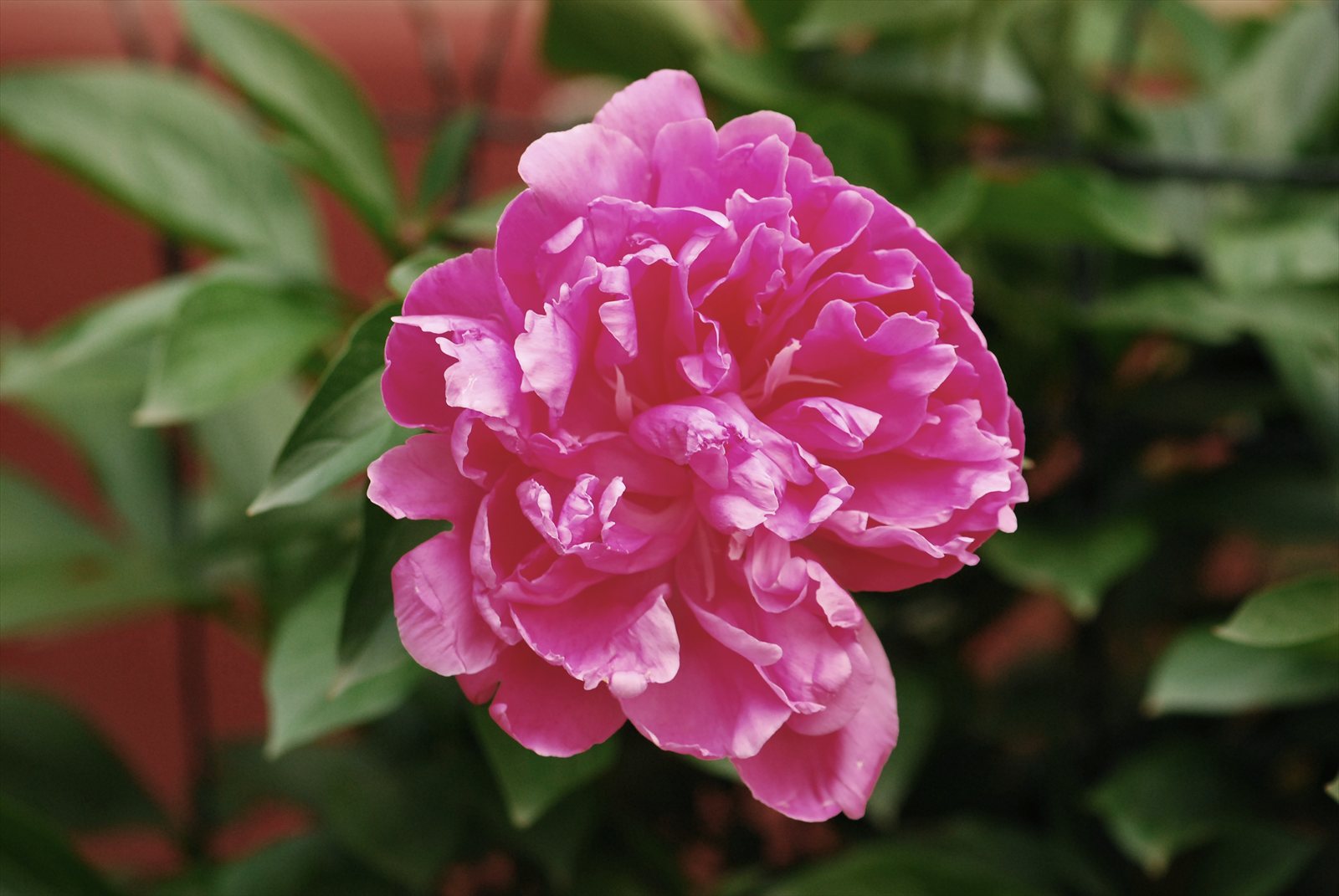
How to recognize herbaceous peonies
Garden peonies commonly grow as leafy clumps that die back to the ground in winter. Their large rounded buds open into very large single, semi-double, or densely double flowers.
The leaves are divided into multiple leaflets, and the flowers may contain many petals and stamens. Color ranges from white and pale pink to deep red and coral.
The page covers a broad garden name
Peony includes herbaceous, woody tree-peony, and intersectional hybrid groups. They do not all have the same growth habit.
ASPCA's listing names Paeonia officinalis, while PawPlants keeps the broader common-name warning visible for cultivated Paeonia plants sold simply as peony.
Bouquets and garden debris
Cut flowers, dropped petals, leaves, and trimmed stems remain plant material. Keep bouquets and vase water away from pets.
Collect pruning debris and fallen flowers before pets can chew them, and bag plant waste before disposal.
Evidence and sources
- ASPCA — PeonyPeony is toxic to cats and dogs because of paeonol; listed signs are vomiting, diarrhea, and depression.
- NC State Extension — Paeonia Herbaceous TypesHerbaceous peonies have very large flowers, rounded buds, multiple petals and stamens, and divided compound leaves.