
Plant safety record
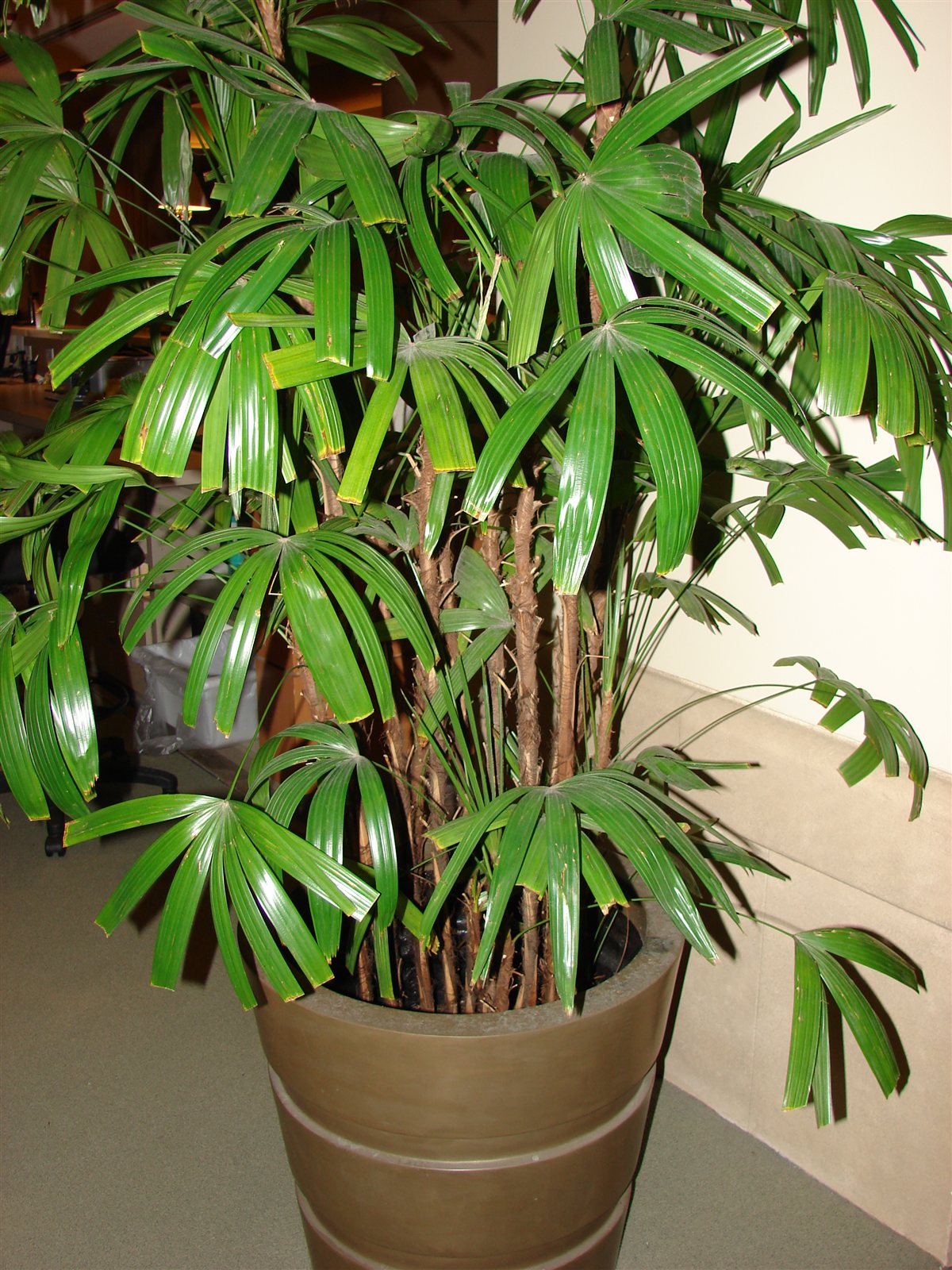
Lady Palm
Rhapis excelsa
Lady Palm, Rhapis excelsa, is classified as non-toxic to cats and dogs within the reconciled ASPCA source-name scope.

Cats
NON-TOXIC
Lady Palm is classified as non-toxic within this exact governed scope.
Dogs
NON-TOXIC
Lady Palm is classified as non-toxic within this exact governed scope.
Quick answer
A correctly identified Lady Palm is not expected to poison a cat or dog, though chewing plant material can still cause nonspecific stomach upset.
Plant identity
Governed scientific identity: Rhapis excelsa
Also called: Fan Tufted Palm
Public taxonomy is Rhapis excelsa. ASPCA source strings Rhapis flabelliformus and Rhapis flabelliformis are evidence metadata only and do not create another canonical palm.
Safety for cats and dogs
The ASPCA-listed source entity is non-toxic; any plant material can still cause nonspecific stomach upset.
If your pet chewed it
Remove access after chewing and monitor for persistent symptoms.
Prevention and placement
Keep fibrous stems, potting media, and fallen frond material out of repeated pet-chewing reach.
Evidence scope
Do not apply this conclusion to other palms solely because they share a common palm name.
Evidence and sources
- ASPCA — Lady PalmClassification for the governed identity or scope.
- Wikimedia Commons — Starr 070727-7723 Rhapis excelsa.jpgImage source, creator, license, and representation provenance.
Practical next steps
Plan around this plant
These guides help with household setup. They do not change this plant’s toxicity conclusion or replace veterinary advice.