
Plant safety record
Kalanchoe
Kalanchoe spp.
Kalanchoe can cause vomiting and diarrhea in cats and dogs, with abnormal heart rhythms reported rarely. Its shared common names can also refer to unrelated plants.
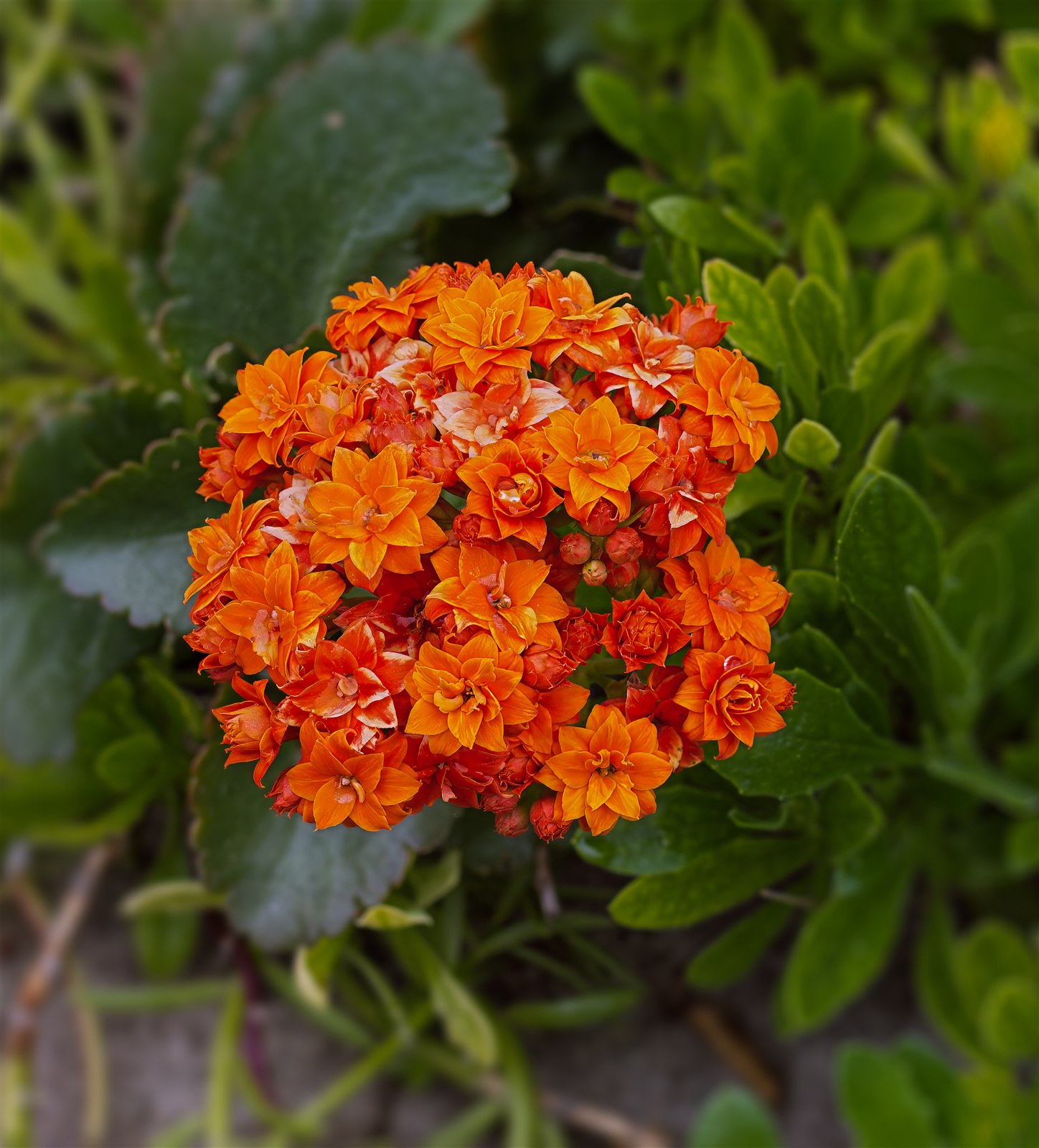
.jpg)
Cats
TOXIC
Kalanchoe should be treated as toxic to cats within this genus-level evidence scope.
Dogs
TOXIC
Kalanchoe should be treated as toxic to dogs within this genus-level evidence scope.
Quick answer
Both cats and dogs are covered by this toxic, genus-level record. Vomiting and diarrhea are listed effects; abnormal heart rhythm has been reported rarely.
Plant identity
Scientific identity: Kalanchoe spp.
Identity level: GENUS
Also called: Mother-In-Law-Plant, Devil’s Backbone, Chandelier Plant, Mother of Millions
Safety for cats and dogs
For cats: Kalanchoe should be treated as toxic to cats within this genus-level evidence scope.
For dogs: Kalanchoe should be treated as toxic to dogs within this genus-level evidence scope.
Supported toxic principle: Bufodienolides
What can happen
Possible signs: vomiting, diarrhea, abnormal heart rhythm reported rarely.
If ingestion is suspected, remove access to the plant and contact a veterinarian or animal poison-control service for case-specific advice.
Identity clarification
Some aliases, particularly Mother-In-Law-Plant and Devil’s Backbone, are also used for unrelated plants. They are not separate routes or universally unambiguous botanical names.