
Plant safety record
Jerusalem Cherry
Solanum pseudocapsicum
ASPCA lists Solanum pseudocapsicum as toxic to cats and dogs. Its bright cherry-like fruit can attract attention, and reported signs include gastrointestinal, neurologic, breathing, and shock concerns.
.jpg)
Cats
TOXIC
ASPCA classifies Solanum pseudocapsicum as toxic to cats. Reported signs include gastrointestinal disturbance, seizures, depression, respiratory depression, and shock.
Dogs
TOXIC
ASPCA classifies Solanum pseudocapsicum as toxic to dogs. Reported signs include gastrointestinal disturbance, seizures, depression, respiratory depression, and shock.
Quick answer
Treat a suspected Jerusalem cherry exposure as a reason for prompt veterinary or animal poison-control advice. Remove access, retain a sample or photo, and report any symptoms.
Seizures, breathing difficulty, collapse, shock signs, or severe weakness require emergency veterinary care. Do not induce vomiting unless directed.
Plant identity
Approved alternate names for this record: Natal Cherry, Winter Cherry, Ornamental Pepper. These names are searchable only within the exact botanical scope described below.
This record is limited to Solanum pseudocapsicum. Jerusalem cherry, Natal cherry, winter cherry, and ornamental pepper are qualified aliases here because several are also used for other plants.
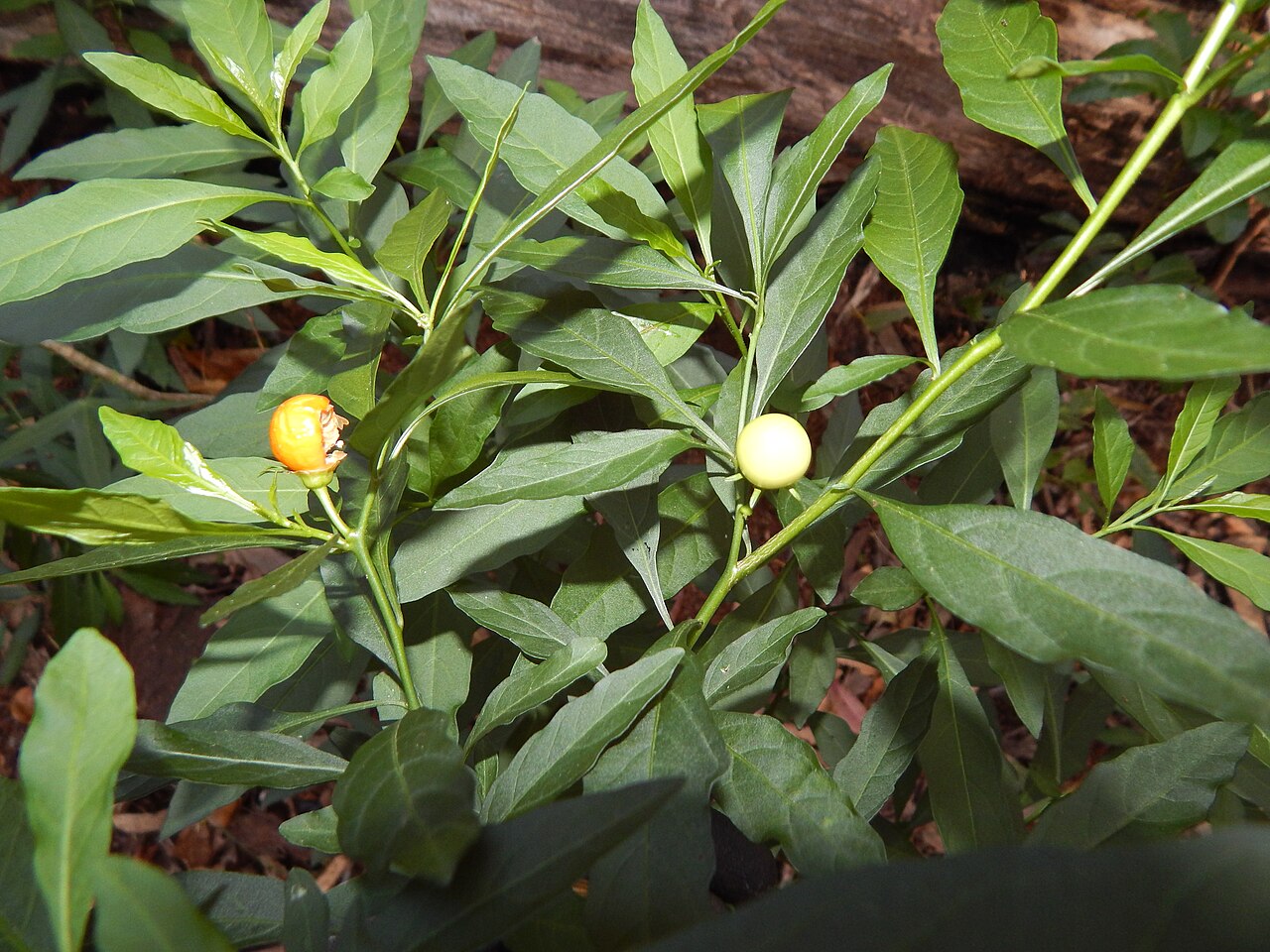
The species is a compact evergreen shrub with small star-shaped pale flowers and glossy orange, red, or yellow berry-like fruit. Kew recognizes Solanum pseudocapsicum as accepted.
Why this plant is a concern
ASPCA identifies solanocapsine and related alkaloids as the toxic principle and lists the same cat and dog concern for this exact species. The classification is not inferred from the broader nightshade genus.
Reported signs include gastrointestinal disturbances, possible gastrointestinal ulceration, seizures, depression, respiratory depression, and shock. An individual case requires professional assessment.
If your pet chewed it
Prevent further access, collect a sample or clear image, and contact a veterinarian or animal poison-control service promptly. Be ready to report the plant name, amount, time, animal weight, and current signs.
Do not induce vomiting or give food, milk, oil, salt, or another remedy unless instructed. Go to emergency veterinary care for seizures, breathing changes, collapse, severe weakness, or shock signs.
How to recognize Jerusalem Cherry
Jerusalem cherry has dark green simple leaves, small white star-shaped flowers, and smooth berry-like fruit that changes from green to yellow, orange, or red.
The fruit resembles edible produce but is not edible. A scientific label is especially important because Physalis and other plants may share one of the common names.
Care and placement
NC State Extension describes a houseplant that prefers full sun and moist, well-drained loam. Indoor plants may need hand pollination to set their ornamental winter fruit.
Keep the entire plant, fallen berries, and pruning waste out of reach of pets and children. Its compact size does not make an accessible windowsill or low table a safe placement.
Evidence and sources
- Royal Botanic Gardens, Kew — Plants of the World Online — Solanum pseudocapsicum L.Kew marks Solanum pseudocapsicum as an accepted species.
- ASPCA Animal Poison Control — Jerusalem CherryExact-species ASPCA record; solanine is listed as the toxic principle and the recorded symptoms are retained without expansion.
- NC State Extension — Jerusalem Cherry — Solanum pseudocapsicumInstitutional horticultural source used for the care and approved discovery-trait statements.