
Plant safety record
Japanese Aralia
Fatsia japonica
ASPCA lists Fatsia japonica, the Japanese aralia covered by this record, as non-toxic to cats and dogs. Correct identification still matters because aralia is used in common names for unrelated plants.

Cats
NON-TOXIC
ASPCA classifies Fatsia japonica as non-toxic to cats. Large leaves can still be tempting to chew, and any plant material may upset a sensitive stomach.
Dogs
NON-TOXIC
ASPCA classifies Fatsia japonica as non-toxic to dogs. Soil amendments and pest treatments are not covered by that plant classification.
Quick answer
A small chew from a correctly identified Fatsia japonica is not expected to cause characteristic plant poisoning. Remove access and observe your pet for persistent digestive upset.
Contact a veterinarian if signs continue, a large amount was eaten, or the label does not confirm Fatsia japonica.
Plant identity
Approved alternate names for this record: Formosa rice tree, Glossy-leaved paper plant, Big-leaf paper plant. These names are searchable only within the exact botanical scope described below.
This page covers Fatsia japonica, not every plant sold with aralia in its common name. The aliases retained here are tied to that exact species in the governed evidence.
The plant is a broadleaf evergreen shrub with large, glossy, palmately lobed leaves. Kew recognizes Fatsia japonica as the accepted species identity.
What non-toxic means
The non-toxic conclusion applies independently to cats and dogs because ASPCA names both animals for Fatsia japonica. It does not establish safety for unrelated aralias.
Non-toxic plants are not pet food. Repeated chewing can damage the plant and may cause nonspecific vomiting or loose stool.
If your pet chewed it
Remove broken leaf pieces and check the mouth for plant material. Do not induce vomiting or give milk, oil, salt, or another home remedy.
Monitor comfort, appetite, and digestion. Call a veterinarian for repeated symptoms, choking concerns, or uncertainty about which plant was chewed.
How to recognize Japanese Aralia
Japanese aralia has large, leathery leaves divided into seven to eleven broad lobes. Leaves cluster on long stalks and create a coarse, rounded tropical-looking canopy.
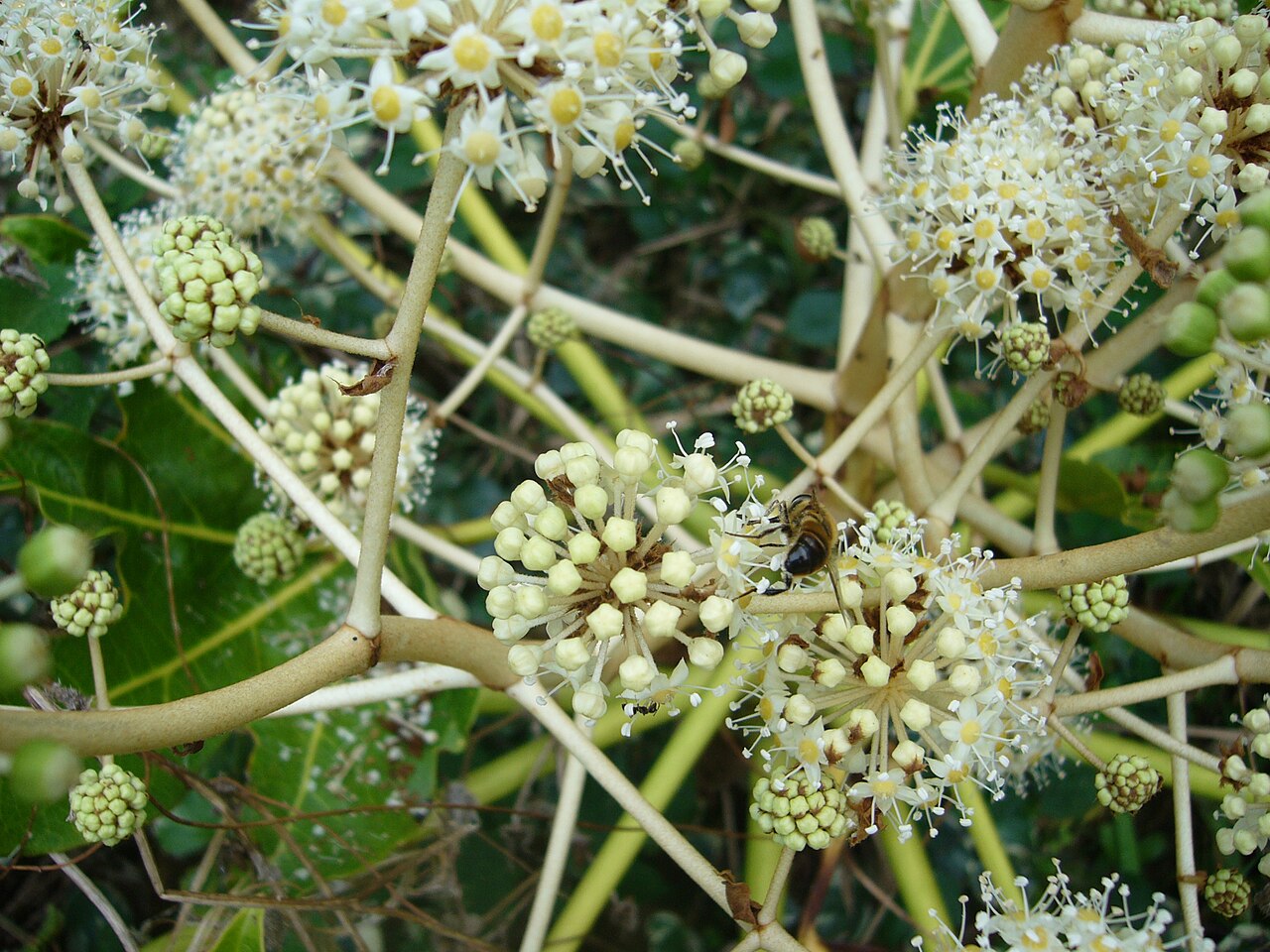
Mature outdoor plants can produce rounded clusters of small pale flowers followed by dark fruit. A scientific label is the best way to separate it from unrelated plants called aralia.
Care and placement
NC State Extension describes Fatsia japonica as a shade-preferring shrub that can also be grown as a houseplant. Use a humus-rich, well-drained medium and water so it stays moist without remaining saturated.
Its mature scale can be substantial, so allow floor space and room for the broad leaves. Watch indoor plants for aphids, mealybugs, spider mites, scale, and thrips, especially when growth is stressed.
Evidence and sources
- Royal Botanic Gardens, Kew — Plants of the World Online — Fatsia japonica (Thunb.) Decne. & Planch.Kew marks Fatsia japonica as an accepted species.
- ASPCA Animal Poison Control — Japanese AraliaExact-species ASPCA record covering cats and dogs.
- NC State Extension — Fatsia — Fatsia japonicaInstitutional horticultural source used for the care and approved discovery-trait statements.