
Plant safety record
Hydrangea
Hydrangea arborescens
Hydrangeas are toxic to cats and dogs because they contain cyanogenic glycosides. Vomiting, diarrhea, and depression or lethargy are the usual concerns. Severe cyanide poisoning is possible in theory but is reported as rare in typical pet exposures.

Cats
TOXIC
Cats may develop vomiting, diarrhea, reduced appetite, or unusual quietness after chewing hydrangea leaves or flowers.
Dogs
TOXIC
Dogs may develop vomiting, diarrhea, depression, or abdominal discomfort after eating hydrangea plant material.
Quick answer
If your cat or dog ate hydrangea leaves, flowers, stems, or buds, remove access and call your veterinarian. Save a sample or take photographs of the plant.
Do not make your pet vomit or give food, milk, oil, charcoal, or another home remedy unless a veterinary professional specifically directs you.
Plant identity
Hydrangea species
Expected signs
Vomiting, diarrhea, and depression or lethargy are the main signs listed for hydrangea exposure. A pet may also lose interest in food or seem uncomfortable.
Repeated vomiting, substantial diarrhea, inability to keep water down, marked weakness, collapse, or breathing difficulty requires prompt veterinary care.
What cyanogenic glycoside means
Hydrangeas contain compounds that can release cyanide when plant tissue is damaged and digested. That toxic principle sounds alarming, but ASPCA notes that true cyanide intoxication is rare.
Most pet cases produce gastrointestinal disturbance instead. The rarity of severe poisoning is not a reason to ignore a known ingestion.
What to tell the veterinary team
Report which plant parts were eaten, how much may be missing, and when the exposure occurred. Flowers, leaves, stems, and buds should all be mentioned.
Share the nursery label or photographs and report every symptom, including when each one began.
How to recognize hydrangeas
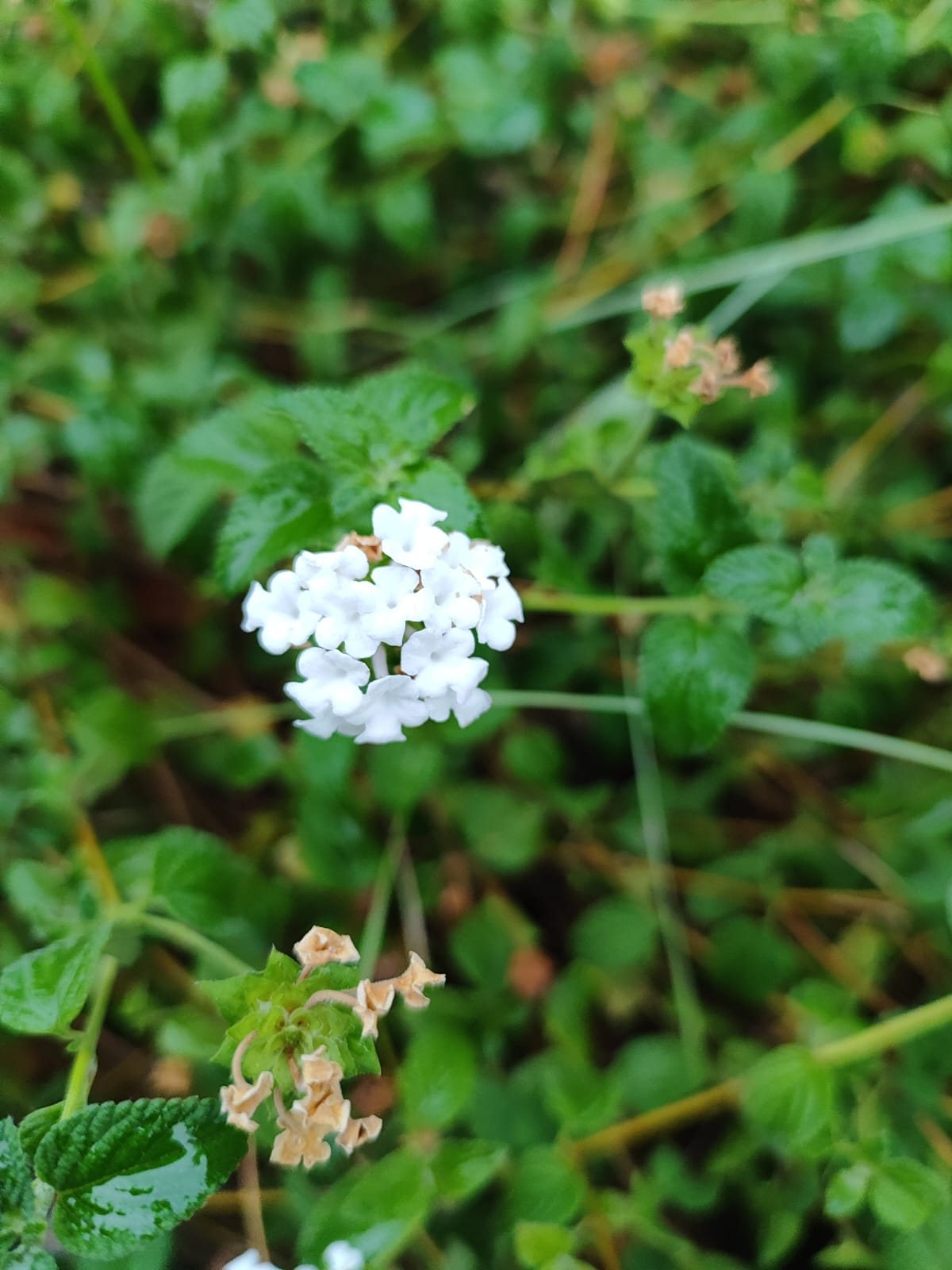
Hydrangeas are woody shrubs or climbing plants with opposite leaves and clusters of many small flowers. Garden forms may have rounded mophead clusters, flatter lacecap clusters, cones, or looser blooms.
Flower color can be white, pink, blue, purple, or green depending on species, cultivar, and growing conditions. Color alone is not an identification method.
The page covers a broad genus
Common landscape hydrangeas include smooth, bigleaf, panicle, oakleaf, mountain, and climbing types. They do not all look identical.
The ASPCA listing specifically names Hydrangea arborescens, while PawPlants keeps the broader common-name warning visible because many garden plants are sold simply as hydrangea.
Cut flowers and dried arrangements
Cut hydrangea flowers and stems remain plant material. Keep bouquets, dropped petals, and vase water away from pets.
Dried wreaths or arrangements may also contain preserved or treated plant material. Save the product label if an exposure occurs.
Garden safety
Collect pruning debris and fallen flower heads before pets can chew them. Block access to newly trimmed shrubs until loose plant pieces are removed.
Bag clippings before disposal and keep fertilizers or pest-control products separate from the plant-toxicity question.
Evidence and sources
- ASPCA — HydrangeaHydrangea arborescens is toxic to cats and dogs because of cyanogenic glycosides; vomiting, depression, and diarrhea are the usual signs, while cyanide poisoning is rare.
- NC State Extension — HydrangeaHydrangea is a broad genus containing multiple common landscape species with large flower clusters and opposite leaves.