
Plant safety record
Hyacinth
Hyacinthus orientalis
ASPCA lists Hyacinthus orientalis as toxic to cats and dogs. The bulbs contain the greatest concentration of the toxic alkaloids, while contact with plant material may also trigger dermatitis in sensitive animals or people.
Cats
TOXIC
ASPCA classifies Hyacinthus orientalis as toxic to cats. Reported signs include vomiting, diarrhea, and dermatitis or allergic reactions; bulbs contain the highest toxin concentration.
Dogs
TOXIC
ASPCA classifies Hyacinthus orientalis as toxic to dogs. Reported signs include vomiting, diarrhea, and dermatitis or allergic reactions; bulbs contain the highest toxin concentration.
Quick answer
Remove access to a chewed hyacinth and contact a veterinarian or animal poison-control service, especially when a bulb may have been eaten.
Do not induce vomiting or give a home remedy unless a veterinary professional directs it.
Plant identity
Approved alternate names for this record: Garden Hyacinth. These names are searchable only within the exact botanical scope described below.
This record is limited to Hyacinthus orientalis, the garden hyacinth. The conclusion does not extend to unrelated plants sold under other hyacinth names.
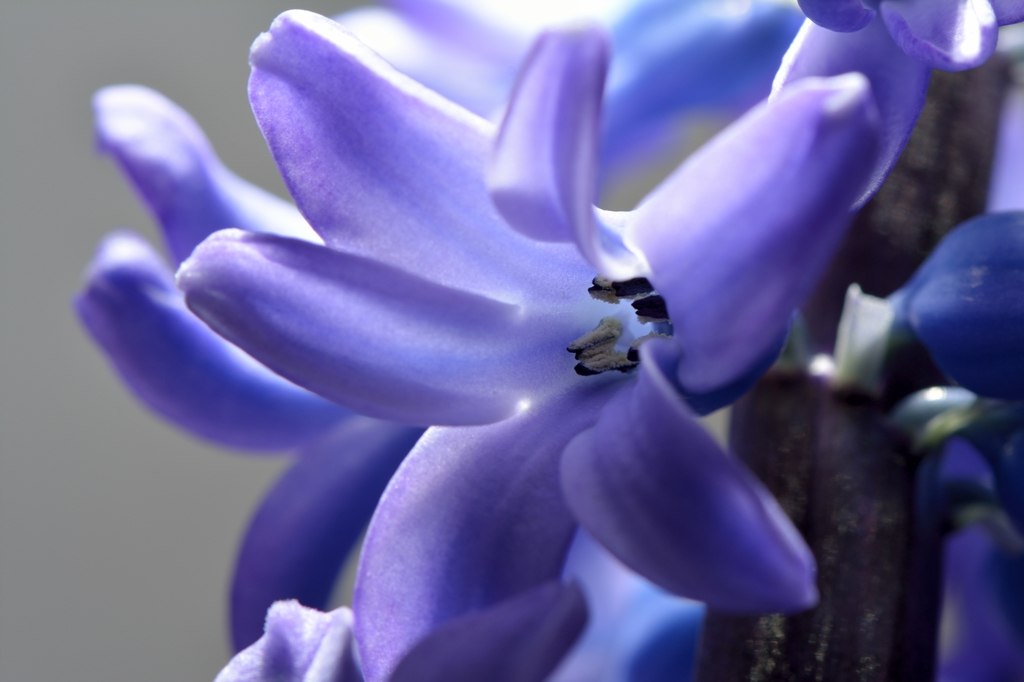
Hyacinthus orientalis is a bulbous flowering perennial with fleshy basal leaves and a dense, fragrant spike of tubular flowers. Kew recognizes the scientific name as an accepted species.
Why this plant is a concern
ASPCA identifies Narcissus-like alkaloids as the toxic principle and lists the exact species as toxic to cats and dogs. The bulb is the highest-risk plant part.
Severity depends on the amount, plant part, animal, and circumstances. A page cannot diagnose an individual exposure.
If your pet chewed it
Prevent further chewing, retain the label or a clear photo, and note whether a bulb or above-ground growth was involved. Contact a veterinarian or animal poison-control service for case-specific advice.
Seek prompt care for repeated vomiting or diarrhea, marked drooling, weakness, facial swelling, breathing changes, or a known bulb ingestion.
How to recognize Hyacinth
Hyacinth grows from a rounded bulb and produces a compact rosette of thick, linear green leaves. A single upright stalk carries many waxy, strongly scented flowers.
Forced bulbs are often sold in decorative pots for winter bloom. Confirm the Hyacinthus orientalis label rather than relying on flower color or the word hyacinth alone.
Care and placement
NC State Extension describes full sun to partial shade, medium moisture, and organically rich, well-drained soil. Poor drainage can cause bulb rot.
This is a seasonal forced-flowering plant indoors, not a conventional permanent houseplant. After bloom the bulb naturally moves toward dormancy, and long-term indoor growth is not recommended.
Evidence and sources
- Royal Botanic Gardens, Kew — Plants of the World Online — Hyacinthus orientalisKew taxon 536789-1 marks Hyacinthus orientalis as an accepted species.
- ASPCA Animal Poison Control — Garden HyacinthExact-species ASPCA record. Narcissus-like alkaloids are identified as the toxic principle; bulbs contain the highest amount of toxin. Signs are retained without transfer to unrelated plants sold as hyacinths.
- NC State Extension — Hyacinthus orientalisInstitutional horticultural source used for the care and approved discovery-trait statements.