Plant safety record
Geranium-Leaf Aralia
Polyscias guilfoylei
ASPCA lists Polyscias guilfoylei as toxic to cats and dogs. Saponin is the cited toxic principle, with contact dermatitis, vomiting, poor appetite, and depression among reported signs.
Cats
TOXIC
ASPCA classifies Polyscias guilfoylei as toxic to cats and reports contact dermatitis, vomiting, anorexia, and depression.
Dogs
TOXIC
ASPCA classifies Polyscias guilfoylei as toxic to dogs and reports contact dermatitis, vomiting, anorexia, and depression.
Quick answer
Remove access to a chewed geranium-leaf aralia and contact a veterinarian or animal poison-control service for case-specific advice.
Do not induce vomiting or give a home remedy unless a veterinary professional directs it.
Plant identity
This page is limited to Polyscias guilfoylei. Bare aralia, wild coffee, and coffee tree are not used as search aliases because those names can identify unrelated plants.
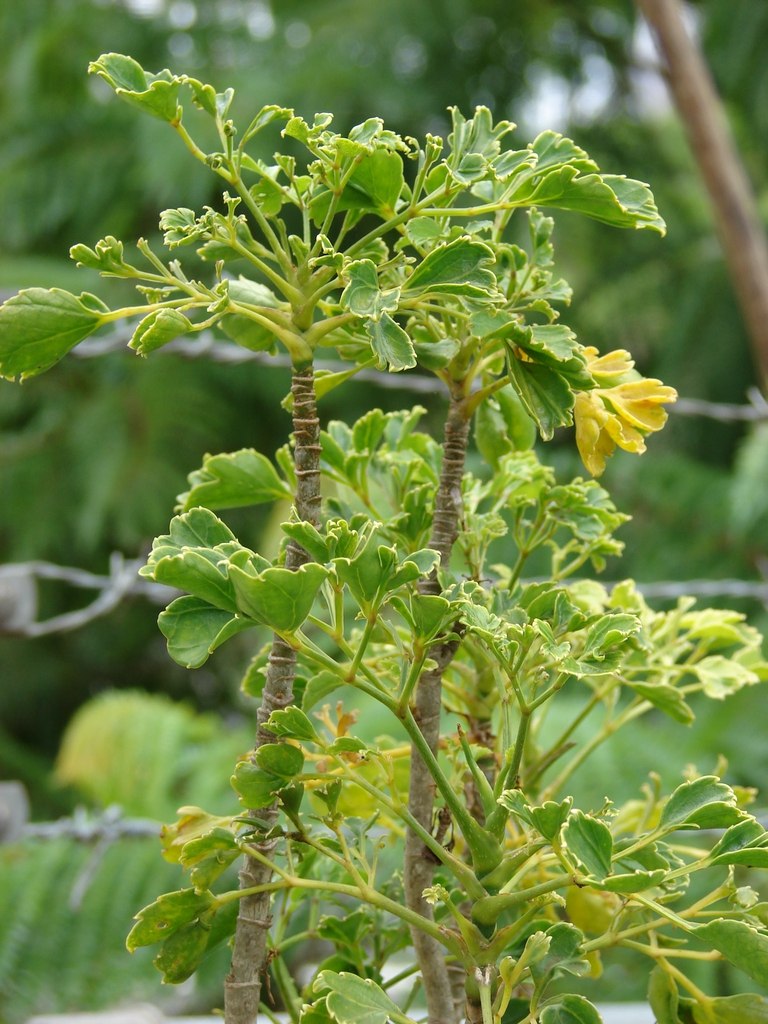
Geranium-leaf aralia is a slow-growing upright tropical shrub with woody stems and compound, often variegated leaves. Kew recognizes Polyscias guilfoylei as accepted.
Why this plant is a concern
ASPCA's exact-species record identifies saponin as the toxic principle and supports the cat and dog classifications on this page.
The identity qualification prevents broad aralia or coffee-tree terminology from carrying this conclusion to another plant.
If your pet chewed it
Move the plant, retain a label or photo, wash sap from exposed skin with plain water, and contact a veterinarian or animal poison-control service.
Seek prompt care for repeated vomiting, refusal to eat, marked tiredness, widespread skin irritation, or any worsening signs.
How to recognize Geranium-Leaf Aralia
Polyscias guilfoylei grows upright on woody stems and bears compound leaves with seven to nine toothed leaflets. Foliage may be green or edged with white or yellow.
It rarely flowers indoors. The exact scientific label distinguishes it from unrelated plants called aralia or coffee tree.
Care and placement
NC State Extension recommends bright indirect light, with some morning sun tolerated, and moist, well-drained acidic potting soil. Allow the mix to dry partly before watering deeply.
Without pruning it can reach six to eight feet. Slow growth and pruning make size control possible, but it remains a floor-scale shrub.
Evidence and sources
- Royal Botanic Gardens, Kew — Plants of the World Online — Polyscias guilfoyleiKew marks Polyscias guilfoylei as an accepted species.
- ASPCA Animal Poison Control — Geranium-Leaf AraliaExact-species ASPCA record. Saponin is identified as the toxic principle. Wild Coffee and Coffee Tree remain qualified source terms and are not candidate search aliases.
- NC State Extension — Polyscias guilfoyleiInstitutional horticultural source used for the care and approved discovery-trait statements.