
Plant safety record
Eucalyptus
Eucalyptus spp.
Eucalyptus is toxic to cats and dogs. Eating leaves may cause drooling, vomiting, diarrhea, depression, or weakness. Concentrated eucalyptus essential oil presents a different and potentially much more serious exposure, including through the skin.

Cats
TOXIC
Cats may develop drooling, vomiting, diarrhea, weakness, or depression. Concentrated eucalyptus oil can cause severe neurologic illness and should never be applied directly.
Dogs
TOXIC
Dogs may develop drooling, vomiting, diarrhea, weakness, or depression. Concentrated oil exposure by mouth or skin requires prompt veterinary guidance.
Quick answer
If your pet ate eucalyptus leaves, remove access and call your veterinarian. If concentrated eucalyptus oil was swallowed, spilled on the coat, or applied to the skin, treat it as a higher-risk exposure and call immediately.
Do not make your pet vomit, apply another oil, or use a home remedy unless a veterinary professional specifically directs you.
Plant identity
Eucalyptus species
Signs after plant exposure
Listed signs from eucalyptus exposure include drooling, vomiting, diarrhea, depression, and weakness. A pet may appear unusually quiet or unsteady.
Repeated vomiting, tremors, marked weakness, abnormal breathing, collapse, or other neurologic changes requires urgent veterinary care.
Leaves are not the same as concentrated oil
A few leaves and a concentrated essential-oil product do not deliver the same exposure. Pet Poison Helpline describes small leaf or low-concentration oil ingestions as capable of causing nausea, while highly concentrated oil can cause severe signs.
Do not use that distinction to dismiss a leaf exposure. It is a reason to tell the veterinary team exactly which product or plant material was involved.
Oil on skin, fur, or in a diffuser
Essential oils can be absorbed through the skin and lungs as well as swallowed. Cats are especially vulnerable to many essential oils and may ingest oil while grooming.
Move the pet away from the source and prevent licking. Call before bathing or applying anything else so the veterinary professional can account for the product concentration and symptoms.
What to tell the veterinary team
Explain whether the exposure involved fresh leaves, dried decorative stems, an essential-oil bottle, a topical product, a cleaner, or a diffuser.
Provide the product label and concentration when available. Report when the exposure occurred, how much may be missing, and every symptom observed.
How to recognize eucalyptus
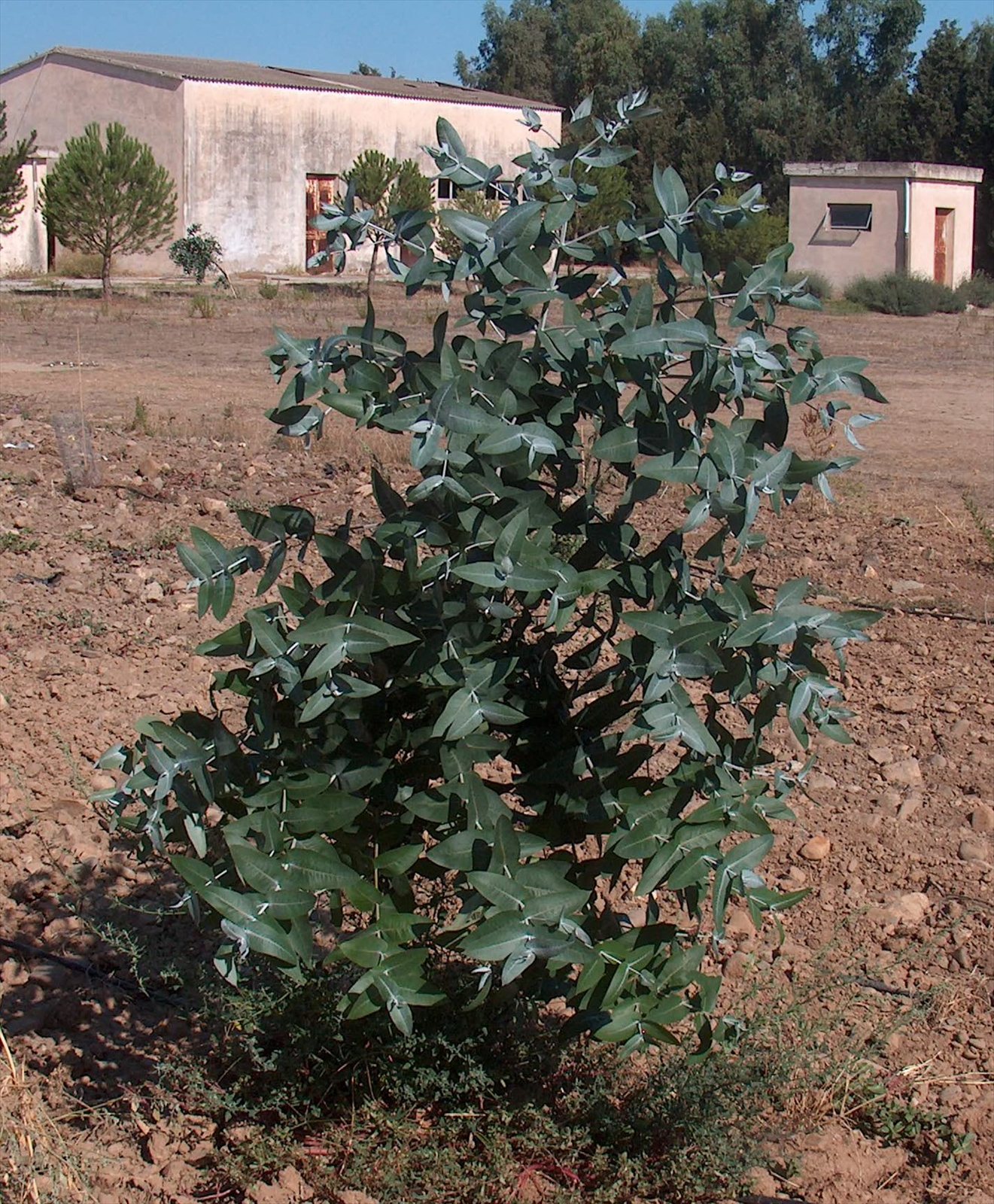
Eucalyptus includes many trees and shrubs. A common ornamental type has rounded or oval blue-gray juvenile leaves arranged in pairs, with older growth becoming more elongated.
Leaves and stems may have a strong characteristic scent when damaged. Bark may peel or become fibrous depending on the species.
Dried stems and decorative products
Dried eucalyptus still contains plant material and may be treated with fragrance or preservation products. Keep wreaths, bouquets, and fallen leaves away from pets.
A scented product labeled eucalyptus may contain concentrated oil rather than plant tissue. Preserve the packaging for identification.
Preventing exposure
Do not apply concentrated eucalyptus oil directly to a cat or dog. Store bottles and diffuser liquids in closed cabinets and clean spills before allowing pets into the area.
Place living or dried eucalyptus where leaves cannot fall into pet bedding, food, or water.
Evidence and sources
- ASPCA — EucalyptusEucalyptus species are toxic to cats and dogs; eucalyptol exposure may cause salivation, vomiting, diarrhea, depression, and weakness.
- Pet Poison Helpline — EucalyptusA few leaves or low-concentration oil may cause nausea, while highly concentrated essential-oil exposure by mouth or skin can cause severe neurologic effects and rarely kidney impairment.
- Pet Poison Helpline — Updates on Essential OilsEssential oils can be absorbed through the stomach, skin, and lungs; risk rises with concentration, and concentrated oils should not be applied directly to cats or dogs.
- NC State Extension — Eucalyptus cinereaA familiar ornamental eucalyptus may have blue-gray juvenile leaves, peeling bark, and aromatic oil-containing tissues.