
Plant safety record
Easter Cattleya
Cattleya mossiae
ASPCA lists Cattleya mossiae as non-toxic to cats and dogs. This exact-species conclusion remains separate from the existing PawPlants Orchid record for a Phalaenopsis identity.
Cats
NON-TOXIC
ASPCA classifies Cattleya mossiae as non-toxic to cats. Potting media, fertilizer, and pest treatments remain separate exposure concerns.
Dogs
NON-TOXIC
ASPCA classifies Cattleya mossiae as non-toxic to dogs. Potting media, fertilizer, and pest treatments remain separate exposure concerns.
Quick answer
A small chew from correctly identified Cattleya mossiae is not expected to cause characteristic plant poisoning. Remove access and monitor for persistent digestive signs.
Contact a veterinarian if symptoms persist, a large amount was eaten, or the orchid identity is uncertain.
Plant identity
Approved alternate names for this record: Easter Orchid. These names are searchable only within the exact botanical scope described below.
This record is limited to Cattleya mossiae, also called Easter Orchid. It does not merge with PawPlants' broader Orchid page, which represents a different botanical identity.
Cattleya mossiae is a tropical epiphytic orchid with one thick leaf per pseudobulb and large, showy spring flowers. Kew recognizes the species as accepted.
What non-toxic means
ASPCA's exact-species record supports non-toxic classifications for cats and dogs. Orchid as a group name is not used to transfer this conclusion to another species.
Non-toxic does not mean edible, and chewing may still produce nonspecific digestive upset or damage the plant.
If your pet chewed it
Remove loose plant material and move the orchid out of reach. Do not induce vomiting or use a home remedy unless a veterinary professional recommends it.
Watch for persistent vomiting, diarrhea, coughing, trouble swallowing, or signs that potting media or a treatment product was involved.
How to recognize Easter Cattleya
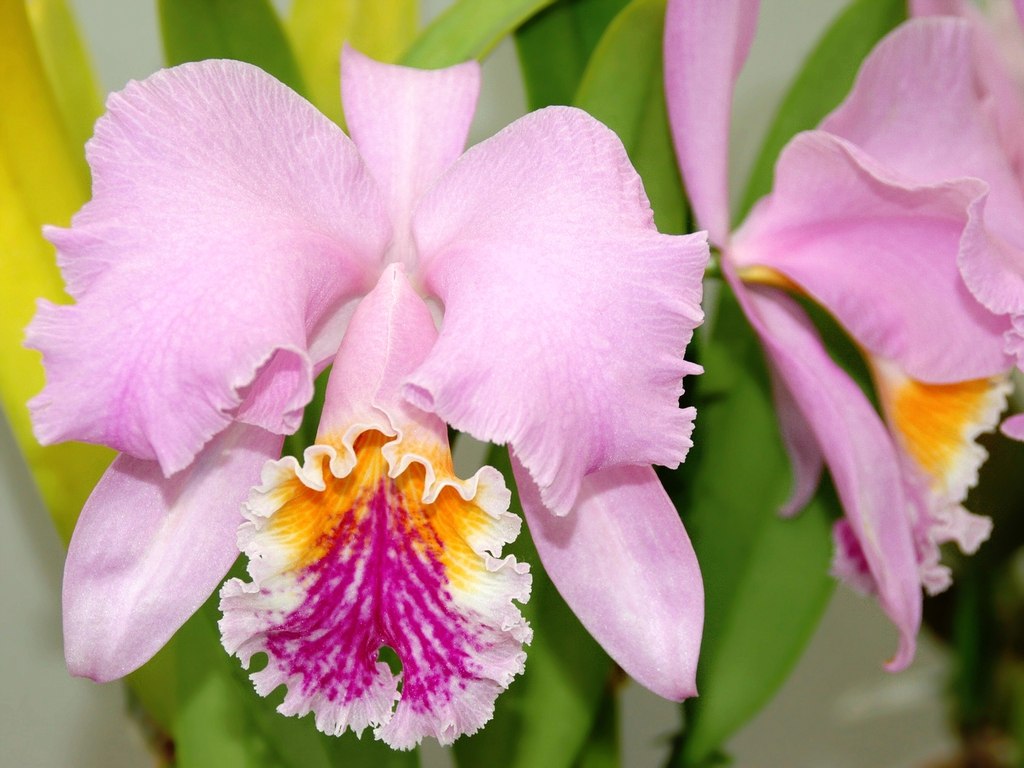
Easter cattleya produces a single leathery leaf from each pseudobulb. Mature growths carry large, ruffled flowers, often lavender-pink with a prominent patterned lip.
Confirm Cattleya mossiae on the label because Easter Orchid and orchid are not unique species identifiers.
Care and placement
NC State Extension identifies it as a slow-growing epiphytic houseplant for partial shade and a moist but freely draining, airy medium.
Its mature height is roughly three inches to two feet. Cattleya-type culture includes a rest after growth, and hanging-basket use is supported.
Evidence and sources
- Royal Botanic Gardens, Kew — Plants of the World Online — Cattleya mossiaeKew marks Cattleya mossiae as an accepted species.
- ASPCA Animal Poison Control — Easter CattleyaExact-species ASPCA record covering cats and dogs; the supported Easter Orchid name does not merge this species with other orchid records.
- NC State Extension — Cattleya mossiaeInstitutional horticultural source used for the care and approved discovery-trait statements.