
Plant safety record
Aluminum Plant
Pilea cadierei
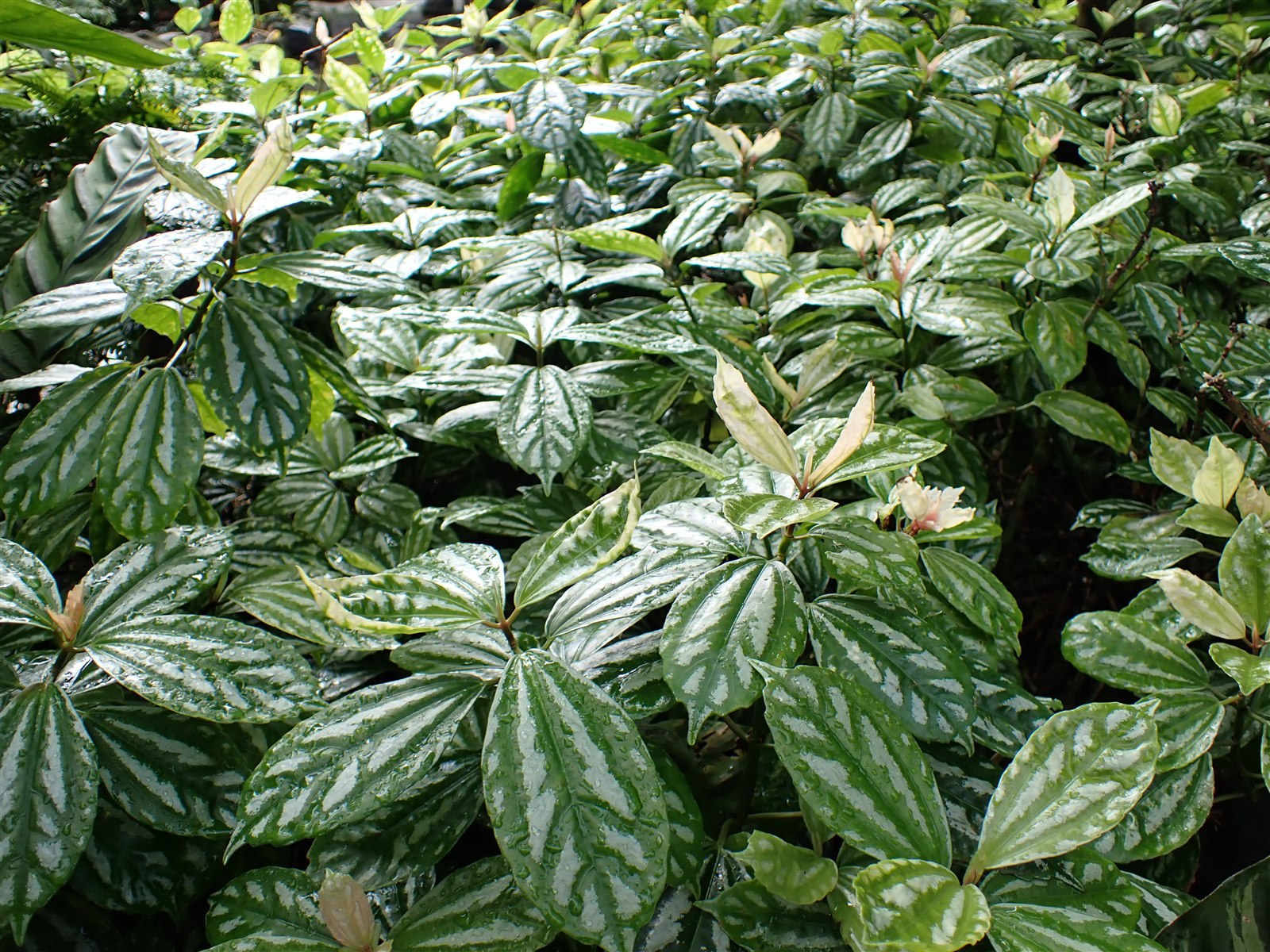
This record covers Pilea cadierei, the Aluminum Plant also called Watermelon Plant or Watermelon Pilea. Its cat and dog classifications are non-toxic for this species; Pilea cadieri is retained only as source spelling metadata, not a second governed plant.

Cats
NON-TOXIC
The ASPCA evidence used for this record lists Pilea cadierei as non-toxic to cats. That conclusion is bound to the species identified here.
Dogs
NON-TOXIC
The ASPCA evidence used for this record lists Pilea cadierei as non-toxic to dogs. That conclusion is bound to the species identified here.
Quick answer
Pilea cadierei is listed as non-toxic for both cats and dogs in the evidence used here. Non-toxic is not an edible-plant guarantee; identity uncertainty or persistent symptoms still warrant veterinary guidance.
Plant identity
Scientific identity: Pilea cadierei
Also called: Watermelon Plant, Watermelon Pilea
The spelling Pilea cadieri appears in the ASPCA source metadata. PawPlants retains Pilea cadierei as the governed identity, so the two spellings do not create two plant records.
Safety for cats and dogs
For cats and dogs: Aluminum Plant is listed as non-toxic within the governed species identity on this page.
Non-toxic does not mean edible or guaranteed symptom-free. Chewing plant material can still cause nonspecific stomach upset, and fertilizer, pesticide, mold, decorative materials, or potting media are separate exposure concerns.
What can happen
If a pet has persistent symptoms or a concerning exposure, contact a veterinarian or animal poison-control service for case-specific advice.
Identity clarification
The classification on this page applies to Pilea cadierei. A shared store label or a similar-looking Pilea should not be treated as this record without confirming the identity.
Sources
Practical next steps
Plan around this plant
These guides help with household setup. They do not change this plant’s toxicity conclusion or replace veterinary advice.