
Plant safety record
Aloe Vera
Aloe vera
The aloe vera plant is toxic to cats and dogs. The main concern comes from compounds in the whole leaf and yellow latex layer rather than the clear inner gel. Chewing may cause vomiting, diarrhea, lethargy, and sometimes a change in urine color.

Cats
TOXIC
Cats may develop vomiting, diarrhea, lethargy, or a change in urine color after chewing the whole leaf or ingesting aloe latex.
Dogs
TOXIC
Dogs may develop vomiting, diarrhea, lethargy, or red-tinged urine after eating aloe plant material.
Quick answer
If your pet chewed an aloe vera plant, remove access and call your veterinarian. Report whether a leaf was bitten, torn open, or swallowed.
Do not make your pet vomit or give food, milk, oil, charcoal, or another home remedy unless a veterinary professional specifically directs you.
Plant identity
Aloe vera (also listed as Aloe barbadensis)
Whole leaf versus inner gel
ASPCA lists the plant as toxic because of saponins, anthraquinones, and related compounds. The clear inner gel is described separately as edible.
That distinction does not make a chewed houseplant leaf safe. A pet biting through the leaf can contact the outer tissues and yellow latex layer as well as the gel.
Signs to watch for
Vomiting, diarrhea, and lethargy are common listed signs. Some references also report a red change in urine color.
Repeated vomiting, substantial diarrhea, inability to keep water down, marked weakness, collapse, or unusual urine color deserves prompt veterinary attention.
What to do right now
Move the plant and collect any loose leaf pieces. Save the label or take photographs of the whole plant and the damaged leaf.
Contact your veterinarian or an animal poison-control service when plant material was swallowed, the amount is uncertain, or symptoms have started.
How to recognize aloe vera
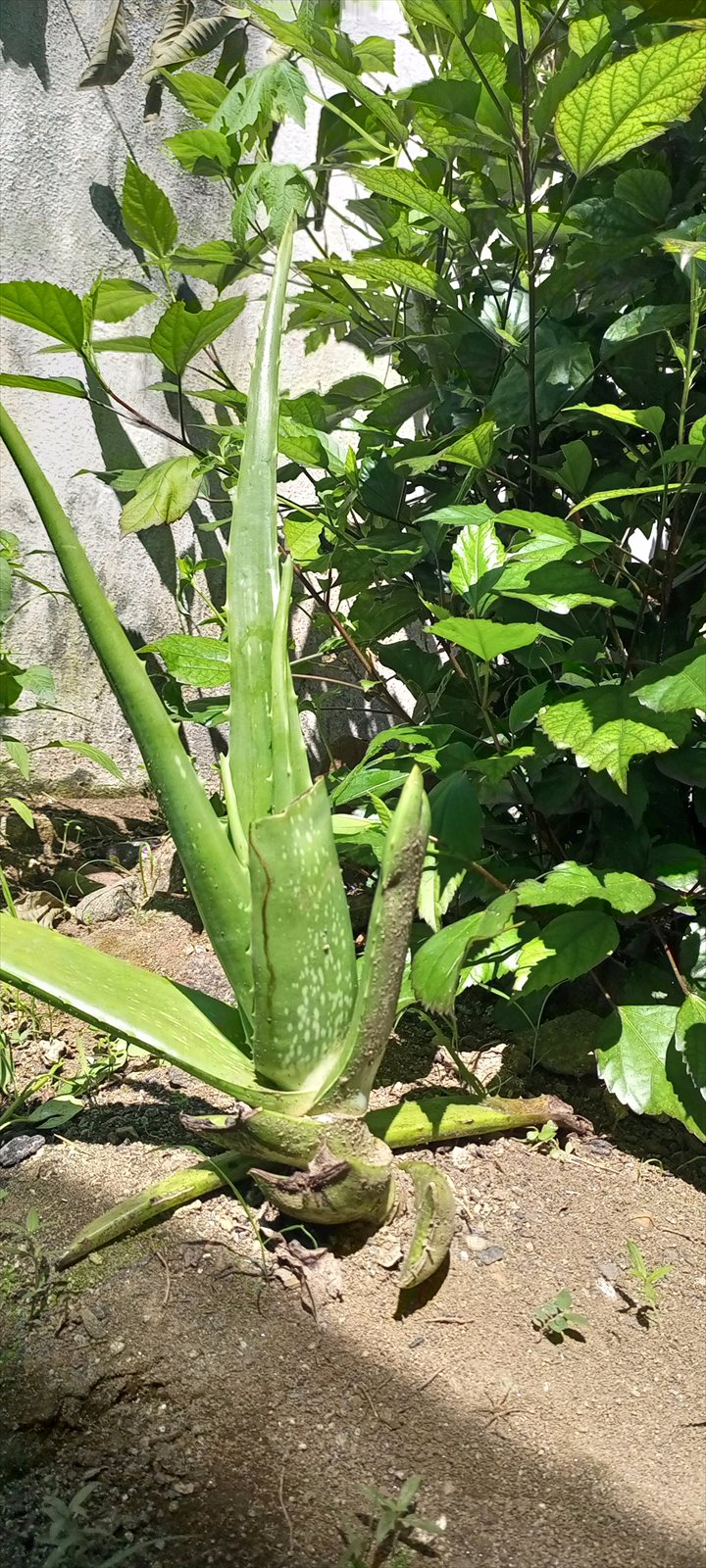
Aloe vera forms a rosette of thick, fleshy, pointed leaves. The leaf margins have small teeth, and a mature plant may produce offsets around the base.
Broken leaves release clear gel and may also show a yellowish bitter latex near the outer rind. Many other Aloe species look similar.
Processed aloe products are a separate question
A bottled gel, cosmetic, drink, supplement, or topical product may be processed differently from a living leaf and may contain other ingredients.
Do not apply the houseplant classification to every aloe-labeled product. For a product exposure, preserve the label and ingredient list for the veterinary team.
Not every aloe species has the same listing
ASPCA lists some Aloe species separately, including examples described as non-toxic. That makes plant identity important when a succulent is merely labeled aloe.
This page applies to Aloe vera and the true-aloe or Barbados-aloe identity supported by the sources.
Preventing another exposure
Keep the pot away from sunny windowsills or shelves that pets use. Remove damaged leaves promptly so gel and latex do not remain where they can be licked.
Store aloe-based personal-care products separately and clean spills before pets enter the area.
Evidence and sources
- ASPCA — AloeAloe vera is toxic to cats and dogs because of saponins and anthraquinones; signs include vomiting, lethargy, and diarrhea, while the inner gel is considered edible.
- ASPCA — True AloeTrue aloe exposure may cause vomiting and red urine because of anthraquinones and related glycosides.